The diplomatic narrative of the Iran ceasefire is US-Iran-Israel-Gulf states. The economic beneficiaries who are least in the narrative but most affected are India, Japan, South Korea, and China — the four largest oil-importing nations in Asia, all of which depend heavily on Gulf crude and LNG. Five months of Hormuz disruption cost these four countries hundreds of billions of dollars in elevated energy costs, supply chain disruption, and economic growth foregone. The deal is their relief as much as America’s.
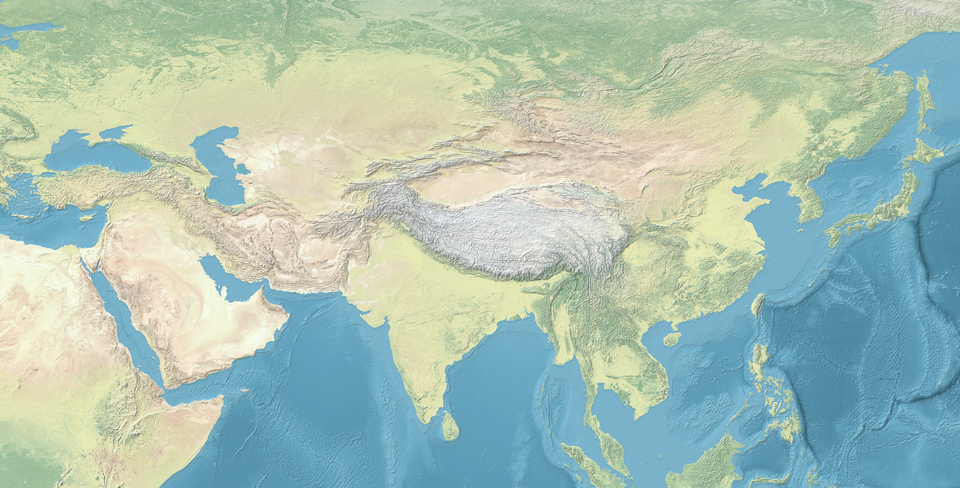
WHAT EACH COUNTRY GAINS
| COUNTRY | SPECIFIC HORMUZ DEAL BENEFIT |
| India — #3 oil importer globally | Saves ~$2B/month in elevated energy import costs; LPG imports from Gulf resume; inflation pressure reduces |
| Japan — #4 oil importer globally | Saudi and UAE crude critical for refinery operations; Qatari LNG critical for electricity; massive supply relief |
| South Korea — #5 oil importer globally | Petrochemical and refinery sector; VLCC contracts resume; estimated $1.5B+/month in savings |
| China — #1 oil importer globally | Already negotiated partial access during conflict; full reopening reduces risk premium significantly; $3B+/month savings |
Combined, these four countries were spending an estimated $8-10 billion per month more than pre-war on energy imports due to the Hormuz disruption — primarily in elevated spot prices, insurance costs, and Cape of Good Hope rerouting expenses. The reopening eliminates most of this premium over 2-4 weeks.
WHY THIS MATTERS FOR US DIPLOMACY
India, Japan, South Korea, and China all have significant leverage over their trading partners and over multilateral institutions. Their collective relief at the deal creates a durable constituency for its continuation — these countries’ governments will be active in pressuring both the US and Iran to keep the deal alive, because the economic cost of its failure is enormous and direct for their populations.
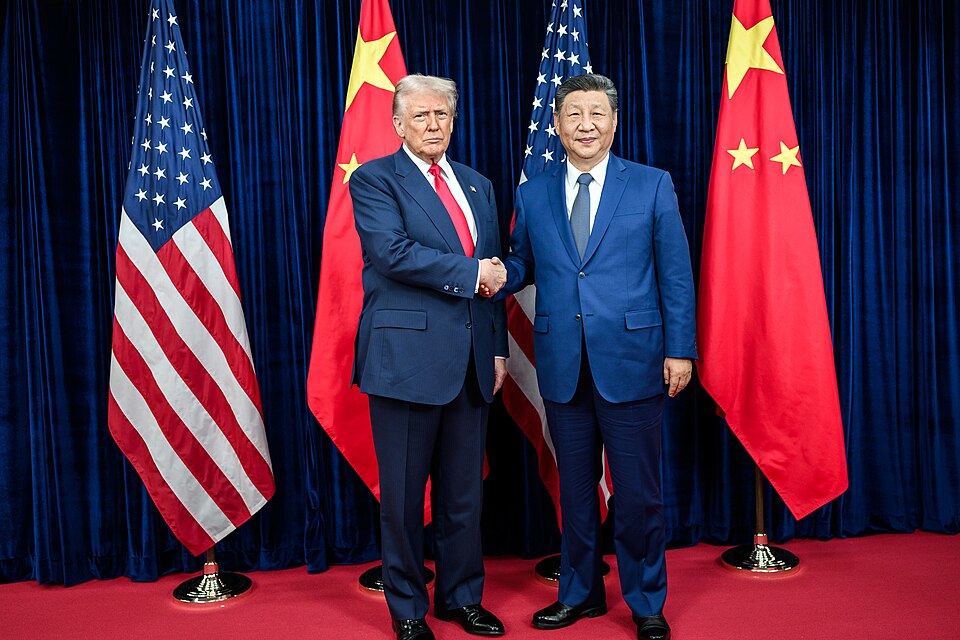
China’s specific role is worth noting: Xi Jinping applied diplomatic pressure on Iran that contributed to the deal’s timing. Beijing benefits most from the deal and has the most direct leverage over Tehran. This creates a dynamic in which China — officially a US adversary — is simultaneously one of the deal’s most important guarantors. Managing this complexity is the specific diplomatic challenge of the 60-day window.
| CONFIDENCE: HIGH | Oil import rankings and dependence figures are from established IEA and EIA data. Monthly cost savings estimates are from energy economics analysis based on documented crude price differentials. China’s role is from documented prior reporting (August 7 ONYX). |
SOURCES
▸ IEA — oil import rankings: India, Japan, South Korea, China
▸ Energy economics — Hormuz disruption cost estimates
▸ Prior ONYX August 7 Story 14 — China role in deal