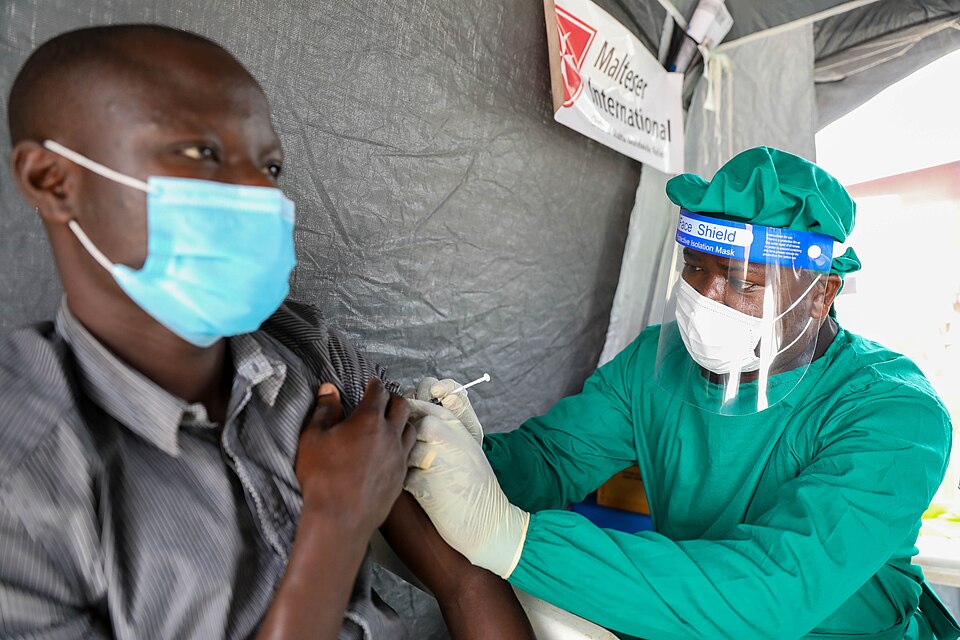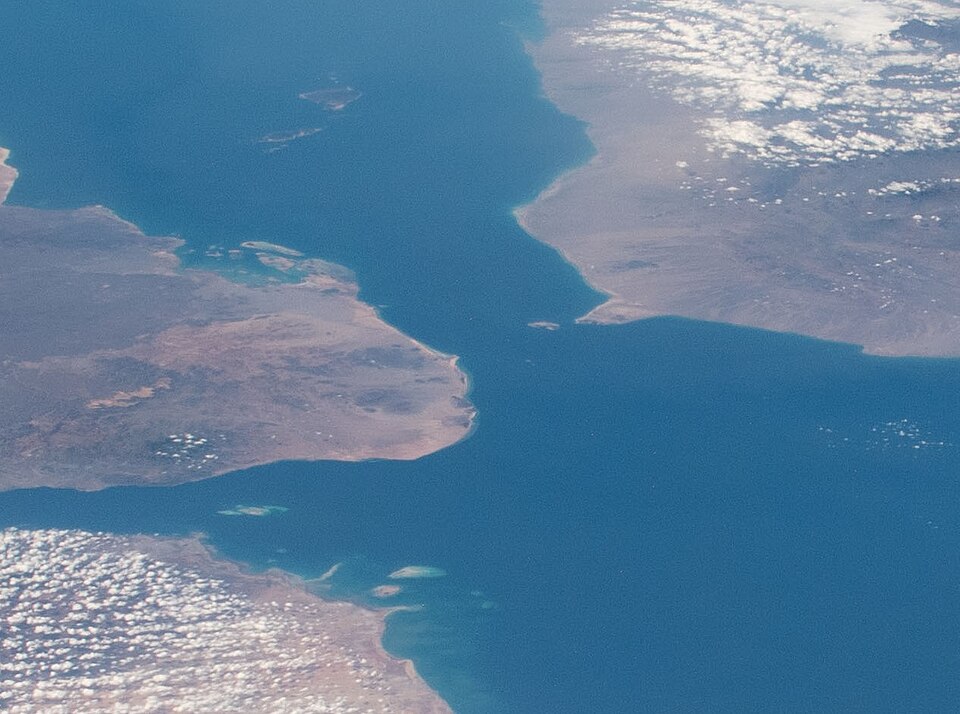
Nearly eight million people in South Sudan — more than half the country’s entire population — face crisis-level hunger, with the United Nations flagging famine risk in four specific counties. Simultaneously, a cholera outbreak has killed more than 1,700 people. These figures, from UN reporting, represent one of the world’s worst active humanitarian emergencies. South Sudan has approximately 12 million people. More than half of them are in crisis-level food insecurity in the same week the world’s news cycle is focused on the Iran ceasefire deal.
2-MINUTE CONTEXT — HOW SOUTH SUDAN GOT HERE
South Sudan became the world’s newest country in 2011, separating from Sudan after decades of civil war. Its independence was accompanied by significant international optimism and substantial foreign aid investment. That optimism proved premature: civil war broke out in 2013, paused under a 2018 peace agreement, and has continued in various forms. The country’s government has been chronically corrupt, its oil revenues (the primary export) have been inadequate to fund basic services, and climate shocks — specifically catastrophic flooding in the Nile basin that has destroyed crops and infrastructure across multiple harvest cycles — have compounded the conflict-driven food insecurity.
The 2026 crisis reflects all three drivers simultaneously: ongoing conflict in multiple regions; governance failure that prevents international aid from reaching affected populations; and climate-driven flooding that destroyed the 2025-2026 crop season. Eight million in crisis-level food insecurity is not a sudden emergency — it is the accumulated result of 15 years of compounding failures.
THE CHOLERA COMPOUND
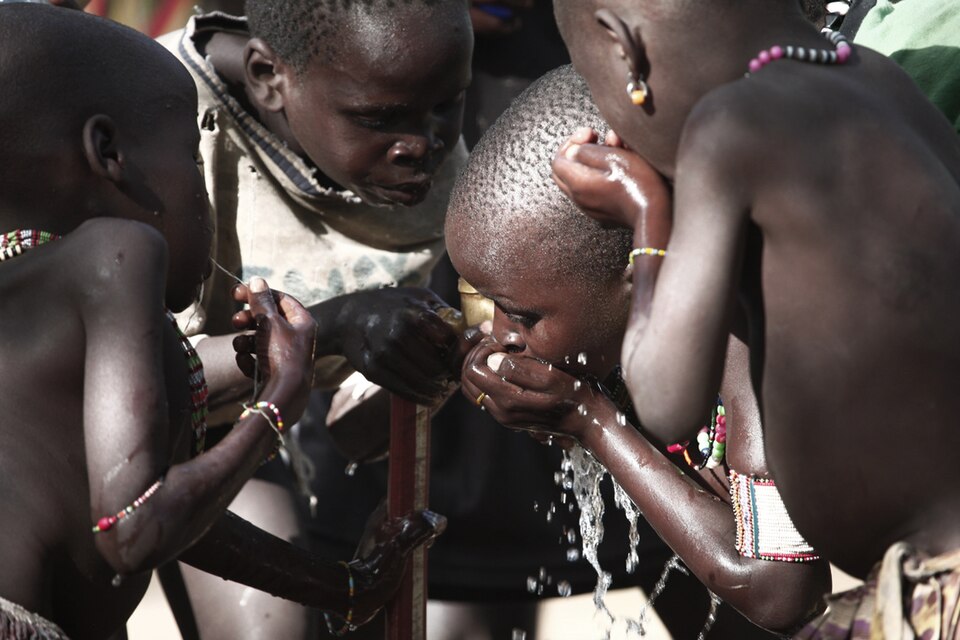
A cholera outbreak that has killed 1,700 people is not a separate event from the hunger crisis — it is its companion. Cholera spreads through contaminated water, and food-insecure populations are also typically shelter-insecure, water-insecure, and healthcare-insecure. The flooding that destroyed crops also contaminated water sources. The hunger that weakens immune systems makes cholera more deadly. The 1,700 deaths are the lethal intersection of multiple simultaneous crises.
Oral rehydration therapy and antibiotics can treat cholera effectively — the treatment is not technically sophisticated or expensive. The 1,700 deaths reflect not an untreatable disease but an inaccessible healthcare system: WHO, Medecins Sans Frontieres, and other organizations working in South Sudan lack the access and resources to reach all affected populations in time.
WHY THIS RECEIVES LESS ATTENTION THAN IT DESERVES
Eight million people facing starvation. 1,700 cholera deaths. In the same week: Iran deal, Russia-Ukraine escalation, West Bank settler violence, Saudi-Turkey-Pakistan pact, DC Circuit ballroom ruling, Blanche confirmation, Spokane recovery, Messi’s father’s death, DARPA AI F-16. The news cycle is not proportional to human suffering. South Sudan’s crisis is larger by any measure of human harm than most of the stories that are receiving more coverage.
ONYX’s commitment is to name the numbers. Eight million. More than half the country. 1,700 cholera deaths. These people exist, in a country that has received enormous international aid investment and attention, and they are starving. That is the story.
WHAT THE INTERNATIONAL RESPONSE ACTUALLY IS
▸ WFP (World Food Programme) is operating in South Sudan; funding is approximately 40% of what WFP considers adequate to meet need
▸ OCHA (UN Office for the Coordination of Humanitarian Affairs) has issued multiple urgent funding appeals; donor response has been below emergency threshold
▸ Cholera response is led by WHO and MSF; coverage is significantly below what the outbreak scale requires
▸ US USAID has been a primary donor; Trump administration’s USAID restructuring has reduced South Sudan humanitarian funding
▸ The “famine risk” designation in four counties requires a specific, high-evidence threshold; the UN is saying this carefully: famine is technically imminent in these counties
| CONFIDENCE: HIGH | Eight million facing crisis-level food insecurity is from UN News confirmed reporting. Four counties with famine risk is from OCHA assessment. 1,700 cholera deaths is from WHO report. South Sudan population (~12 million) is from UN demographic data. |
| ⚖️ BIAS CHECK — WHO IS SAYING WHAT | |
| UN Agencies (WFP, OCHA, WHO) | Documenting accurately; using careful technical language to maximize credibility and donor response |
| International Donors | Underfunding the response; the gap between WFP needs and donor contributions is a policy failure |
| South Sudan Government | Complicated role: partially responsible for conflict-driven displacement; also theoretically the sovereign authority through which aid is channeled |
| Western Media | Covering insufficiently; the Iran deal’s newsworthiness is crowding out humanitarian emergency coverage |
| US USAID | Reduced presence; Trump restructuring has affected programming; the specific reduction in South Sudan funding is documented |
SOURCES
▸ UN News — South Sudan 8 million crisis-level food insecurity, famine risk in four counties
▸ WHO — cholera outbreak 1,700 deaths
▸ WFP — South Sudan funding gap documentation
QUESTIONS YOU MAY STILL HAVE
Q: What does “crisis-level food insecurity” mean specifically?
A: The IPC (Integrated Food Security Phase Classification) uses a 5-level scale. Phase 3 is “Crisis”; Phase 4 is “Emergency”; Phase 5 is “Catastrophe/Famine.” Eight million Sudanese are at Phase 3 or above; the four counties with “famine risk” are at the Phase 4-5 threshold.
Q: Can the international community actually prevent the famine?
A: With adequate funding and access, yes — WFP and partner organizations have the logistics to deliver food and emergency medical care if funded and given access. The obstacles are: funding shortfalls (40% of what WFP needs); conflict-related access restrictions (armed groups blocking aid delivery); and governance failures (aid diverted or not reaching intended recipients).