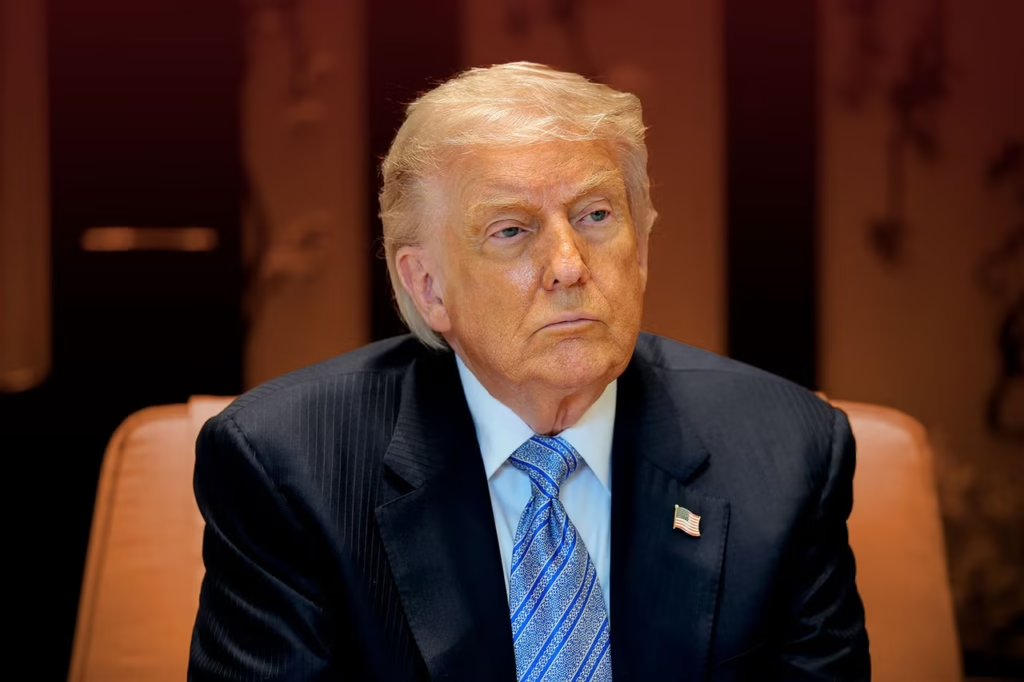
CNN reported that the chairman of the US Joint Chiefs of Staff privately told colleagues that Washington needed an “off-ramp” from the Iran conflict, because further escalation could backfire. This private assessment — which reached CNN through sourced reporting — represents the military’s candid view of the conflict’s trajectory, delivered in the period before the ceasefire deal was signed. It is significant both as context for why the deal was pursued and as a documented record of the military’s assessment of the war’s direction.
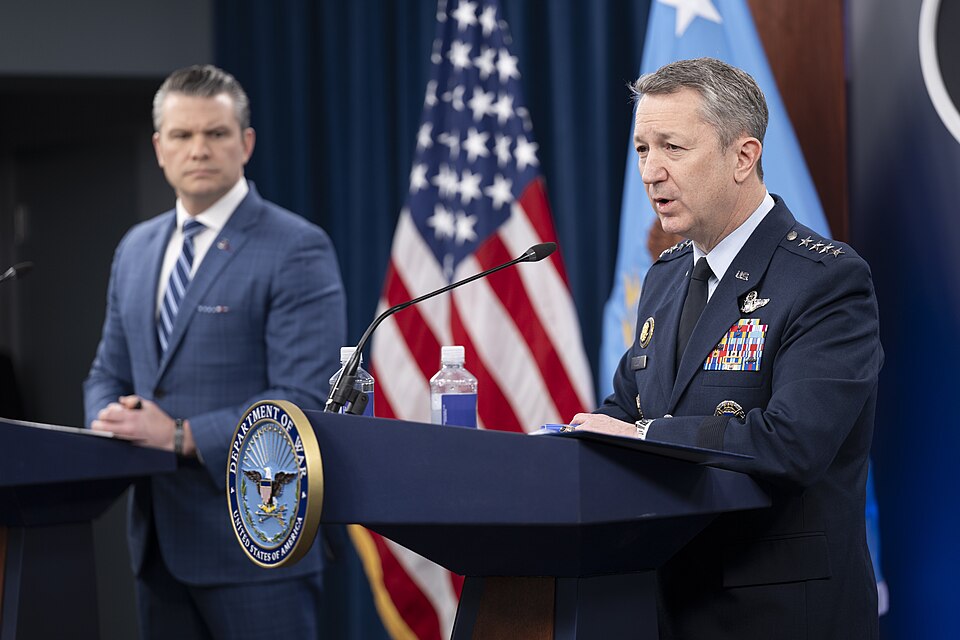
WHY “OFF-RAMP” IS SPECIFICALLY SIGNIFICANT LANGUAGE
“Off-ramp” in military and diplomatic planning language means: a way to stop an escalating process without either side losing face or having to achieve its stated objectives. It is the language you use when you believe the current trajectory is unsustainable but direct reversal is politically impossible.
The chairman of the Joint Chiefs saying the US needs an off-ramp — privately, to colleagues — is saying: we cannot win this war at acceptable cost, and further escalation makes the cost worse. This is not defeatism. It is the professional military’s realistic assessment of what five months of conflict have consumed (Patriot stockpiles, long-range strike missiles, political capital) and what further escalation risks (broader regional war, alliance fracture, domestic political collapse).
When your chairman of the Joint Chiefs says you need an off-ramp, you need an off-ramp. That is what the Oman-mediated ceasefire was: the off-ramp the military was privately asking for.
WHAT THIS REVEALS ABOUT THE DEAL’S ORIGINS
The ceasefire deal is publicly framed as a diplomatic achievement driven by Trump’s negotiating strength. The Joint Chiefs’ private “off-ramp” assessment reveals a parallel reality: the military was telling leadership that the conflict’s continuation posed risks that outweighed its potential gains. The deal reflects both the diplomatic achievement framing and the military constraint reality. Both are true. The diplomatic narrative is what is politically sellable; the military constraint reality is what actually drove the urgency.
This context matters for assessing the deal’s terms. When a military tells a president it needs an off-ramp, the president is not in a maximally strong negotiating position. The deal’s terms — 60-day Hormuz opening, 20% enrichment cap, 90-day nuclear dialogue — reflect the outcome of a negotiation in which the US had genuine military constraints as well as diplomatic leverage. Understanding both dimensions produces a more accurate picture than either alone.
| 🔍 ONYX REALITY CHECK VERDICT: TRUE WHY? CNN’s sourced reporting on the Joint Chiefs chairman’s private “off-ramp” assessment is documented journalism from a named major outlet. The strategic analysis of what this reveals about the deal’s origins is ONYX editorial, clearly labeled. | ||
| CONFIDENCE: HIGH | CNN sourced reporting is documented. The strategic analysis is ONYX editorial based on documented facts, clearly labeled. | |
| ⚖️ BIAS CHECK — WHO IS SAYING WHAT | |
| CNN | Reporting through anonymous sourcing on a significant private military assessment; standard national security journalism methodology |
| Joint Chiefs | Professional military assessment; not political; the chairman’s job is to tell civilian leadership the military’s honest assessment |
| Trump Administration | Will not acknowledge the “off-ramp” framing; the political narrative requires the deal to be a position of strength victory |
| Democrats | Will use this to question whether the war was conducted from strength or desperation; the “off-ramp” framing complicates the victory narrative |
| Military Analysts | Treating as entirely consistent with the documented stockpile depletion; the military conclusion and the data conclusion align |
SOURCES
▸ CNN — Joint Chiefs chairman off-ramp assessment, private communication, sourced reporting
▸ ONYX coverage — Patriot stockpile depletion (August 5), long-range missile depletion (August 6) — documented context