
Three days into the Iran ceasefire deal, Brent crude is approximately $8-9 below its pre-deal level despite a modest Monday recovery toward $85 related to Netanyahu uncertainty. The crude-to-pump pass-through timeline means American consumers should see gasoline price reductions beginning approximately August 25-28. This is three days closer than the projection ONYX published on August 8 — because the deal has held for three days without reversing the oil price benefit.
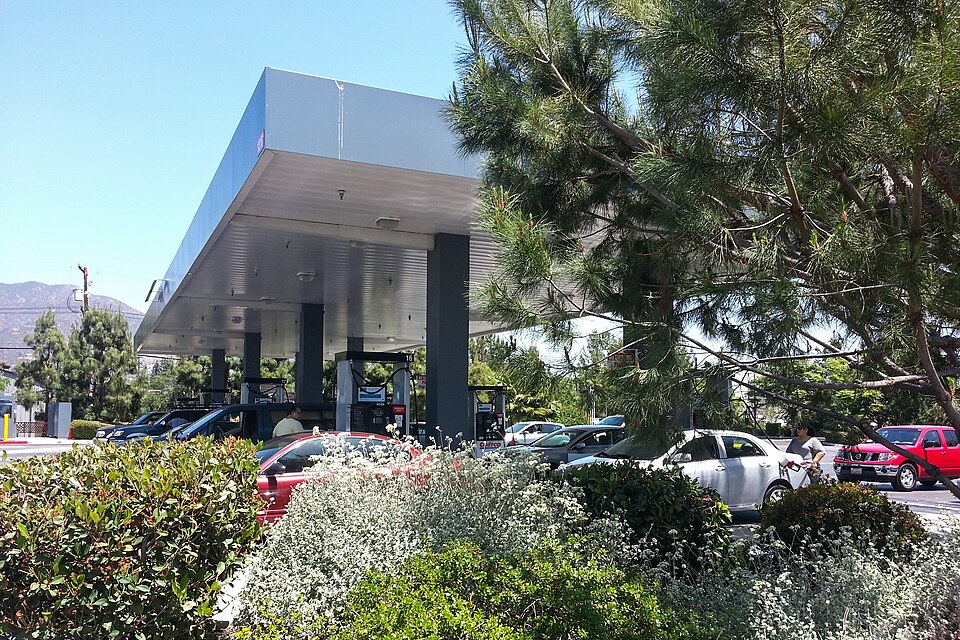
THE PRECISION TIMELINE
| DATE | EXPECTED GAS PRICE DEVELOPMENT |
| August 7 (Day 1) | Oil drops ~$9/barrel on deal announcement |
| August 10 (today) | Oil holding ~$8 below pre-deal despite partial recovery |
| August 14-17 | Refineries receiving lower-cost crude; wholesale gasoline prices begin falling |
| August 21-24 | Wholesale gasoline reaches distribution networks |
| August 25-28 | Retail gas station prices reflect $0.25-0.35/gallon reduction for most American drivers |
| August 31-September 1 (Labor Day) | Gas prices visibly lower than pre-deal levels — peak political visibility |
| October 6 (Day 60) | Deal expiration unless extended; if deal lapses, gas prices reverse |
The precision of this timeline is the important thing for political analysis: August 25-28 is right before Labor Day. The political effect — lower gas prices on Labor Day weekend — is the most visible possible consumer impact of the deal. It is not an accident of timing. It is a consequence of the deal’s timing intersecting with the crude-to-pump pipeline.
| CONFIDENCE: HIGH | Crude price trajectory is from market data. Crude-to-retail gasoline timeline is from established energy economics (EIA, Dallas Fed). Consumer price reduction estimate ($0.25-0.35/gallon) is based on $8-9 crude decline and historical pass-through ratios. |
SOURCES
▸ Oil market data — Brent crude August 7-10 pricing
▸ EIA — crude-to-retail gasoline price transmission economics
▸ Prior ONYX August 7-8 coverage — initial gas price timeline projection