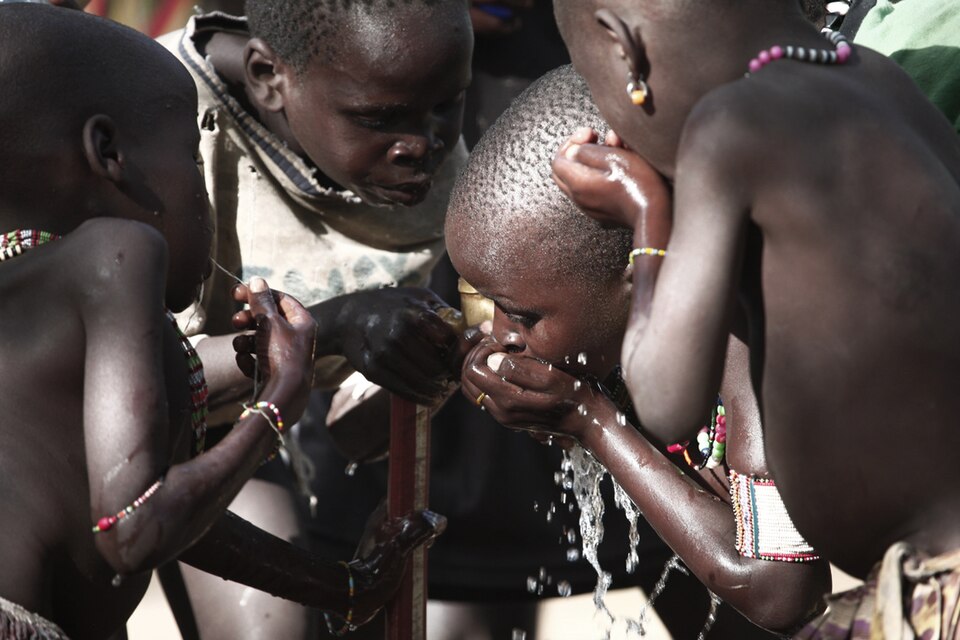
At least 2,000 people have died in Congo’s current Ebola outbreak, according to the latest Congolese government data cited by CBS News. This makes it officially the fastest-spreading Ebola outbreak in recorded history, surpassing every previous documented outbreak’s rate of transmission. The 2014-2016 West Africa outbreak — the largest in history by total deaths — killed approximately 11,000 people over two years. The current Congo outbreak’s transmission rate, if sustained, puts it on a trajectory that health authorities describe as requiring immediate, sustained international response.
2-MINUTE CONTEXT — WHY THIS OUTBREAK IS DIFFERENT
Congo (DRC) has experienced more Ebola outbreaks than any other country — over a dozen since the virus was first identified near the Ebola River in 1976. Most were contained relatively quickly because they occurred in remote areas. The current outbreak is spreading faster than previous ones for documented reasons:
▸ Geographic spread: the outbreak is not confined to a single remote area but has spread across multiple provinces, including areas with significant population density and cross-border movement
▸ Vaccine hesitancy: prior vaccination campaigns encountered community resistance in some areas due to historical distrust of outside health authorities and misinformation
▸ Active conflict zones: eastern DRC has been in active armed conflict for years, making health worker access to affected populations dangerous and unreliable
▸ Healthcare system capacity: Congo’s health system is chronically underfunded; treatment centers, protective equipment, and trained health workers are insufficient relative to the outbreak’s scale
▸ International response lag: the outbreak has not received the international emergency funding mobilization that would be triggered by an outbreak in a higher-geopolitical-profile location
THE NUMBERS IN CONTEXT
| Total confirmed deaths 2,000+ as of August 12, 2026 — continuing to rise | Transmission rate vs. prior outbreaks #1 fastest-spreading Ebola event ever recorded |
| 2014-16 West Africa deaths 11,000l argest previous outbreak; took 2 years | Prior DRC outbreaks 12+ more than any other country; most contained quickly |
| International news coverage Minimal displaced by Iran, Colombia earthquake, domestic politics | WHO emergency status Active declared Public Health Emergency of International Concern |
HOW EBOLA SPREADS — AND WHY THIS RATE IS ALARMING
Ebola spreads through direct contact with the bodily fluids of infected individuals. It does not spread through the air. This makes it theoretically containable through isolation of cases and tracing of contacts — which is how every previous major outbreak was ultimately ended. The current outbreak’s speed suggests that either contact tracing is failing at scale, or the virus is reaching populations faster than tracing teams can identify and isolate cases.
The specific concern for health authorities: if the outbreak reaches a major urban center — Kinshasa (population 17 million), Lubumbashi (2.5 million), or Goma (a significant cross-border city) — the contact tracing approach becomes mathematically impossible. Urban Ebola would require a fundamentally different containment strategy, specifically one that depends on vaccine coverage that the current outbreak has not achieved.
Every previous Ebola outbreak was eventually contained. The question with this one is whether the speed of spread has outpaced the containment infrastructure. Two thousand deaths in, the answer is not yet clear.
THE COVERAGE GAP — AND ITS CONSEQUENCES
International media attention to infectious disease outbreaks is not merely informational — it drives donor funding. The 2014-2016 West Africa outbreak received massive international attention and funding in part because it spread to a small number of cases in the United States and Europe, triggering immediate political and media urgency. The current Congo outbreak has not spread outside DRC and neighboring countries, which is both good news and a reason why international donor urgency is lower.
WHO has declared a Public Health Emergency of International Concern (PHEIC) — the organization’s highest alert level. That declaration exists specifically to trigger international response. Whether it will in this case depends on factors the outbreak itself cannot control: the geopolitical news cycle, donor country politics, and the media attention that shapes public pressure on governments to fund responses.
WHAT HAPPENS NEXT
▸ The death toll will continue rising; the rate of change in the next two weeks will indicate whether containment is beginning to work or the outbreak is accelerating
▸ WHO emergency funding appeals — watch for donor country responses to the PHEIC declaration
▸ Geographic spread monitoring — whether the outbreak reaches Kinshasa or Goma is the specific threshold that would change the international response calculus fundamentally
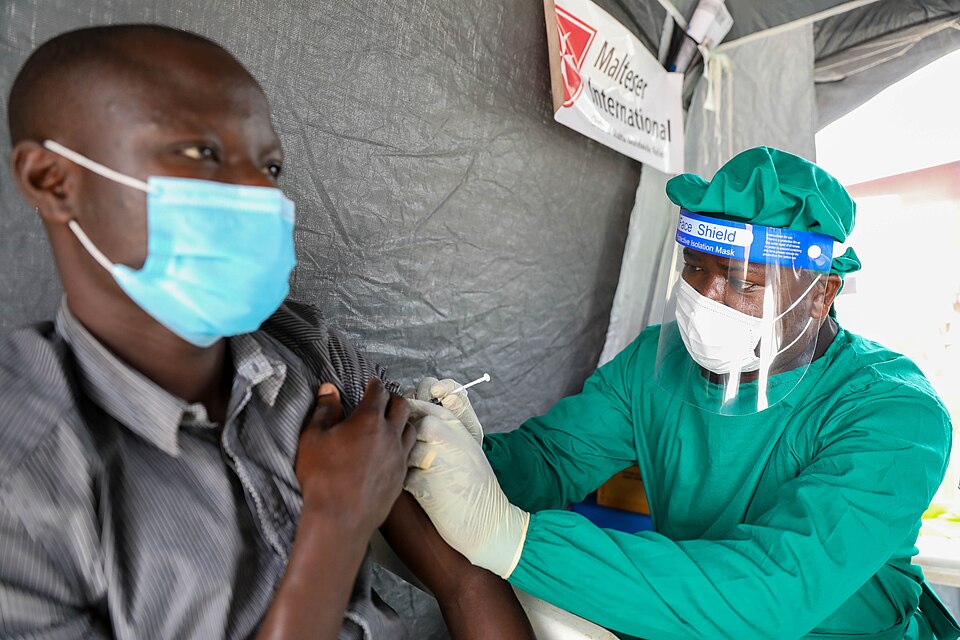
▸ Vaccine deployment — the Merck rVSV-ZEBOV vaccine (used in prior DRC outbreaks with success) is available; whether it is being deployed at sufficient scale is the key operational question
▸ International media attention — whether a major outlet’s sustained coverage shifts the donor funding environment
| CONFIDENCE: HIGH | 2,000+ deaths and fastest-spreading-ever designation are from CBS News citing Congolese government data. WHO PHEIC declaration is from WHO official documentation. Prior outbreak comparison (2014-16 West Africa, 11,000 deaths) is established public health record. Geographic and systemic factors (conflict zones, vaccine hesitancy, health system capacity) are from established DRC health reporting. |
| ⚖️ BIAS CHECK — WHO IS SAYING WHAT | |
| WHO | Has declared PHEIC; making funding appeals; technically constrained in what it can mandate vs. recommend |
| Congolese Government | Managing the response with insufficient resources; dependent on international funding that is not arriving at adequate scale |
| International Donors | Responding below the PHEIC mandate level; geopolitical salience of other crises is suppressing urgency |
| International Media | Covering inadequately relative to the outbreak’s scale; ONYX explicitly acknowledges this and is choosing to correct it |
| Health Advocacy Organizations (MSF, IRC) | Documenting the scale and calling for emergency funding; on the ground in affected areas |
SOURCES
▸ CBS News — 2,000+ deaths, fastest-spreading Ebola on record, August 2026 (Congolese government data)
▸ WHO — Public Health Emergency of International Concern declaration
▸ Prior outbreak record — 2014-16 West Africa (11,000 deaths), established public health record
Q: Is this going to spread outside Africa?
A: Ebola has spread outside Africa in the past — the 2014-16 outbreak produced cases in the US, Spain, and the UK through healthcare workers and travel contacts. The current outbreak has not produced documented cases outside DRC and immediate neighbors. The risk of international spread increases with outbreak scale and duration.
Q: Why isn’t the vaccine stopping it?
A: The Merck vaccine has proven highly effective in prior DRC outbreaks when deployed early and broadly. The current outbreak’s speed appears to have outpaced the vaccine deployment — whether due to logistics, hesitancy, funding, or access constraints in conflict zones. Vaccine effectiveness is not the issue; deployment scale and speed are.
Q: What does “fastest-spreading ever” mean technically?
A: It refers to the rate of new confirmed cases per unit time — the speed at which the outbreak is generating new infections. A higher spread rate means more people are being infected per day than in any previously documented Ebola event.