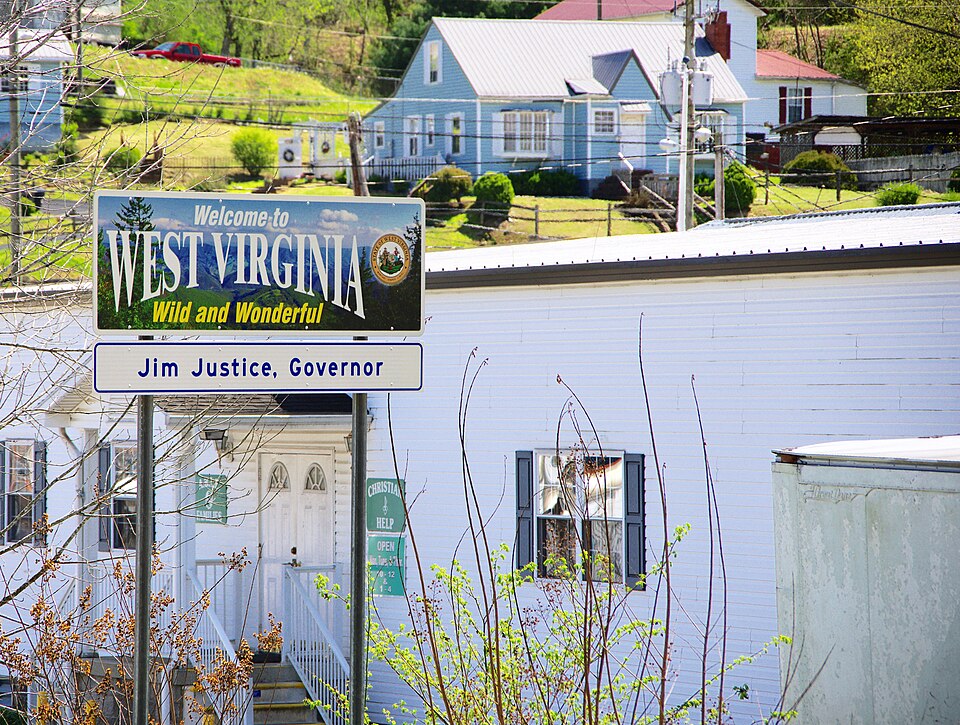
West Virginia became the first state to implement a universal school voucher program — allowing any family to redirect per-pupil public school funding to private education expenses. NPR’s investigation into the program’s results finds: smaller school districts losing students and funding faster than they can reduce costs; rural schools in particular facing existential pressure as the funding base erodes; and a gap between the program’s promise (expanding educational choice for all families) and its reality (benefiting primarily families who can supplement the voucher with additional private resources). This is the first large-scale real-world test of the universal voucher model, and its results are the evidence base for the national voucher debate.
2-MINUTE CONTEXT — HOW THE PROGRAM WORKS
West Virginia’s Hope Scholarship program provides families with approximately $4,600 per student per year — roughly the per-pupil public school funding amount — to use for private school tuition, homeschooling materials, tutoring, and other education expenses. The program is universal: any family can access it, not just families below income thresholds.
The funding mechanism: when a student leaves the public school system, the voucher amount follows them to their private option. The public school loses that per-pupil funding. The problem for small rural schools: fixed costs (building, staff, utilities) do not decrease proportionally when students leave. A school that loses 10% of its students loses 10% of its per-pupil funding but cannot eliminate 10% of its fixed costs. The cost-per-remaining-student rises, which stresses the entire district’s budget.
WHAT NPR’S INVESTIGATION FOUND
▸ RURAL SCHOOL COLLAPSE RISK: small rural districts are losing students faster than they can adjust, creating budget spirals in which less funding leads to fewer programs, which leads to more families choosing alternatives, which leads to less funding
▸ BENEFIT CONCENTRATION: families using the voucher most effectively tend to have the resources to supplement it; private school tuition in West Virginia often exceeds $4,600, and only families who can cover the gap fully access the most selective private options
▸ SPECIAL EDUCATION GAP: public schools are required to serve students with disabilities; private schools are not; families with special-needs children may find the voucher insufficient if private schools that accept their child are limited
▸ TRANSPORTATION BARRIER: rural families who choose private alternatives face transportation costs that public school buses formerly covered; the voucher does not include transportation funding
▸ ACCOUNTABILITY GAP: public schools are subject to state academic standards and accountability; private schools receiving voucher funds have lighter accountability requirements in West Virginia’s program
The promise of universal vouchers is choice for everyone. The reality of rural West Virginia is that the families who most need alternatives are often the least able to use the one they’ve been given.
THE NATIONAL DEBATE IMPLICATIONS
West Virginia’s experience is the most complete real-world data set available for the universal voucher debate. Advocates for school choice cite increased competition and family empowerment; critics cite public school defunding in the districts that can least afford it. The NPR investigation provides specific, documented evidence for what actually happens in a rural, low-income state when the program is implemented universally.
ONYX notes: this story is not about whether school choice is a good idea in principle. It is about what West Virginia’s specific experience reveals about how the universal voucher model functions in practice. Those are different questions. The empirical evidence from West Virginia is available regardless of one’s priors on the principle.
WHAT HAPPENS NEXT
▸ Other states’ policy makers are watching West Virginia; the results will inform (or not) voucher debates in other states with similar rural demographics
▸ West Virginia legislature will face pressure to modify the program based on documented rural impacts
▸ Litigation — some West Virginia school districts and parents have challenged aspects of the program; court decisions will affect its future scope
▸ The national voucher debate will now have a specific real-world case study to argue over
| CONFIDENCE: HIGH | NPR investigation into West Virginia’s Hope Scholarship program results is the primary source. Program mechanics (per-pupil funding, $4,600 amount, universal eligibility) are from established documentation. Analysis of rural impact mechanisms is ONYX editorial based on documented public finance economics. |
| ⚖️ BIAS CHECK — WHO IS SAYING WHAT | |
| NPR | Investigative journalism documenting real-world program outcomes; not an advocacy piece for either position |
| School Choice Advocates | Will note that some families are genuinely better served; will contest the rural collapse framing |
| Public Education Advocates | Will use the NPR findings as evidence of the program’s negative effects on districts that cannot absorb student loss |
| West Virginia Legislature | Divided; some members support the program philosophically; others represent rural districts facing the documented stress |
| Rural West Virginia Communities | The most directly affected; their schools are the specific subject of the research |
SOURCES
▸ NPR — West Virginia Hope Scholarship voucher program results, August 2026
Q: Has any family actually benefited from the program?
A: Yes — families with the resources to supplement the voucher and access private options they prefer have genuine expanded choice. The NPR investigation documents both the benefits for some families and the costs to the public school system. Both are real outcomes.
Q: Could the program be modified to address the rural concerns?
A: Several modifications are discussed in the school choice research literature: transportation funding inclusion; per-pupil floor minimums for rural districts; accountability requirements for participating private schools; and income caps that limit universal access to those with means to supplement. Whether West Virginia’s legislature will adopt any of these is a political question.