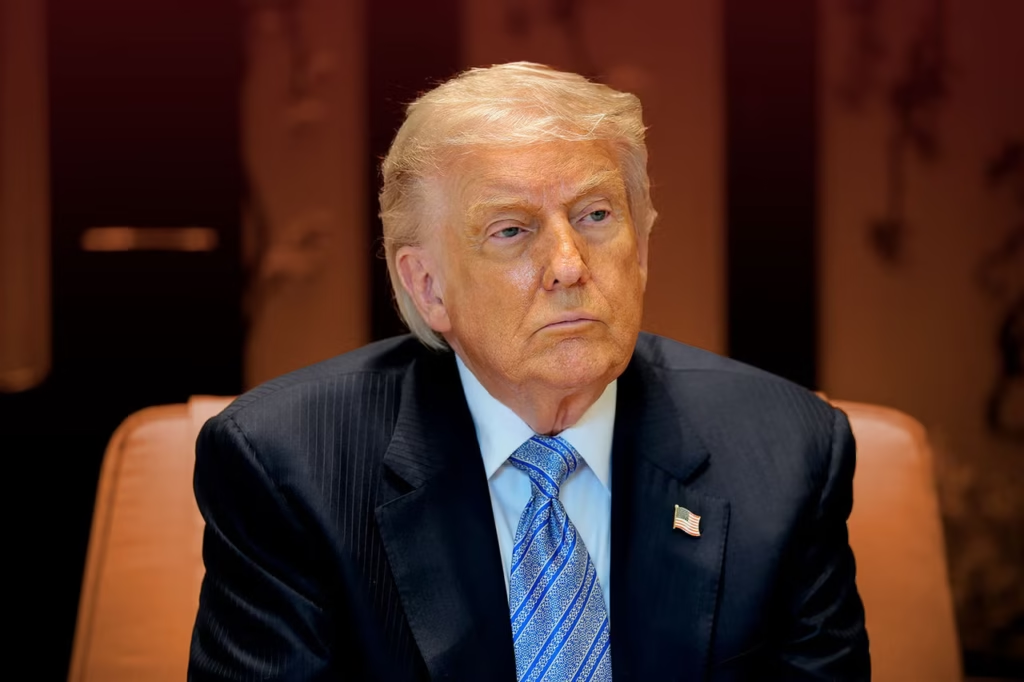
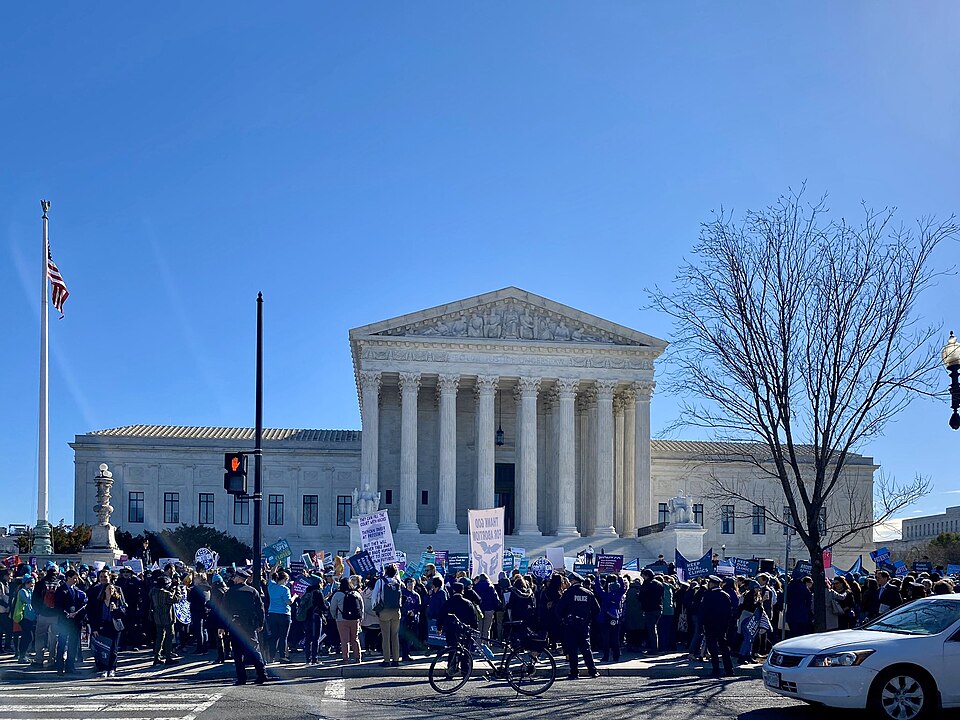
The US Supreme Court refused to hear Donald Trump’s appeal over E. Jean Carroll’s 1996 abuse claims, according to Al Jazeera. This is the latest in a series of Trump personal legal defeats at the Supreme Court level across this term. The denial of certiorari means the lower court’s ruling stands without Supreme Court review. It does not constitute the Supreme Court affirming Carroll’s claims as true — a cert denial means only that the Court declined to take the case, which can reflect any number of considerations beyond the merits.
CONTEXT — THE CARROLL CASES
E. Jean Carroll brought two lawsuits against Trump: one for the sexual abuse she says occurred in a Bergdorf Goodman dressing room in 1996; and one for defamation, based on Trump’s public denials of her account. A federal jury in 2023 found Trump liable for sexual abuse (not rape, as Carroll originally alleged) and defamation, awarding Carroll approximately $5 million. A second defamation lawsuit produced a jury award of approximately $83 million in January 2024.
Trump has appealed multiple aspects of these cases. Today’s Supreme Court denial concerns his appeal of the 1996 sexual abuse claim. The Court’s decision not to hear the case means the lower court’s determination stands.
WHAT A CERT DENIAL MEANS — AND DOESN’T MEAN
A denial of certiorari is not a ruling on the merits. The Supreme Court denies cert (declines to hear) the vast majority of cases presented to it — approximately 97-98% of petitions are denied. A denial can reflect: the Court finding the case does not present a question of sufficient national legal significance; the Court finding the lower court’s ruling was correct; justices disagreeing about whether to take the case without forming a majority either way; or simply the Court’s limited docket capacity. It does not mean the Court ruled that Carroll’s account is credible, that Trump committed sexual abuse, or that the lower court’s legal analysis was correct.
A cert denial says the Supreme Court will not weigh in. It does not say the Supreme Court agrees with what’s below. The distinction matters.
THE PATTERN OF TRUMP PERSONAL LEGAL OUTCOMES
The Carroll cert denial continues a pattern: Trump’s personal legal challenges — as distinct from his executive power cases, where he has had more success — have consistently not found relief at the Supreme Court level. The criminal hush money conviction, the Carroll civil verdicts, and now this cert denial represent a consistent pattern of the legal system finding that presidential immunity does not extend to pre-presidential personal conduct. That specific legal holding is consistent across these cases.
| CONFIDENCE: HIGH | Supreme Court cert denial in Carroll 1996 case is from Al Jazeera confirmed reporting. Cert denial legal mechanics are established Supreme Court procedure. Carroll case verdict history (2023 $5M, 2024 $83M) is from established public record. |
SOURCES
▸ Al Jazeera — Supreme Court Carroll cert denial, August 2026
▸ Carroll v. Trump — jury verdict history (established public record)
Q: Does the cert denial mean Trump has to pay anything?
A: The civil verdicts that produced the monetary judgments against Trump are in their own appeals process. The cert denial today concerns the 1996 sexual abuse claim specifically. Whether and when Trump pays the jury-awarded damages is a separate enforcement question.
Q: Can Trump appeal further?
A: The Supreme Court is the court of last resort. If the cert was denied, there are no further domestic appellate options for that specific claim.