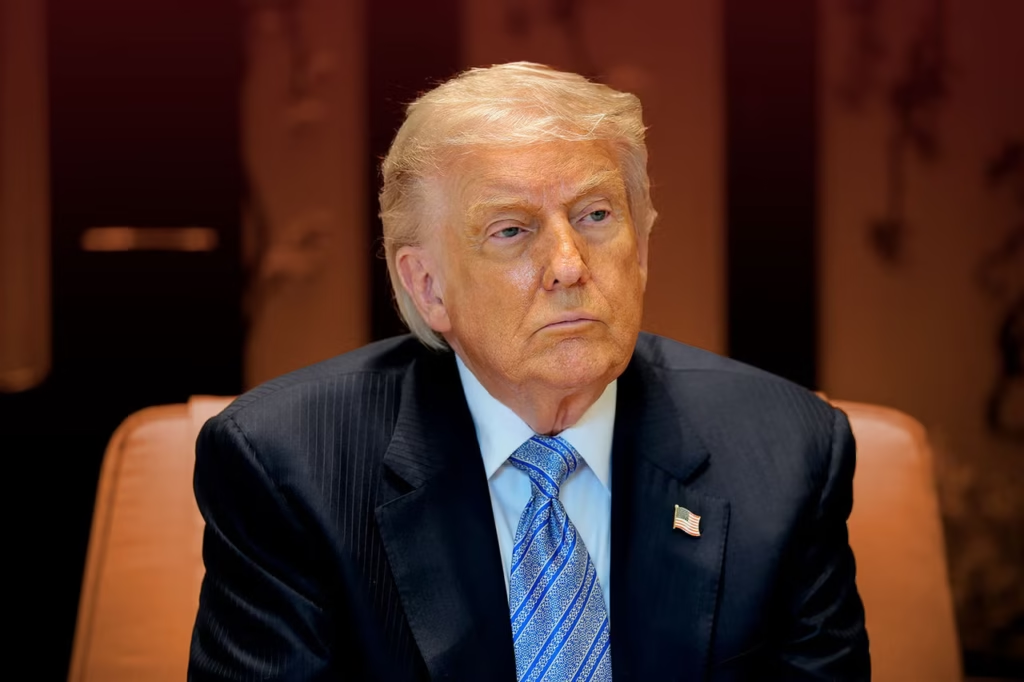
Trump delayed 50% US tariffs on Canadian imports less than two hours before they were set to take effect, after US Trade Representative Jamieson Greer met with Canadian officials at the Commerce Department and reached a last-minute deal, according to NPR. This is the specific pattern of Trump trade negotiation that has characterized the second term’s trade policy: announce escalating tariffs, allow tension to build, reach an agreement at the last possible moment. The two-hour window before tariff implementation is the most compressed version of this pattern yet.
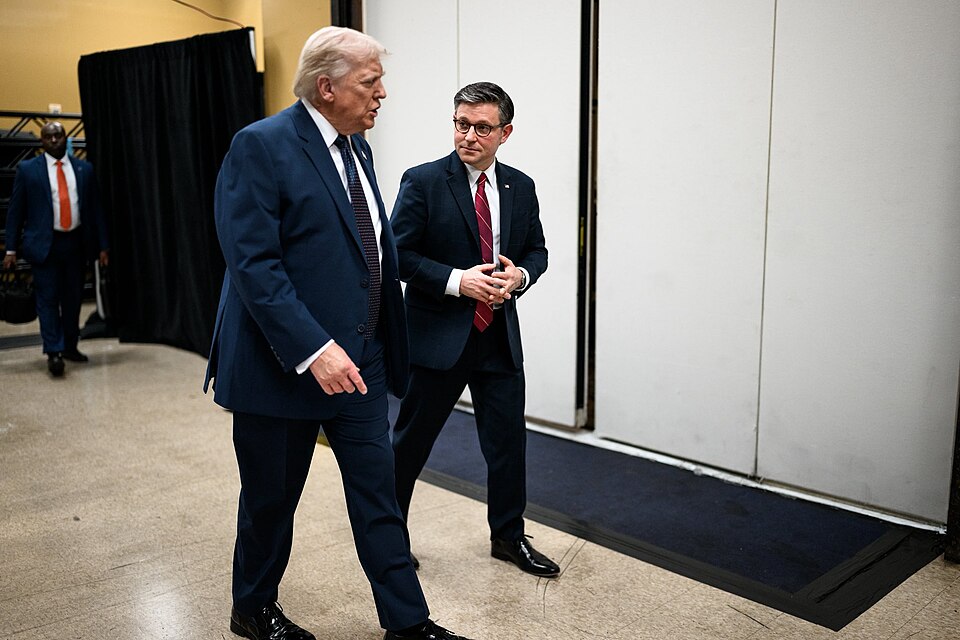
2-MINUTE CONTEXT — THE CANADA TARIFF BACKGROUND
US-Canada trade is one of the world’s largest bilateral trade relationships, with approximately $900 billion in annual goods and services trade. The US and Canada are also USMCA partners — the trade agreement negotiated by Trump in his first term to replace NAFTA. A 50% tariff on Canadian imports would be economically catastrophic for both economies: Canada sends approximately 75% of its exports to the US, and the supply chain integration between the two countries means that inputs crossing the border multiple times during manufacturing would be hit by the tariff multiple times.
The specific sectors most affected by a 50% Canadian tariff: lumber (housing construction costs would increase substantially); auto parts (highly integrated US-Canada supply chains); aluminum and steel; energy; and agricultural products. These are not abstract trade categories; they are inputs into consumer prices that Americans pay daily.
THE TWO-HOUR PATTERN
The two hours before the tariff’s scheduled implementation is the specific drama the Trump trade approach produces. The two-hour window creates: maximum negotiating pressure on Canada (the tariff is about to land; what will you concede?); domestic political optics of decisive follow-through (Trump is serious, he’s implementing the tariff); and a reprieve narrative when the deal is reached (‘Trump saved the relationship’). Whether the deal reached in those two hours is better, worse, or equivalent to what could have been reached without the tariff threat is the specific question trade policy analysts are examining.
The answer requires knowing what the deal actually involves. NPR’s reporting confirms the tariff was delayed after a last-minute agreement; the specific terms of that agreement are the substance that determines whether the two-hour drama produced any policy value beyond the political theater.
WHAT THE DEAL INVOLVED
The specific terms of the last-minute US-Canada agreement are not detailed in available reporting for this article. What is confirmed: the tariff was delayed ‘until further notice’ rather than permanently suspended; Greer met with Canadian officials at the Commerce Department; and a deal was reached. The duration of the delay and the Canadian concessions that justified the delay are the specific unknowns that will determine the deal’s significance.
The tariff was delayed two hours before it hit. Whether the deal reached was worth the two weeks of economic anxiety that preceded it is the question the deal’s actual terms will answer.
THE IRAN WAR ECONOMIC CONTEXT
The Canada tariff drama arrives in the same week that the Iran ceasefire is on Day 13 and gas prices are approaching their projected floor. Both are economic pressure stories with specific political timing. The Canada tariff reprieve reduces one source of inflationary pressure (lumber, auto parts, energy from Canada); the Iran deal’s oil price benefit reduces another (energy from the Gulf). Together, the two developments provide the administration with a specific economic relief narrative heading into the Labor Day political visibility window.
WHAT HAPPENS NEXT
▸ Tariff delay terms — the specific duration and conditions of the delay will be published; whether the delay is indefinite or has a specific end date determines the Canadian business community’s planning horizon
▸ USMCA implications — whether the tariff threat and last-minute deal affect the scheduled USMCA review process
▸ Canadian government reaction — Prime Minister’s office characterization of what Canada conceded or received
▸ Congressional reaction — whether Republican or Democratic members endorse or challenge the trade reprieve pattern
| CONFIDENCE: HIGH | Trump 50% tariff on Canada, two-hour delay, Greer-Canadian officials meeting, and NPR reporting are from confirmed NPR reporting. USMCA background and US-Canada trade volume are from established trade data. Canada tariff sector analysis is from established trade economics. |
| ⚖️ BIAS CHECK — WHO IS SAYING WHAT | |
| Trump Administration | Claiming the two-hour reprieve as a negotiating success; the political optics of a deal reached at the last moment are favorable regardless of deal content |
| Canadian Government | Has conceded something to secure the delay; whether what they conceded was worth the two weeks of tariff anxiety is their political determination |
| Business Community (both countries) | The uncertainty itself is the cost; the two-hour window produces planning paralysis that has economic consequences independent of whether the tariff actually lands |
| USTR Greer | Has been the operational architect of the tariff negotiation; his meetings with Canadian officials produced the deal |
SOURCES
▸ NPR — Trump Canada 50% tariff delay, two hours before implementation, Greer deal, August 2026
Q: What would a 50% tariff on Canada actually cost consumers?
A: A 50% tariff on all Canadian imports would increase prices on a significant range of consumer goods: lumber increases housing construction costs; auto parts increase vehicle prices; Canadian energy (oil, gas, electricity to border states) increases energy costs; agricultural products increase food prices. Economists estimate the aggregate effect in the hundreds of billions in annual economic impact.
Q: Is this legal under USMCA?
A: USMCA has specific provisions about tariff escalation between member states. Whether a 50% tariff violates USMCA’s terms is a legal question that trade lawyers are examining; Canada could challenge the tariff under USMCA’s dispute resolution mechanism. The deal reached before implementation may be partly designed to avoid that challenge.