Today is Day 13 of the Iran ceasefire deal. This is the most stressed period the deal has faced in ONYX’s 13-day tracking. The cumulative stress signals: the 72-hour IRGC backchannel contradiction (Day 12, August 19); the Kushner Oman threat (Day 12); the UAE total trade suspension following a missile threat warning (Day 12); and now Trump’s ‘economic warfare’ announcement on the same day he said the situation is ‘so good.’ ONYX tracks the operational indicators as the primary deal-stability measure. Those indicators are addressed at the end of this article.
THE 72-HOUR TRUMP CONTRADICTION — THE LATEST ENTRY
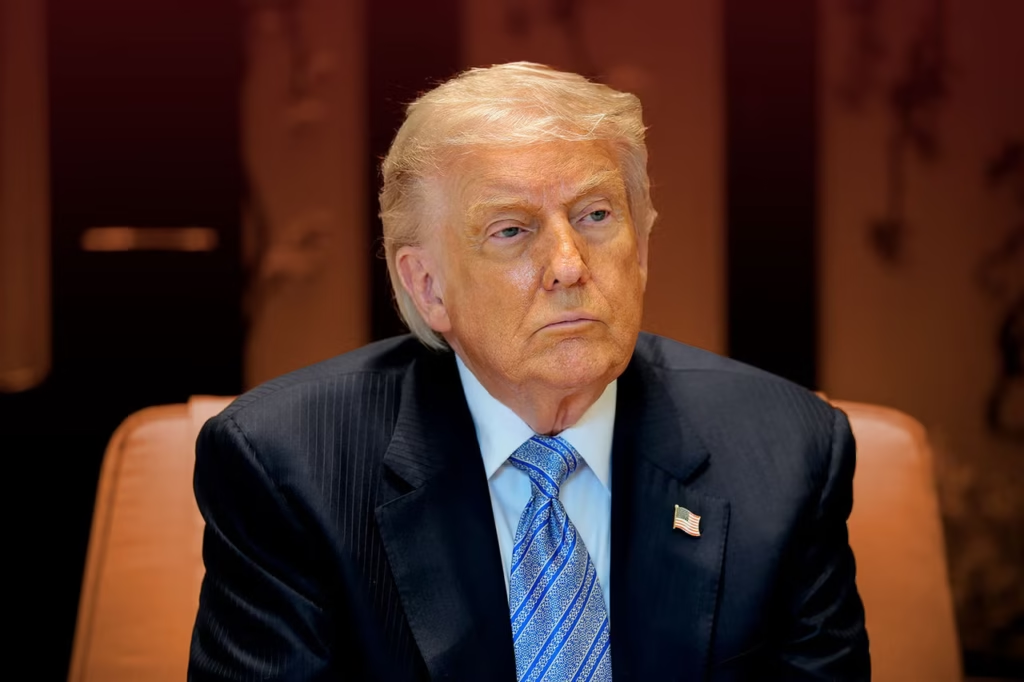
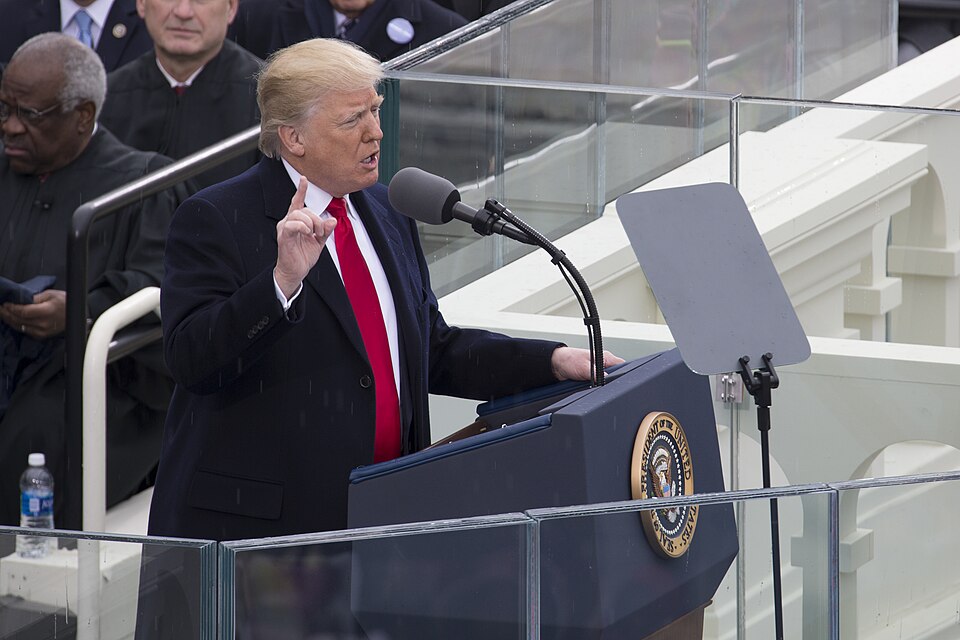
Wednesday produced another within-hours contradiction in the Trump Iran posture. Earlier Wednesday: Trump said the US might eventually return to negotiations because ‘the situation is so good.’ Later Wednesday: Trump announced a ‘crushing economic operation’ on Iran that he characterized as ‘economic warfare.’
This is not the first within-hours contradiction ONYX has documented in this production run: the Monday IRGC-claim / Wednesday reversal (August 19 Section A Story 1) was a 72-hour contradiction. Wednesday’s ‘so good’ / ‘economic warfare’ is a same-day contradiction. The pattern suggests either: deliberate rhetorical flexibility (saying different things to different audiences on the same day); genuine policy uncertainty at the top of the administration; or a communication dynamic in which Trump’s statements do not reflect a single coherent policy position.
WHAT “ECONOMIC WARFARE” MEANS IN CONTEXT
Trump’s ‘crushing economic operation’ / ‘economic warfare’ characterization comes after Bessent’s August 14 announcement of ‘unprecedented measures’ (ONYX August 17 Section B Story 20). The specific relationship between the two announcements is not confirmed: is the ‘economic warfare’ announcement the implementation of the ‘unprecedented measures’ Bessent previewed six days ago? Or is it a separate escalation announcement layered on top of measures not yet specified?
What is confirmed: the administration is publicly characterizing its Iran economic pressure posture as ‘economic warfare.’ This language is stronger than ‘sanctions,’ which is the standard diplomatic term. ‘Economic warfare’ is a term of art in conflict analysis that implies a deliberate attempt to destroy the target economy, not merely constrain specific sectors. Using this language while a ceasefire is operative represents a specific escalation in rhetorical posture.
THE SAME-DAY “SO GOOD” ASSESSMENT
Trump’s earlier Wednesday characterization that ‘the situation is so good’ and the US might return to negotiations is analytically interesting for what it reveals about his actual assessment of the deal’s status. If the situation is ‘so good’ — and ONYX’s operational indicators support that the deal is functioning — then the ‘economic warfare’ announcement is not a response to deal failure. It is an escalation during a period of deal success. The political logic is either: using the good situation as leverage to extract additional concessions; or responding to domestic political pressure to show strength toward Iran independent of the deal’s operational status.
‘The situation is so good’ and ‘economic warfare’ in the same day. The situation is either so good that economic warfare is unnecessary, or economic warfare is necessary because it’s not actually so good. Both cannot be true.
THE IRAN REACTION DIMENSION
Iran’s armed forces chief renewed warnings to Gulf states against assisting the US military on the same day, characterizing any such help as ‘joining operations against the Islamic Republic.’ This is the same warning ONYX documented on August 19. Its repetition today — simultaneously with Trump’s ‘economic warfare’ announcement — suggests coordinated escalation rhetoric from both sides on the same day that the ceasefire’s operational indicators continue to function. ONYX names this as the specific paradox of Day 13: escalating rhetoric on both sides; functioning deal in the operational data.
THE FIVE FAILURE MODE ASSESSMENT — DAY 13
Updated assessment at Day 13:
▸ Israeli unilateral strike on Iran: STILL HIGH — Ben Gvir ‘kill quota’ demand (Story 15) is a new data point; he has not yet formally conditioned coalition membership on it
▸ Iran enrichment violation: MONITORING — IAEA active; below-20% confirmed through Day 12; Day 13 data pending
▸ Iranian domestic collapse: NOT ACTIVE — but economic warfare announcement may accelerate internal hardliner pressure on Araghchi’s diplomatic track
▸ Gulf proxy incident: ELEVATED — UAE trade suspension ongoing; Houthi Red Sea attacks continuing (Story 17); Russian tanker oil spill in Oman (Story 13) adds new complication
▸ 60-day cliff: 46 DAYS AWAY — October 6; second nuclear session still not scheduled; economic warfare announcement may complicate its scheduling
THE OPERATIONAL INDICATORS AT DAY 13
Despite the political chaos, the deal’s operational indicators continue to function:
▸ Hormuz vessel count: estimated 65-70/day; normalization trajectory intact; pre-war baseline 138/day
▸ IAEA monitoring: active; enrichment below 20% through Day 12
▸ Gas prices: approximately $0.25-0.30 below Hormuz-closure peak; approaching or at projected floor (August 20-22)
▸ Oil prices: Brent crude approximately $7-8 below pre-deal; ‘economic warfare’ announcement may put upward pressure on this
▸ Days to October 6: 46
WHAT HAPPENS NEXT
▸ ‘Economic warfare’ implementation specifics — whether the Bessent ‘unprecedented measures’ are the same announcement or separate
▸ Iran’s formal response — whether the economic warfare announcement prompts a diplomatic response that affects the nuclear dialogue second session scheduling
▸ Oil markets — the ‘economic warfare’ language will put upward pressure on oil prices; watch Brent crude in the next 24-48 hours
▸ Second nuclear session scheduling — the most direct test of whether the escalating rhetoric has damaged the functional diplomatic track
▸ 46 days to October 6
| CONFIDENCE: HIGH | Trump ‘economic warfare’ / ‘crushing economic operation’ and ‘situation is so good’ same-day statements are from confirmed reporting. Iran armed forces chief Gulf state warning repetition is from confirmed reporting. Day 13 operational indicators are from ONYX cumulative tracking. Five failure mode update is ONYX editorial. |
| ⚖️ BIAS CHECK — WHO IS SAYING WHAT | |
| Trump Administration | Simultaneously claiming success (“situation is so good”) and escalation (“economic warfare”) — the contradiction is the documented fact, not ONYX editorial |
| Iran | Responding with military threat rhetoric (armed forces chief Gulf state warning) on the same day; both sides escalating rhetoric while the operational deal functions |
| Oil Markets | Will price the “economic warfare” announcement as upward pressure on oil; the deal discount may narrow |
| Gulf States | UAE has already acted (trade suspension); other GCC members watching the escalating rhetoric and calibrating their own responses |
| ONYX | Operational indicators as primary stability measure; rhetorical escalation as secondary stress signal; both tracked simultaneously |
SOURCES
▸ Confirmed reporting — Trump “economic warfare” / “crushing economic operation” and “situation is so good” statements, August 20, 2026
▸ Iran Armed Forces Chief — Gulf state warning (confirmed reporting)