
The race to build data centers powering AI and cloud computing has ‘run aground amid frustration from voters,’ according to PBS, with Trump continuing to embrace the issue even as it proves genuinely unpopular in midterm races. The specific voter concerns: data centers are large, industrial facilities that consume enormous quantities of electricity and water, produce significant noise, and are often proposed for sites near residential areas or natural landscapes. Voters who may abstractly support AI and technology do not consistently want a data center in their backyard.
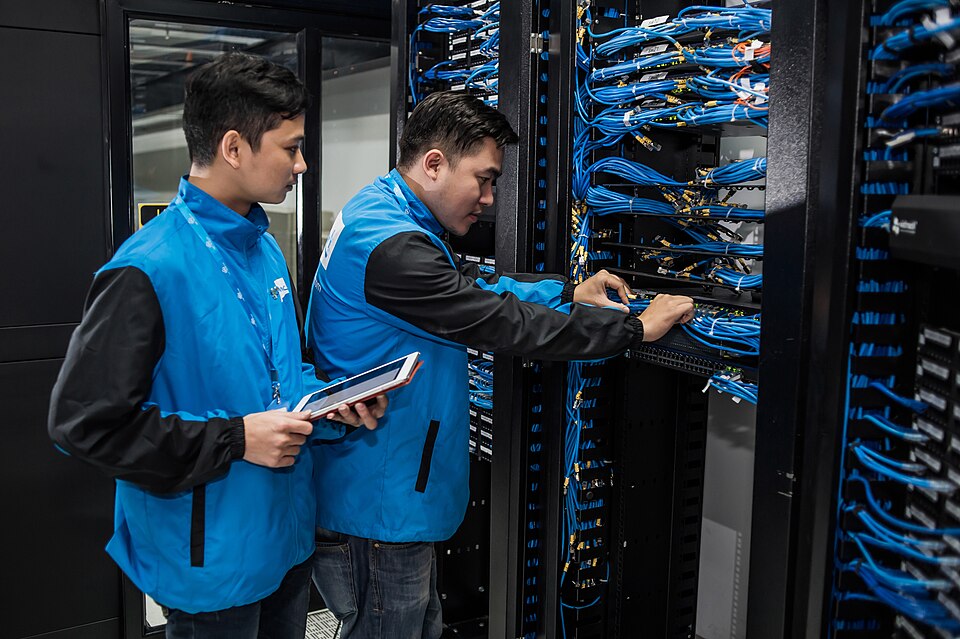
WHY DATA CENTERS ARE UNPOPULAR LOCALLY
The local opposition to data centers is not anti-technology; it is NIMBY (Not In My Backyard) sentiment for specific, tangible reasons:
▸ Power consumption: a large data center can consume as much electricity as a small city, straining local grids and increasing rates for residential customers
▸ Water consumption: data center cooling systems use millions of gallons of water daily, raising concerns in water-stressed regions
▸ Noise: cooling systems produce sustained low-level noise that can affect nearby residents
▸ Traffic: construction and operations generate significant truck traffic
▸ Jobs vs. disruption mismatch: data centers create relatively few permanent local jobs relative to their infrastructure footprint; the community absorbs the cost but captures limited economic benefit
THE POLITICAL MISCALCULATION
The administration’s political calculation was that data centers represent a tangible investment narrative — jobs, infrastructure, technology leadership. The reality is that the local communities where data centers are proposed experience them primarily as industrial intrusions rather than economic benefits. The jobs are often not local; the electricity costs are borne by local ratepayers; the water is drawn from local systems. Republican candidates in competitive House districts are discovering that the data center narrative does not translate into local support.
The administration promotes data centers as economic development. Voters near proposed sites experience them as industrial facilities. The gap between those two things is where the midterm political problem lives.
THE MIDTERM DIMENSION
74 days to the November 3 midterms. Republican candidates in competitive swing districts have to decide whether to align with the administration’s data center advocacy or to respond to local voter concerns. The political calculation: national security and AI leadership arguments may work in general messaging; local data center proposals in specific districts are a local organizing issue for opponents. The district-specific nature of the opposition makes it a significant vulnerability in competitive seats.
| CONFIDENCE: HIGH | Data center voter frustration, political unpopularity, and PBS reporting are from confirmed reporting. Local opposition reasons (power, water, noise, jobs) are from established data center community opposition documentation. |
SOURCES
▸ PBS — data center voter frustration, AI infrastructure midterm politics, August 2026