
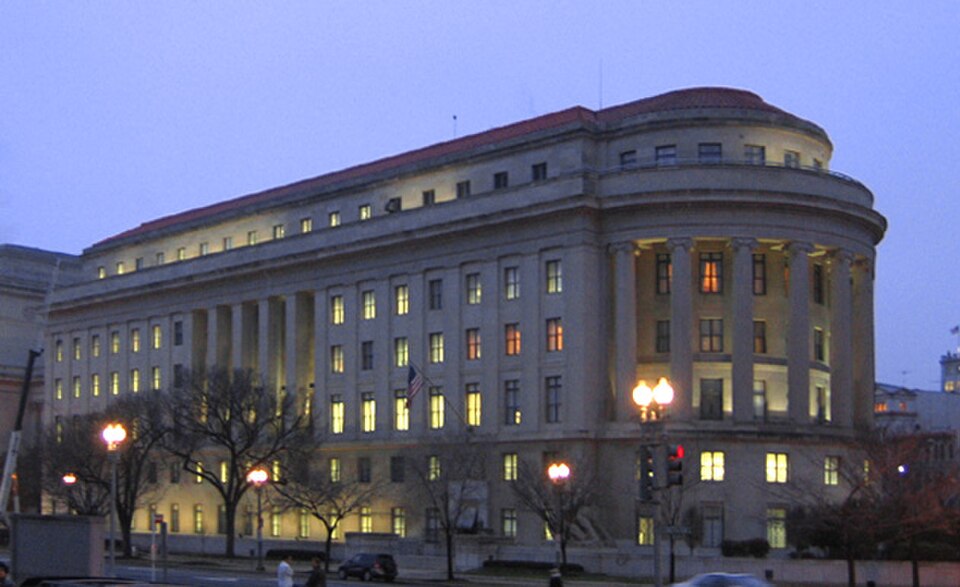
The Federal Trade Commission formally warned businesses against adjusting prices based on analysis of a customer’s personal data, according to CBS News, stating the practice could violate consumer protection law. The FTC’s warning is aimed at the increasingly common practice of algorithmic personalized pricing — using data about a customer’s purchasing history, location, device, browsing behavior, and inferred income level to set prices individually rather than at a uniform rate.
WHAT PERSONALIZED PRICING IS AND HOW COMMON IT IS
Personalized pricing — also called first-degree price discrimination — is the practice of charging different customers different prices for the same good or service based on assessments of what each customer will pay. It is distinct from: regional pricing differences (same price for all customers in the same market); sale pricing (lower price available to all who use a coupon or code); and loyalty pricing (lower price for customers who opt into a program). Personalized pricing uses individual data to set prices that customers may not know are different from what others are paying.
The practice is more common than most consumers realize:
▸ Airlines dynamically price tickets based on browsing history, device type, and purchase timing
▸ Online retailers use location and device data in pricing algorithms
▸ Streaming and subscription services have offered different introductory prices based on account history
▸ Insurance and financial products use data-driven assessments that effectively produce individualized pricing
THE LEGAL FRAMEWORK
The FTC’s warning is based on the FTC Act’s prohibition on unfair or deceptive practices. The FTC is asserting that personalized pricing based on personal data can be:
▸ Unfair: if consumers cannot reasonably avoid the pricing differential and it causes harm they would not consent to
▸ Deceptive: if the pricing appears to be standard but is actually individualized based on data the consumer is unaware is being used
The FTC’s warning is not a rule with automatic legal consequences; it is a policy statement that signals enforcement priorities. Companies that engage in personalized pricing based on personal data are now on notice that the FTC considers the practice legally risky.
The price you see for the same flight, the same hotel, the same product may not be the price the person next to you sees. The FTC is now formally saying that using your data to set that different price may be illegal.
THE MARYLAND DATA PRIVACY PARALLEL
Today’s FTC warning connects to the Maryland data privacy law story covered in Section A Story 3: both involve the commercial use of personal data in ways that consumers may not know about and cannot meaningfully consent to. The FTC’s warning addresses the pricing use of personal data; Maryland’s law addresses the sale of personal data to enforcement agencies. Both are aspects of the same underlying policy question: when and how can personal data be used in ways that affect the people it describes?
| CONFIDENCE: HIGH | FTC warning on personal data-based pricing and potential consumer protection law violation are from CBS News confirmed reporting. Description of personalized pricing practices is from established technology and retail journalism. |
| ⚖️ BIAS CHECK — WHO IS SAYING WHAT | |
| FTC | Signaling enforcement priorities; the warning has legal force as notice that the FTC is watching, not as a rule with automatic consequences |
| Retailers and E-commerce | Will assess whether their specific pricing algorithms trigger the FTC’s concerns; expect legal reviews of pricing data practices |
| Consumers | Have limited visibility into whether they are subject to personalized pricing; the FTC’s warning does not immediately give consumers new information about specific companies |
| Privacy Advocates | Will push for the FTC’s warning to be formalized into a rule with enforcement authority |
SOURCES
▸ CBS News — FTC personal data pricing warning, August 2026