
The growing population of wild horses on federal lands in Colorado is depleting natural resources, according to US officials, prompting the Bureau of Land Management to conduct roundups moving mustangs to temporary holding facilities, according to NPR. Animal welfare activists argue the roundup methods themselves cause unnecessary harm to the horses. ONYX covers both dimensions: the genuine conservation problem of overpopulated horse herds on rangeland, and the legitimate welfare concerns about the methods used to address it.
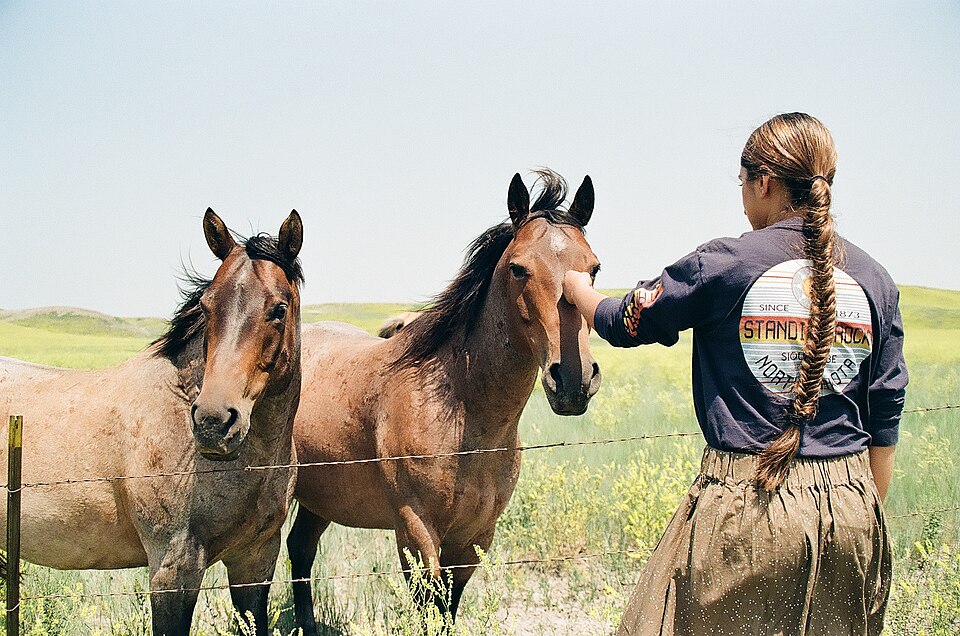
THE CONSERVATION DIMENSION
Wild horses on federal rangeland are protected by the Wild Free-Roaming Horses and Burros Act of 1971, which gave them specific legal protection from removal. The specific conservation problem: without predators (wolves and mountain lions cannot control horse populations at the scale needed), wild horse populations grow approximately 20% per year. Colorado’s rangeland has a specific carrying capacity — the number of horses the vegetation can sustain without degradation. When populations exceed carrying capacity, horses overgraze, soil erodes, and the rangeland is damaged for years. Sage grouse, pronghorn, and other native species lose habitat to overgrazing.
THE WELFARE DIMENSION
BLM roundup methods use helicopters to drive horse herds to capture facilities. Animal welfare advocates document specific harms: horses run long distances at high speed in extreme heat; older horses, foals, and pregnant mares are particularly vulnerable; injuries occur in the chaos of roundup and capture; temporary holding facilities have been cited for inadequate space and care. The BLM argues roundups are necessary and conducted within welfare guidelines; advocates argue the guidelines are insufficient.
The specific welfare alternative advocates propose: fertility control vaccines (PZP) that prevent reproduction without removing horses from their habitat. BLM has used PZP in some contexts; advocates argue it has not been deployed at sufficient scale to address population growth without removals.
The horses are eating the land down to nothing. The roundups hurt the horses. Both things are true. The policy question is which harm is more acceptable, and whether there is a third option that avoids both.
THE LEGAL PROTECTION PARADOX
The 1971 Wild Free-Roaming Horses and Burros Act’s protection has created a specific policy paradox: horses cannot be removed without BLM action; their population grows without predators; and the rangeland’s capacity is finite. The protection that was meant to preserve wild horses is contributing to conditions that make the rangeland unsustainable for wild horses at large numbers. The paradox has not been legislatively resolved.
| CONFIDENCE: HIGH | Colorado wild horse depletion of federal land, BLM roundups, and activist welfare concerns are from NPR confirmed reporting. Wild horse population growth rate (~20% annually) and 1971 Act provisions are from established BLM documentation. |
SOURCES
▸ NPR — wild horses Colorado federal land BLM roundups, activists, August 22, 2026
▸ Wild Free-Roaming Horses and Burros Act of 1971 — established federal law