The Strait of Hormuz — the narrow maritime chokepoint through which roughly a fifth of the world’s petroleum flows — has seen a notable uptick in transits in recent days after Tehran authorized roughly 30 vessels to cross, Iranian state media reported. The move comes amid a fraught maritime standoff that has pitted U.S. naval operations against Tehran’s stepped-up control of the waterway, even as diplomatic pressure from regional and global powers mounts to keep commerce moving.
What changed: authorization and select clearances
Iran’s newly formed Persian Gulf Strait Authority and the naval arm of the Islamic Revolutionary Guard Corps (IRGC) have been enforcing a policy this spring that requires all vessels to obtain Tehran’s approval before transiting the strait. Since Wednesday, Iran’s state television said, about 30 ships were allowed passage after receiving authorization — a marked increase from the sharply reduced traffic recorded in the weeks before.
The IRGC maintained its hard line: “hostile ships” would be denied passage, and vessels linked to nations Tehran views as adversaries remain subject to inspection or refusal. Still, Tehran appears willing to clear certain commercial vessels, particularly those tied to countries engaged in active diplomacy with Iran.
High-profile transits: China, Japan, India
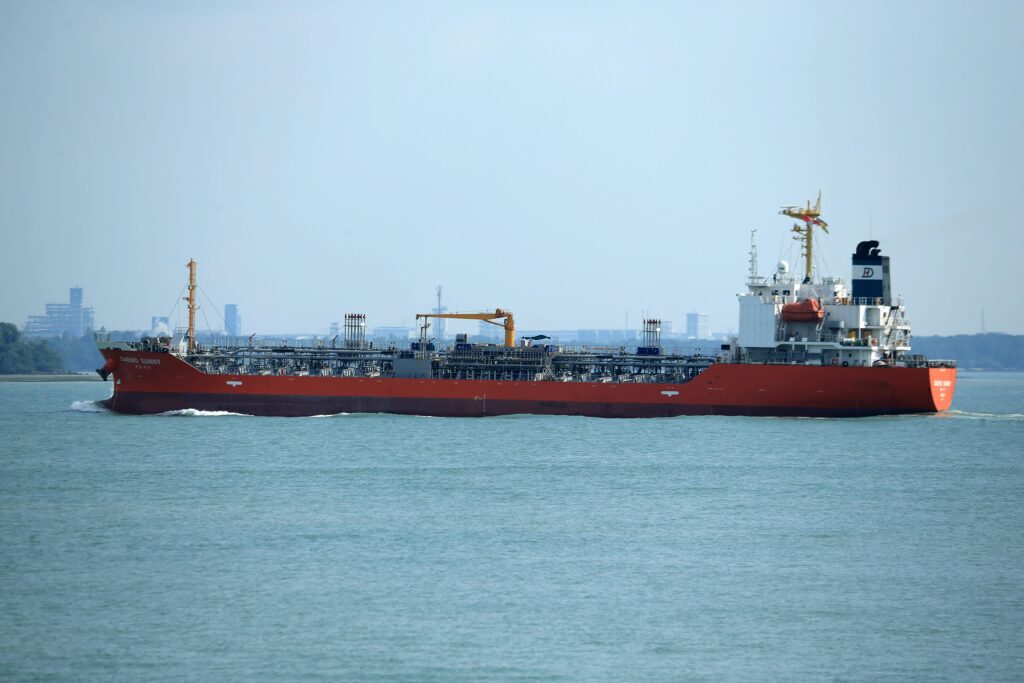
Among the vessels permitted were the Chinese supertanker Yuan Hua Hu, a very large crude carrier loaded with nearly two million barrels of crude, which skirted near Larak Island before entering the Gulf of Oman, according to ship-tracking data. Iran’s semi-official Fars News Agency reported that Beijing coordinated access through diplomatic channels, noting arrangements involving Chinese Foreign Minister Wang Yi and ambassador Cong Peiwu.
Japan also saw a delicate passage: the VLCC Eneos Endeavor — linked to ENEOS Holdings — exited the Persian Gulf after a period during which it stopped transmitting its position. The ship had been loading crude at ports in the United Arab Emirates and Kuwait since February, later going dark for roughly two days and reappearing in the Gulf of Oman.
Two liquefied petroleum gas carriers headed to India, the Symi and NV Sunshine, transited with their transponders switched off, according to Bloomberg and Anadolu Agency. The Symi carried Qatari fuel to Kandla; the NV Sunshine loaded LPG at Abu Dhabi’s Ruwais and was bound for India’s west coast. Those passages pushed the tally of major oil, fuel, and gas carriers leaving via Hormuz since Sunday to at least nine.
Why ships go dark
Commercial vessels sometimes switch off automatic identification system (AIS) transponders to avoid tracking in high-risk areas or during dark cargo operations. While doing so can be lawful in limited circumstances, in conflict zones it raises safety concerns and complicates maritime situational awareness for naval forces, insurers, and port authorities. In this case, several vessels’ darkened transponders reflected the tense environment and the desire of operators to minimize exposure while completing deliveries.
Dueling blockades and the battle of narratives
The uptick in authorizations comes against a backdrop of competing accusations. Iran’s Foreign Minister Abbas Araghchi, speaking at a BRICS foreign ministers’ meeting, denied Tehran was blocking the strait and accused the United States of imposing an “illegal blockade,” calling for its removal. Washington, however, says it is enforcing a naval embargo on Iranian ports to pressure Tehran over a broader regional conflict. Since initiating its measures on April 13, U.S. Central Command reported redirecting 67 commercial vessels, permitting 15 humanitarian transits, and disabling four ships.
Before the most recent hostilities, roughly 138 vessels transited the strait daily; in the week before May 3 that number fell to about 40, according to maritime intelligence firm Lloyd’s List. The recent Iranian clearances signal an attempt to rebalance that disruption, though commercial operators and insurers remain wary.
Geopolitical calculation: diplomacy, deterrence, and commerce
Iran’s selective approvals reflect several overlapping calculations. Tehran benefits politically and economically by showing it can control the strait while claiming it does not intend to choke global trade. Allowing Chinese and Japanese tankers — both linked to nations conducting quiet diplomacy with Tehran — provides leverage and reaffirms relationships. For Beijing, ensuring crude flows matters both for domestic energy security and its broader regional influence; for Tokyo and other Asian buyers, access to Gulf supplies is critical.
On the other side, U.S. naval operations aim to limit Iran’s ability to export or otherwise use sea lines of communication for strategic advantage. The U.S. blockade, and reported ship disruptions, are intended to squeeze Tehran but come with risks: escalation at sea, interruptions to global energy markets, and increased insurance costs that ripple through global shipping and commodity prices.
Commercial impacts and market implications
So far, the recent transits have reduced some localized bottlenecks, but shipping firms remain cautious. Vessels that went dark or required special clearance face higher insurance premiums and logistical delays. Charterers and refiners may shift sourcing or routing to manage risk and costs, potentially favoring longer routes outside the Arabian Sea and Red Sea if the situation continues to deteriorate.
Energy markets typically price geopolitical risk into oil and gas futures; the disruption and uncertainty in Hormuz can add a premium to Brent crude. But targeted clearances of specific carriers suggest Iran is also mindful of the reputational and practical costs of a full blockade, particularly if China and other big buyers push for steady flows.
What to watch next
- Diplomatic pressure from China, Japan, India, and European states seeking to protect commerce and energy supplies.
- Further transits and whether Iran continues to permit vessels tied to certain states while denying others.
- U.S. naval moves: any escalation or changes in rules of engagement that could affect commercial traffic.
- Insurance and chartering trends: higher premiums or route shifts would signal sustained commercial disruption.
- Market reactions in oil and LPG prices if transits falter or a significant incident occurs.
Bottom line
The authorization of roughly 30 vessels marks a cautious reopening of the Strait of Hormuz for selective commercial traffic, driven by diplomatic engagement and Tehran’s strategic calculations. While not an all-clear for shipping, the movement indicates Iran’s willingness to manage flows amid confrontation with U.S. forces — a delicate balance that keeps global markets and maritime insurers on alert.