The closure of the Strait of Hormuz has triggered a deepening oil and LPG crisis that is hitting India hardest — from spiking import bills and record rupee weakness to fuel-seller losses and looming inflation — even as U.S. officials warn a military option remains possible alongside last-minute diplomacy.
Introduction
The world’s energy arteries have constricted, and India — heavily dependent on Gulf supplies — is now confronting a months-long shock that is reshaping household budgets, corporate margins, and macro forecasts. With tanker traffic through Hormuz drastically reduced, global crude and retail fuel prices surged, while Indian authorities and oil firms scramble to shield consumers and stabilize markets.
Economic impact on India
- Import exposure: India imports about 90% of its crude and a large share of its LPG, so any Strait disruption immediately amplifies import bills and the trade deficit.
- Currency pressure: The rupee has fallen to record lows as the country pays more dollars for energy, increasing inflationary pressure and making external financing costlier.
- Corporate losses: State and private oil marketing companies are absorbing price rises to keep pump prices steady, incurring tens of thousands of crores in losses.
- Growth risks: Economists and brokerages have trimmed growth forecasts for 2026–27, warning of stagflation risks if the shock persists.
Household and business fallout
- Fuel and cooking fuel strain: Retail fuel may be temporarily capped, but LPG shortages and higher cooking gas costs are hitting households and small businesses, forcing restaurants and certain manufacturers to cut operations.
- Consumer pain: Higher transport and input costs feed into food and services inflation, eroding purchasing power and consumer confidence.
- Sector stress: Energy-intensive sectors — ceramics, food processing, and logistics — are reporting reduced activity or shutdowns, shrinking near-term employment and output.
Global market dynamics
- Price surge: Brent crude and other benchmarks jumped sharply after the strait effectively closed, with physical shortages at times pushing premiums far above futures.
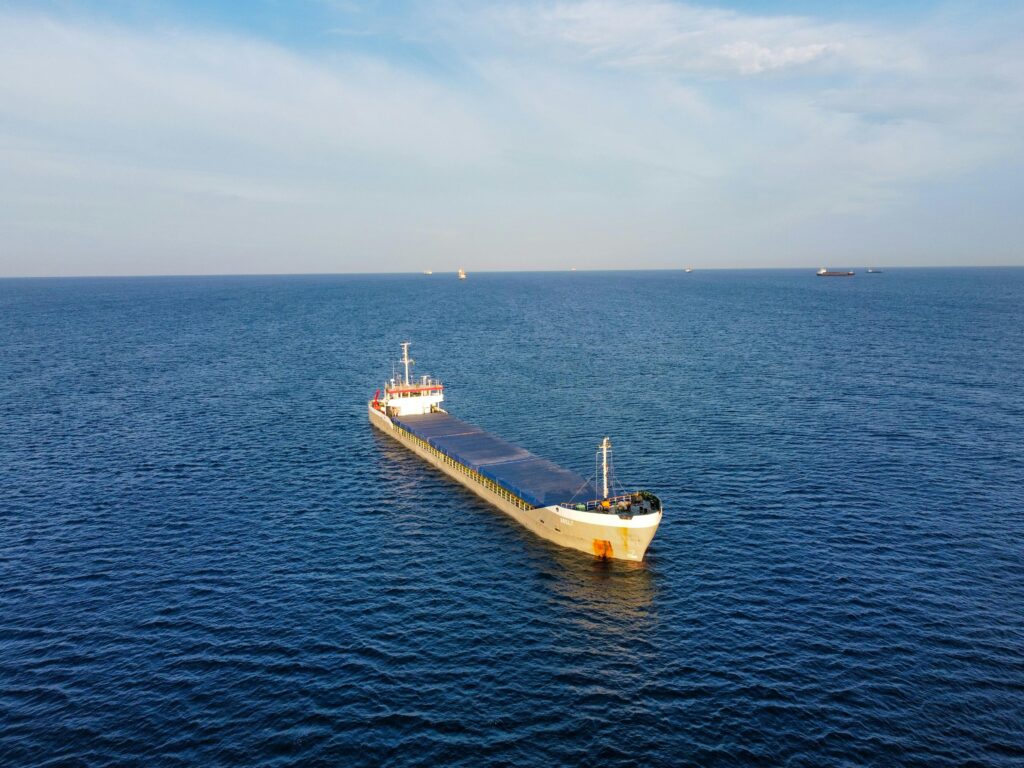
- Shipping logjam: Thousands of vessels have been affected, delaying cargoes and creating a disconnect between spot physical prices and benchmarks.
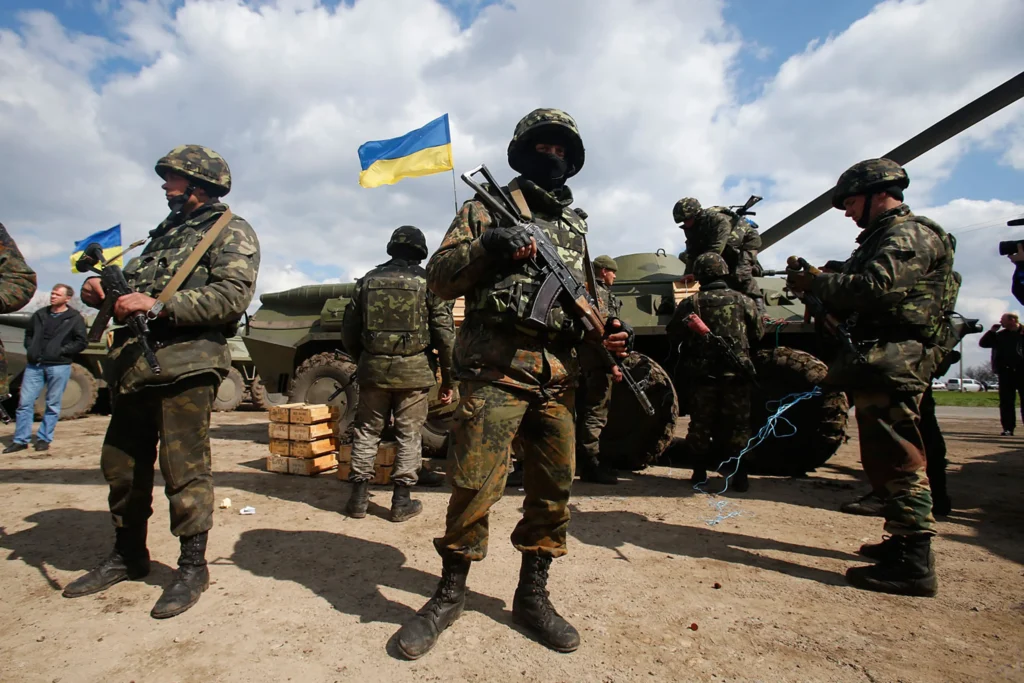
- US and global response: U.S. officials have signaled that diplomacy could succeed quickly, but they haven’t ruled out military force to reopen the waterway, a step described as complex and risky.
United States: prices and policy
- Retail gasoline: U.S. pump prices rose to multi-year highs as crude rallied, increasing political pressure domestically while policymakers weigh options to stabilize markets.oilprice
- Military warning: Senior U.S. energy and defense figures have said force is a possible option to ensure free navigation if Iran continues to block traffic; simultaneously, negotiators say a diplomatic settlement could yet emerge quickly.
Possible scenarios and timelines
- Short diplomatic fix: A ceasefire or negotiated arrangement could reopen the strait within weeks, easing premiums and allowing exports to resume, though mines and wreckage could slow full normalization for months.
- Limited military action: A targeted operation to clear shipping lanes is technically feasible but costly and dangerous, potentially sparking wider escalation and slowing commercial traffic recovery.
- Prolonged closure: If the disruption lasts many months, expect sustained high oil prices, deeper rupee depreciation, fiscal strain, and more aggressive monetary tightening to fight inflation.
What policymakers and companies are doing
- Price cushions: Indian oil firms have been absorbing cost increases to keep retail prices stable, using reserves and subsidies where possible — a stopgap that drains corporate balance sheets.
- Demand measures: Government messaging urges conservation (work-from-home, carpooling, public transit) to reduce immediate fuel demand and stretch supplies.
- Strategic options: Authorities may tap strategic petroleum reserves, redirect imports from alternate routes or suppliers, and consider targeted fiscal or tax changes if the crisis deepens.
Practical tips for readers
- Conserve fuel: Combine trips, use public transport, and batch errands to reduce consumption.
- Budget for higher prices: Expect higher household bills for cooking and transport; adjust monthly spending plans accordingly.
- Follow official updates: Watch for announcements on fuel allocation, subsidy changes, or rationing measures.
Illustration example
Imagine a Mumbai household where cooking gas deliveries are delayed and petrol prices are frozen at retail pumps while companies eat the margin. Over a month, grocery bills climb as transport costs rise, and a small bakery cuts hours because LPG deliveries are inconsistent — that micro story reflects the macro chain of shocks now playing out across India.
Closing analysis
The Hormuz shutdown has exposed how tightly global geopolitics and everyday economics are linked: a strategic choke point can quickly translate into lost growth, weaker currency, and squeezed households half a world away. India’s immediate policy toolkit — reserves, demand management, and corporate support — can mute the shock short-term, but a lasting resolution hinges on whether diplomacy defuses the standoff or whether military action, with its risks, becomes the path to reopen the strait.bbc+2