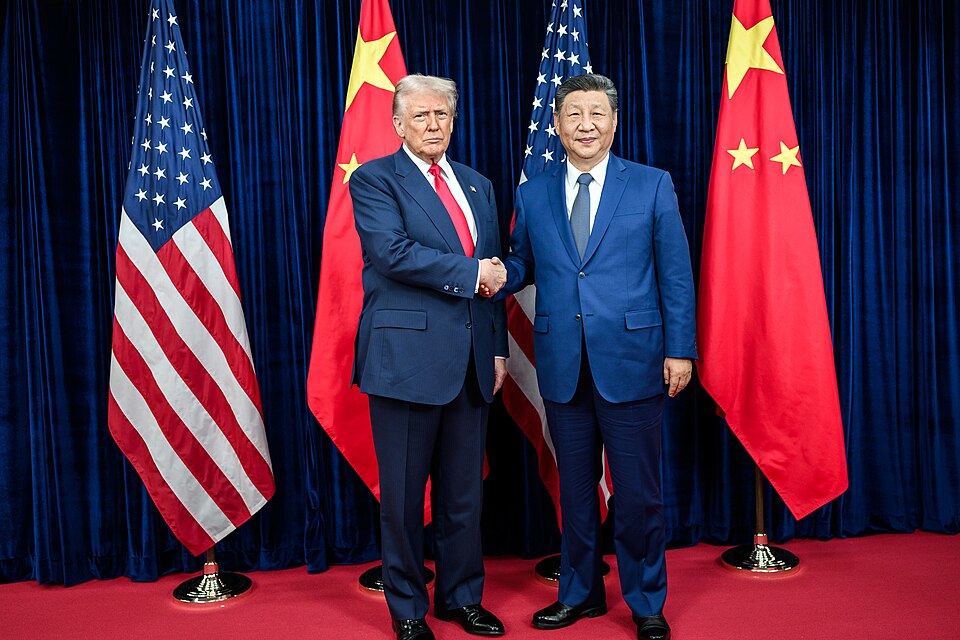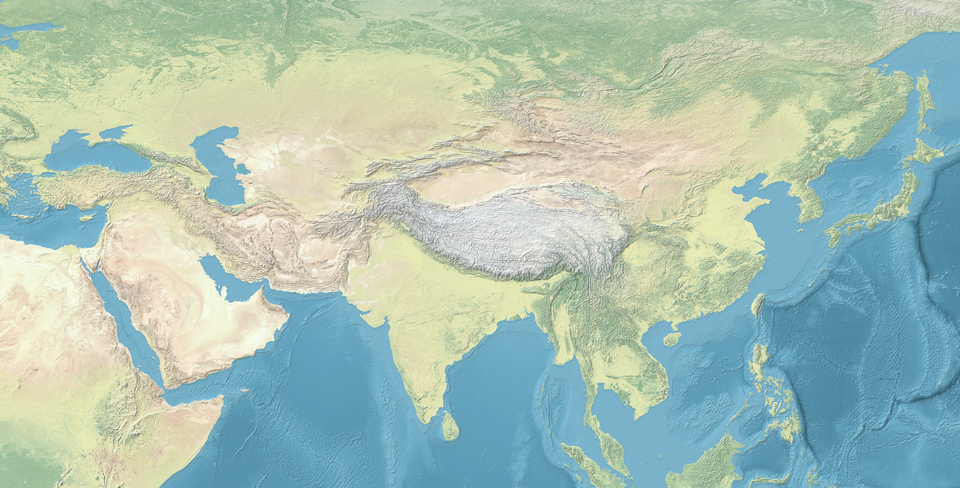
The SCO summit in Bishkek comes amid what multiple outlets describe as a genuine ‘tentative thaw’ in China-India relations following years of tension along the disputed Line of Actual Control (LAC) — the unmarked border between the two countries in the Himalayan region. The LAC tensions peaked in 2020 with the Galwan Valley clash that killed soldiers on both sides and produced years of diplomatic frost.
THE LAC CONTEXT
The Line of Actual Control is the de facto border between India and China in the Himalayan region. It is called the Line of Actual Control because both countries have different interpretations of where the actual border lies; neither accepts the other’s claim entirely. The 2020 Galwan clash was the first LAC deaths in 45 years and produced a genuine diplomatic rupture: India banned Chinese apps, restricted Chinese investment, and reduced diplomatic engagement.
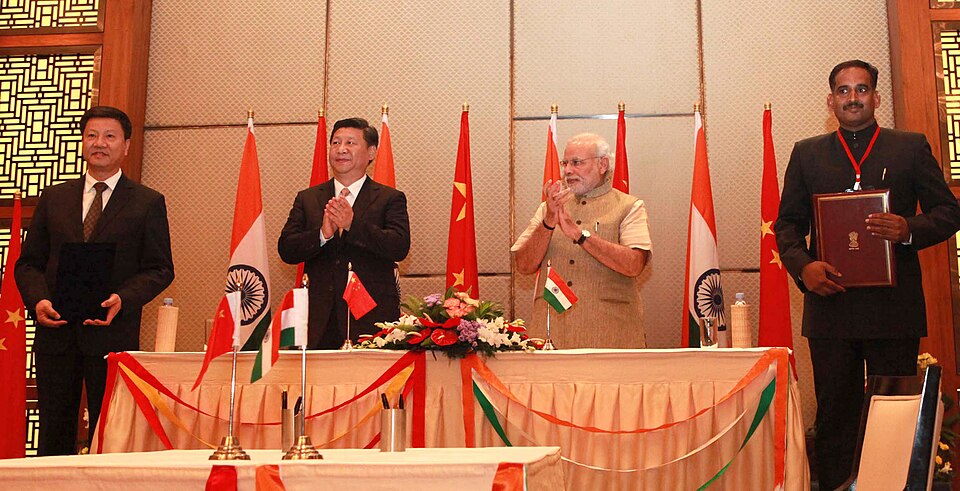
The ‘tentative thaw’ described by multiple outlets reflects: ongoing buffer zone disengagement agreements at specific LAC flashpoints; the Modi-Xi Tianjin meeting in September 2025 documented as warm; and continued engagement at SCO summits as both leaders have a structural reason to maintain some relationship.
WHY THE SCO IS THE VENUE
The SCO provides a specific structural benefit for India-China diplomatic normalization: it is a venue where both leaders are present without either side having specifically arranged a bilateral, which gives both domestic political cover for engagement. Modi meeting Xi at an SCO summit is less politically visible domestically than Modi traveling to Beijing for a bilateral, or hosting Xi in New Delhi.
India and China both claim territory the other says is theirs. Soldiers from both countries died fighting over it five years ago. Now they are warming up in a shared multilateral platform. That is how post-conflict diplomacy often works: slowly, through intermediary venues, without either side publicly acknowledging how much it wants the relationship to work again.
THE US STRATEGIC DIMENSION
A genuine India-China diplomatic recalibration has specific implications for US strategy in the Indo-Pacific. The Quad — the US-Japan-Australia-India security partnership — is explicitly designed around the premise that India is a partner in managing China’s regional assertiveness. An India-China bilateral thaw is not a Quad departure, but it reduces the urgency and sharpness of India’s willingness to participate in explicitly anti-China coalitions.
WHAT HAPPENS NEXT
▸ Modi-Xi bilateral margin meeting — whether a formal bilateral is announced at or following the SCO
▸ LAC disengagement progress — whether buffer zone agreements expand to additional flashpoints
▸ Quad participation — whether India’s warmer China relationship affects its Quad engagement
▸ US response — whether the thaw produces any adjustment in US-India relationship management
| CONFIDENCE: HIGH | India-China tentative thaw after LAC tension, Modi-Xi Tianjin September 2025 meeting, SCO as diplomatic venue are from confirmed multiple outlet reporting. |
SOURCES
▸ Confirmed reporting — India China LAC thaw SCO summit Modi Xi, September 2, 2026