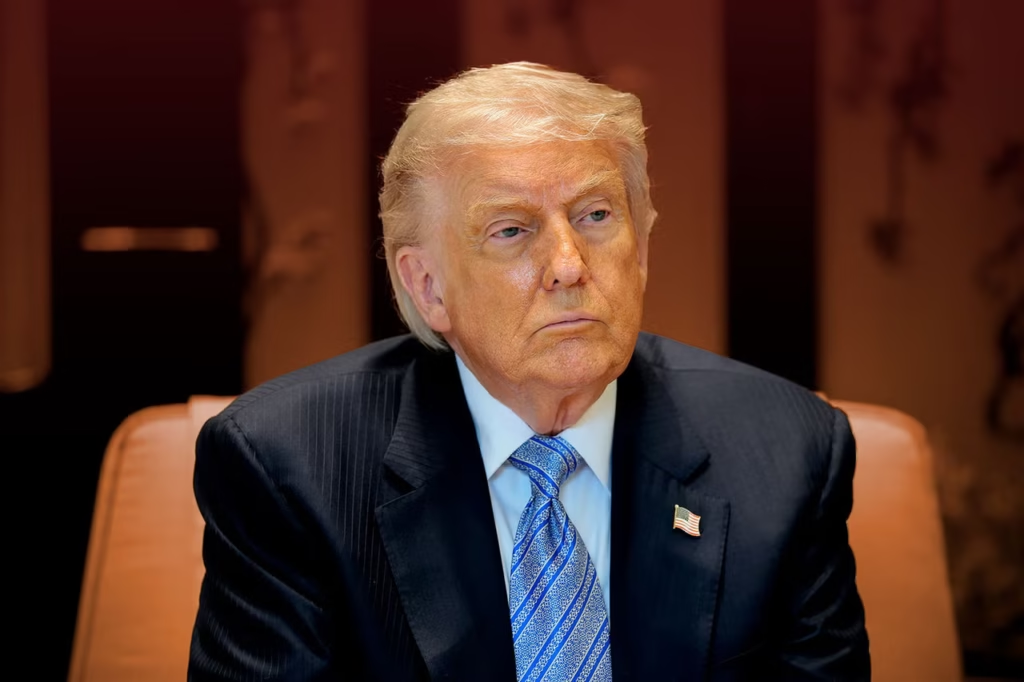
The Trump-Vance contradiction matters internationally in a specific way: international law has different frameworks for wars vs. non-wars. If the conflict is a war, the Geneva Conventions and their full Additional Protocols apply in their complete form; accountability mechanisms including the International Fact-Finding Commission under the Geneva Conventions are potentially activatable. If it is ‘not a war,’ the legal framework is different, and Vance’s characterization could be used to argue that the full wartime accountability framework does not apply to Kuhestak.
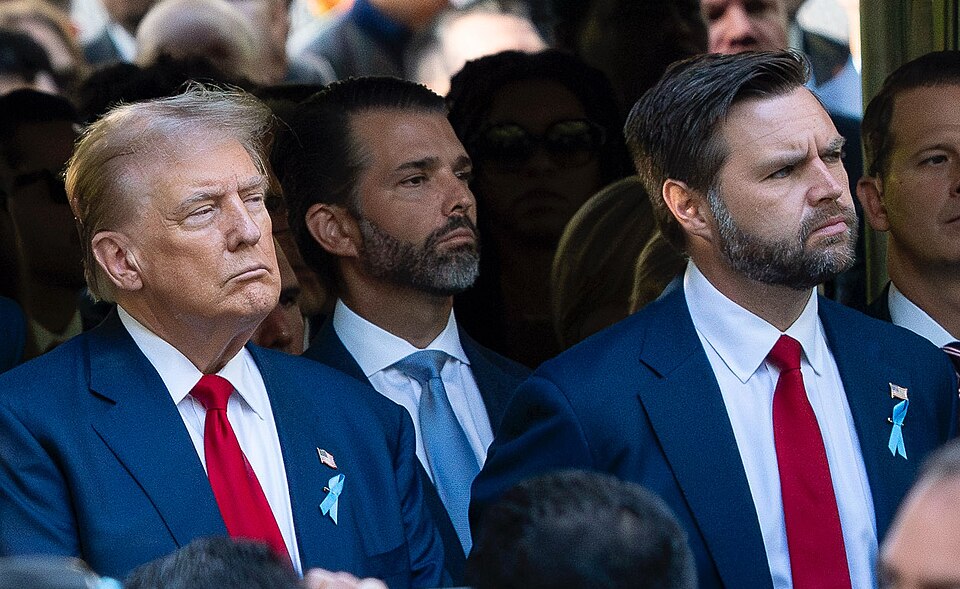
THE SPECIFIC TENSION
On the day the international community is scrutinizing the Kuhestak wedding strike, the administration is simultaneously:
▸ Claiming maximum military authority (‘anytime we want’) — implying ongoing armed conflict
▸ Declining to characterize the conflict as a ‘war’ — potentially reducing the accountability framework
▸ Defending the military strike posture that produced Kuhestak while questioning whether Kuhestak happened as Iran describes
Maximum military authority. Minimum accountability framework. Both claimed simultaneously on the day the world is asking what happened to a wedding in Kuhestak. The contradiction is the policy.
WHAT HAPPENS NEXT
▸ Congressional War Powers challenge — whether Vance’s ‘not a war’ statement prompts formal invoking of the War Powers Resolution
▸ Kuhestak accountability — whether the ‘not a war’ framing is used to deflect international accountability mechanisms
▸ Administration messaging coordination — whether the Trump-Vance contradiction is corrected publicly
| CONFIDENCE: HIGH | Trump ‘anytime we want’ and Vance ‘extremely skeptical’ / ‘not a war’ from CBS News. International legal accountability framework analysis from ONYX editorial. |
SOURCES
▸ CBS News — Trump Vance Iran contradiction, September 4, 2026