Hurricane Marie, positioned well out in the Pacific Ocean, created dangerous surf and flooding conditions along Southern California beaches over the Labor Day weekend, according to AP reporting. National Weather Service meteorologist Rose Schoenfeld confirmed the conditions were ‘life-threatening’ for swimmers and surfers. The storm never approached California’s coastline. Its existence hundreds of miles offshore was sufficient to produce deadly conditions at California beaches.
THE SCIENCE
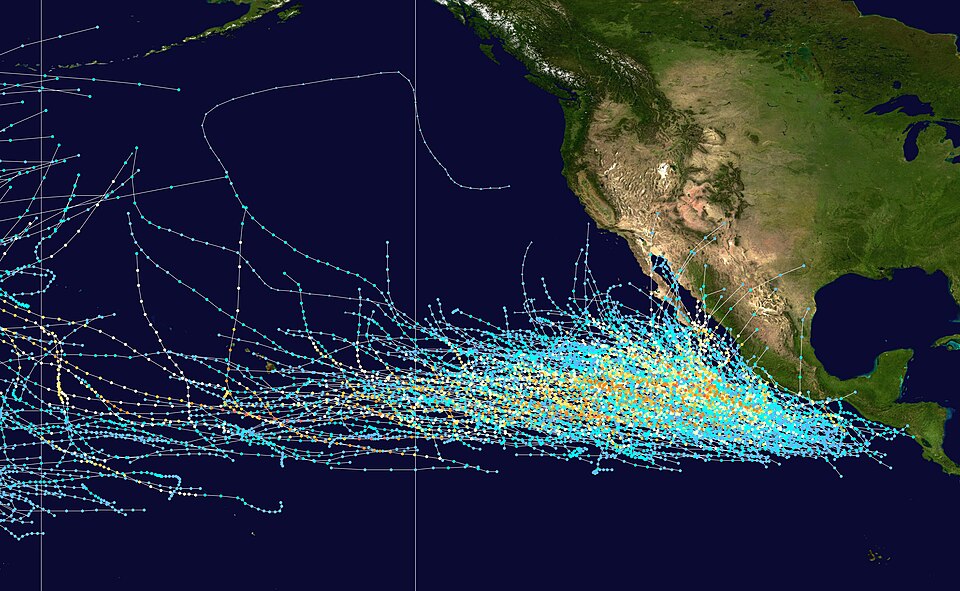
The mechanism: hurricanes generate significant ocean swell — long-period waves that travel thousands of miles across open ocean without losing energy. These swells arrive at coastlines as large, powerful waves regardless of whether the storm itself approaches land. Hurricane swell from Pacific storms regularly affects the California coast; the specific size and period of Labor Day’s swell, generated by Marie, produced beach conditions that the National Weather Service categorized as life-threatening.
The risk: long-period swell creates unpredictable surge and sweep — waves that can suddenly appear larger and more powerful than the baseline conditions suggest, catching swimmers and beach visitors without warning. Beaches with significant swell can be safe to walk near and dangerous to enter the water.
The storm was hundreds of miles away. The beach was still deadly. That is not a paradox; it is oceanography. The swell arrives before the storm. Sometimes the storm never arrives at all, and the swell is its only signature on the coast.
| CONFIDENCE: HIGH | Hurricane Marie Pacific Ocean life-threatening surf conditions Southern California Labor Day, NWS meteorologist Rose Schoenfeld confirmation, AP reporting are from confirmed reporting. |
SOURCES
▸ AP — Hurricane Marie Pacific California beaches Labor Day life-threatening, September 7, 2026