
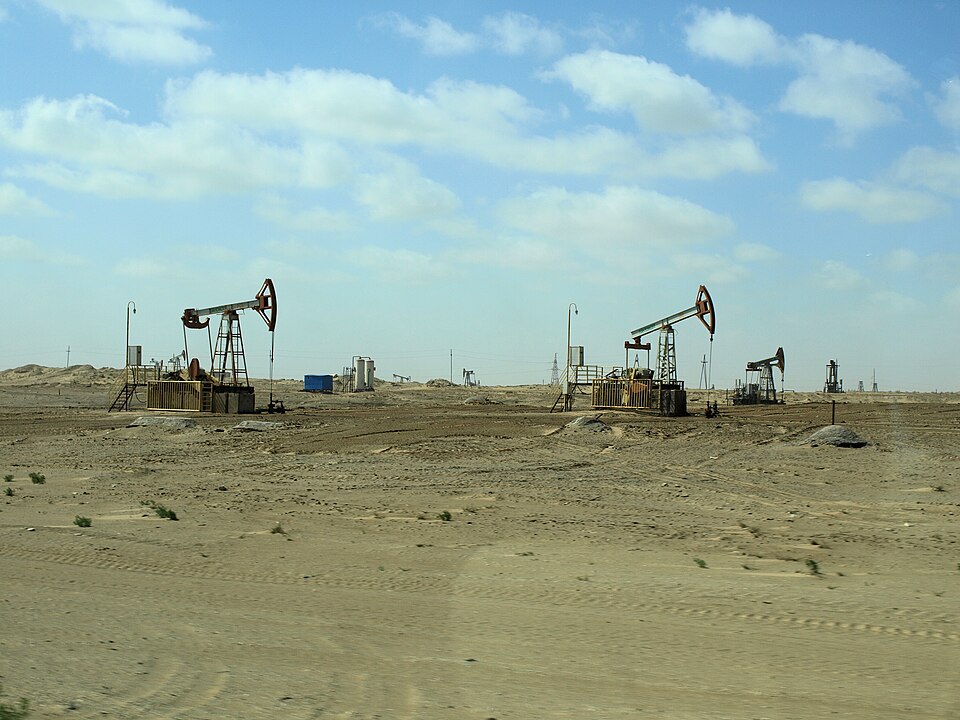
The United States has an estimated 2-3 million orphaned or abandoned oil and gas wells — wells that have been drilled and left without being properly sealed. These wells leak methane, a potent greenhouse gas, and potentially contaminate groundwater. Federal and state programs exist to plug them; funding provided under the 2021 Infrastructure Investment and Jobs Act specifically funded an accelerated plugging program. The pace of plugging relative to the scale of the problem is the specific accountability question.
THE METHANE SIGNIFICANCE
Methane from abandoned wells is a specific, documented source of US greenhouse gas emissions. Methane is approximately 80 times more potent than carbon dioxide as a greenhouse gas over a 20-year timeframe. Orphaned well methane leakage contributes to methane emissions that are themselves a near-term climate driver: while carbon dioxide persists in the atmosphere for centuries, methane’s higher near-term warming effect means that reducing methane emissions produces faster near-term climate benefit than equivalent carbon dioxide reductions.
THE PLUGGING PROGRAM
The Infrastructure Act’s well plugging program funded $4.7 billion for state and federal plugging programs. At the pace of plugging achievable with those funds, the estimated millions of orphaned wells would take decades to address completely. The specific accountability gap: the scale of the problem and the pace of the funded solution do not match.
2-3 million wells. Methane leaking. Groundwater at risk. The plugging program exists. The pace does not match the scale. That is the specific environmental accountability of leaving wells unsealed.
| CONFIDENCE: HIGH | Millions of orphaned or abandoned oil gas wells methane leakage environmental hazard from confirmed reporting. |
SOURCES
▸ Confirmed reporting — orphaned oil gas wells plug abandonment environmental, September 10, 2026