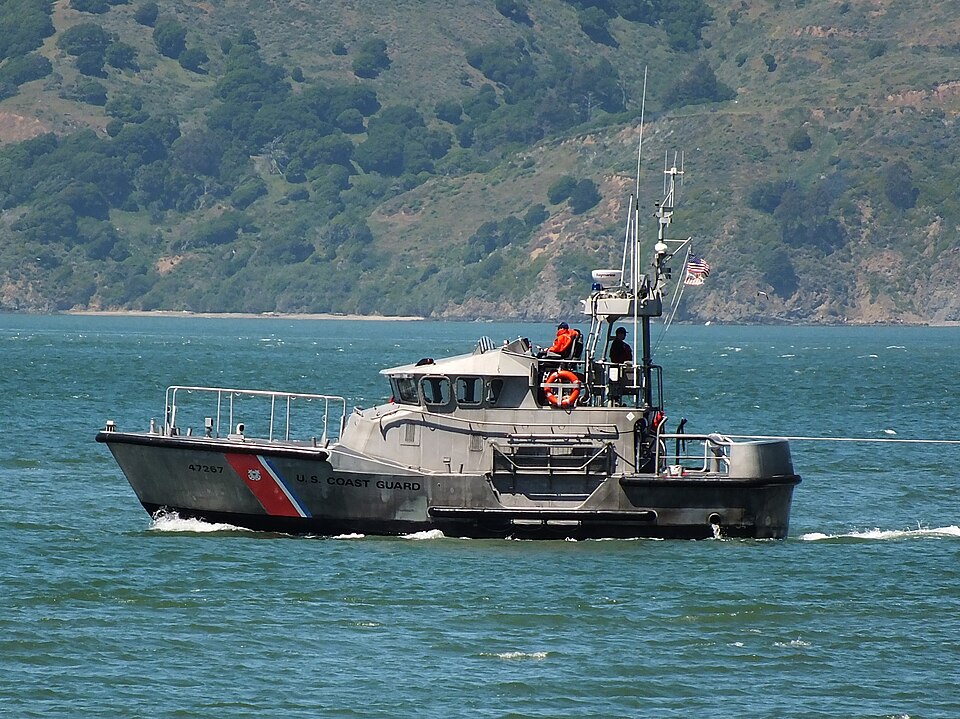
US Coast Guard personnel and FBI agents boarded two energy tankers bound for Texas after cyberattacks struck the vessels while traveling toward the United States, according to CBS News. The boardings occurred last month — August 2026. The specific nature of the cyberattacks, the specific systems targeted aboard the tankers, and the specific attribution of the attacks are not confirmed in reporting as of this publication.
THE ARC CONNECTION
ONYX has documented a pattern of Iranian-linked cyberattacks since this summer’s water-system breaches. The specific documented progression:
▸ Summer 2026: confirmed Iranian-linked cyberattacks on US water treatment infrastructure
▸ August 2026: two Texas-bound oil tankers hit by cyberattacks at sea; Coast Guard and FBI board
▸ September 11: Iran attacked ten merchant ships near Hormuz — the largest physical shipping assault of the war
The documented pattern: from water infrastructure to commercial shipping at sea to a mass physical assault on merchant vessels. Whether the tanker cyberattacks are Iranian-linked specifically is pending confirmed attribution reporting as it develops; ONYX notes the arc’s pattern without asserting attribution that has not been confirmed.
WHY CYBERATTACKS ON SHIPS MATTER
Modern commercial vessels run on networked navigation, propulsion, and communication systems. A cyberattack on a vessel at sea can compromise:
▸ Navigation systems: GPS and chart systems that determine the vessel’s position and route
▸ Propulsion controls: systems that govern engine speed and direction
▸ Cargo monitoring: systems that track the status of cargo, particularly important for liquid petroleum tankers where temperature and pressure monitoring is safety-critical
▸ Communication systems: the vessel’s ability to communicate with shore, other vessels, and emergency services
A cyberattack on an oil tanker at sea approaching a US port is not an abstract threat. It is a specific safety and security risk to the vessel, its crew, its cargo, and the port infrastructure it is approaching.
THE COAST GUARD / FBI BOARDING
The Coast Guard and FBI boarding of the tankers is a specific operational response: assessing whether the cyberattacks compromised the vessels’ safety systems, documenting the attacks for investigation, and determining whether the vessels could safely proceed to their Texas destination. The joint Coast Guard-FBI boarding reflects both the maritime safety dimension (Coast Guard) and the criminal or national security investigation dimension (FBI).
Two oil tankers headed to Texas were hit by cyberattacks while at sea. The Coast Guard and FBI boarded them. The attacks happened in August. Iranian-linked cyberattacks have been a documented pattern since this summer. Whether these attacks are Iranian-linked is a matter of attribution as it develops. The pattern is documented. The boardings are confirmed.
WHAT HAPPENS NEXT
▸ Attribution — whether US authorities formally attribute the cyberattacks to a specific actor
▸ Maritime cybersecurity — whether the attacks produce formal guidance on vessel cybersecurity
▸ Port security — whether Texas port authorities implemented additional screening following the attacks
| CONFIDENCE: HIGH | Coast Guard and FBI boarded two energy tankers Texas-bound after cyberattacks struck vessels traveling to the United States in August 2026, CBS News confirmed reporting. |
| ⚖️ BIAS CHECK — WHO IS SAYING WHAT | |
| US government (Coast Guard, FBI) | Boarded and investigated; the specific attribution of the attacks is from developing reporting |
| ONYX | Covering the boardings as confirmed; noting the arc pattern of Iranian-linked cyberattacks without asserting attribution that has not been confirmed for the tanker attacks specifically |
SOURCES
▸ CBS News — tanker cyberattacks Texas Coast Guard FBI September 17, 2026