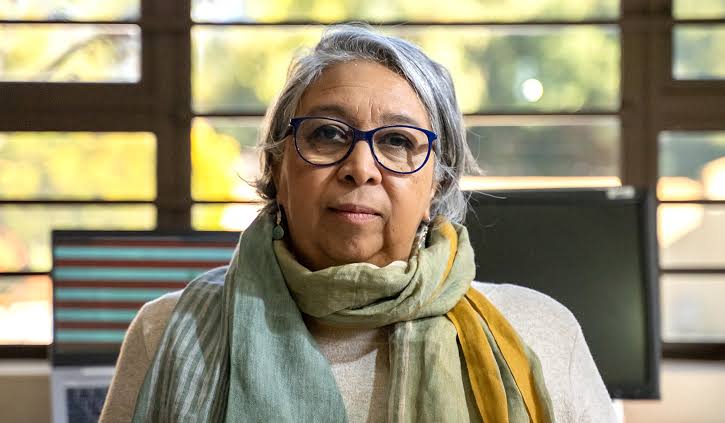
Sabrina Walter, founder of the nonprofit Women For Change, told CNN that South African women have spent years altering routes, avoiding certain travel times, and sharing locations with loved ones just to feel marginally safer. Her specific framing: women have been changing how they live ‘for years just to survive.’
WHAT THIS DOCUMENTS
Walter’s statement documents a specific pattern that predates the Ekurhuleni crisis and will outlast it:
▸ Route alteration: women choosing longer, more public, more visible routes rather than direct routes
▸ Travel time avoidance: not leaving at certain hours regardless of convenience or necessity
▸ Location sharing: actively maintaining contact with other people who know where they are at all times
▸ Purpose: feeling ‘marginally safer’ — not actually safe; marginally safer
ONYX names Walter’s framing precisely: these women are not panicking. They have built sustained, systemic behavioral changes into their daily lives over years as a rational response to a documented threat level. The threat level produced the behavioral adaptation. The behavioral adaptation is the evidence of the threat.
THE CONNECTION TO SECTION A’S POLICE MESSAGING
Section A Story 6 today documented the South African police’s advice that women should not run alone and the advocate response that this blames victims rather than perpetrators. Walter’s statement documents the years of behavioral change that precede and outlast any specific police advisory: women have already been making the behavioral changes the police are now recommending. They have been making them for years. The changes have not made them safe. They have made them marginally safer while they continue to be killed at five times the global average.
South African women have been changing their routes, avoiding certain times, and sharing their locations for years just to feel marginally safer. Marginally safer. Not safe. Marginally. This was before Ekurhuleni. This will be after Ekurhuleni. The behavioral adaptation is the documentation of the threat level. The police told them not to run alone. Women have known that for years. Elizabeth Moselakgomo still went for her run.
WHAT HAPPENS NEXT
▸ Structural response — whether the government implements measures that reduce the underlying threat rather than the behavioral response to it
▸ Women For Change — what specific structural demands Walter’s organization is making
| CONFIDENCE: HIGH | Sabrina Walter, Women for Change, CNN: women altering routes, avoiding travel times, sharing locations; years of ‘changing how we live for years just to survive,’ from CNN-confirmed reporting. |
SOURCES
▸ CNN — Sabrina Walter, Women for Change, September 20, 2026