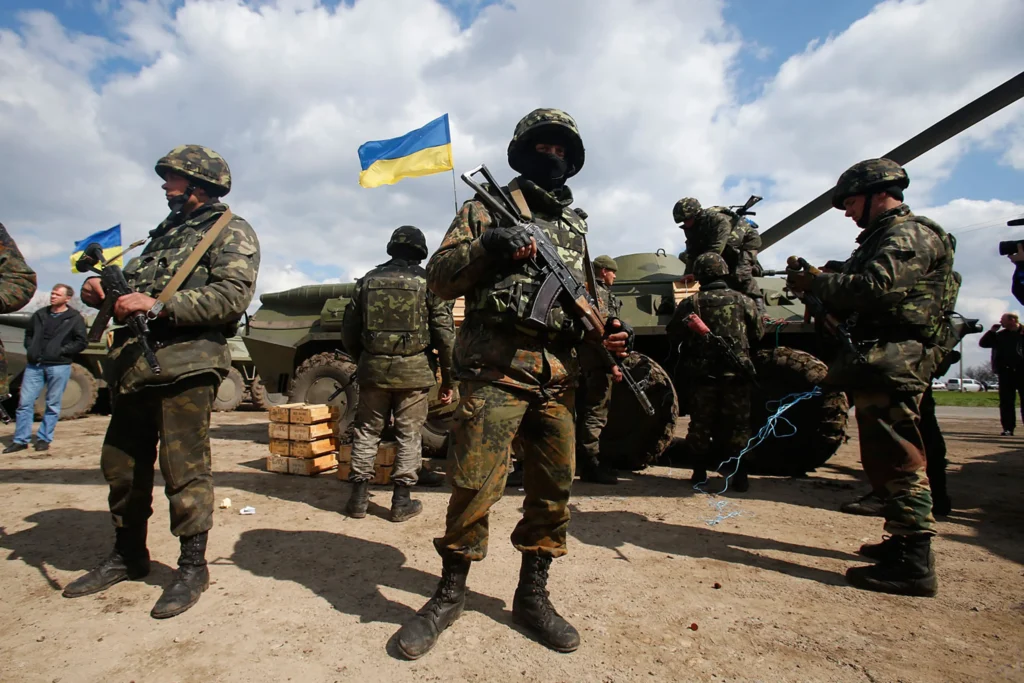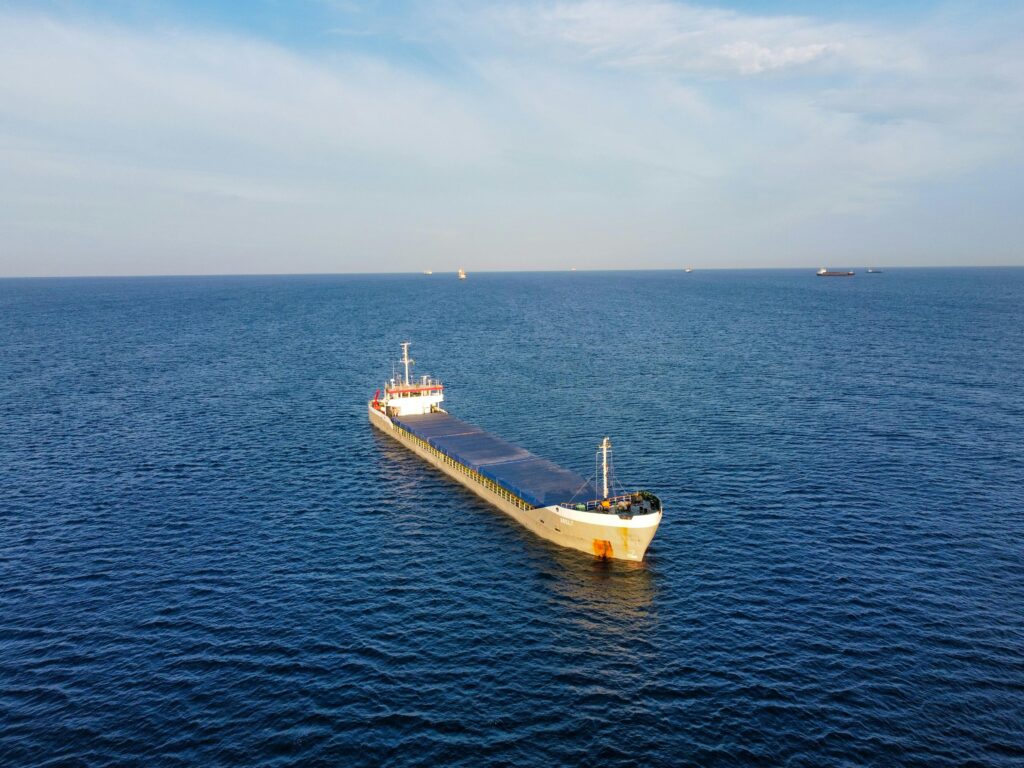
Crude oil prices gained more than 2% as diplomatic efforts to resolve the conflict and reopen the Strait of Hormuz showed no immediate progress. The specific movement context: the deal announcement on September 18 sent oil falling $13 from above $100 to $87. Today’s 2%+ gain on the stalemate news is the market beginning to price back in the risk that October 6 produces expiration rather than extension.
THE ECONOMIC FEEDBACK CHAIN IN REVERSE
ONYX documented the economic transmission chain when the deal was announced on September 17-18. Today that chain runs in reverse:
▸ Deal stalemate documented
▸ Hormuz reopening appears delayed or uncertain
▸ Oil rises 2%+ on reduced supply security expectations
▸ If stalemate persists toward October 6: oil moves toward $100
▸ Oil at $100: energy inflation returns
▸ Fed second rate hike: now back on the table if oil returns to $100
▸ Consumer borrowing costs: rise again
▸ The family paying a variable-rate mortgage is directly affected by whether Iran’s proposal is accepted or rejected
THE QATAR LNG EXCEPTION
Qatar-linked LNG shipments reportedly continued moving through the Strait of Hormuz despite the wider regional conflict. This is a specific exception to the general disruption: Qatar, which hosts the US military’s Al Udeid Air Base — the largest US military base in the Middle East — may have specific arrangements or relationships that allow its LNG shipments to continue. Whether the Qatar LNG exception reflects a bilateral arrangement with Iran, US protection, or other specific conditions is from confirmed reporting. ONYX names it because a partial opening of Hormuz that benefits Qatar but not other shippers is a specific documented fact about how the closure is operating.
THE FED SECOND HIKE VARIABLE
On September 19, ONYX documented that the Fed was signaling a possible pause on its second rate hike because oil had fallen to $87. That signal was contingent on the deal holding. With oil rising 2%+ today on stalemate news, the specific condition for the Fed’s pause is now under pressure. If oil returns to $95-100 before the next Fed meeting, the pause signal may be withdrawn.
Oil rose 2% because Trump rejected Iran’s Hormuz proposal. When the deal was announced, oil fell $13. When the stalemate was documented, oil started rising. The Fed signaled a rate hike pause when oil was at $87. If oil goes back toward $100, the pause is off. Every American with variable-rate debt is priced by whether Trump accepts or rejects Iran’s Hormuz proposal.
WHAT HAPPENS NEXT
▸ Oil price trajectory — whether the 2%+ rise continues or stabilizes
▸ October 6 — whether the stalemate resolves before the ceasefire expiration
▸ Fed position — whether the rate hike pause is maintained if oil moves above $90
▸ Qatar LNG exception — whether the arrangement producing Qatar’s continued transit is confirmed and explained
| CONFIDENCE: HIGH | Crude prices gained 2%+ diplomatic efforts reopen Hormuz no immediate progress, Qatar-linked LNG traffic reportedly continued from confirmed reporting. |
| ⚖️ BIAS CHECK — WHO IS SAYING WHAT | |
| Oil markets | Pricing the stalemate’s risk; the 2%+ movement is the market’s real-time assessment of the probability that October 6 produces expiration |
| Qatar | Reportedly continuing LNG shipments through a closed strait; the exception requires explanation |
| Fed | Its rate hike pause signal was contingent on the deal holding and oil staying near $87; the stalemate directly challenges both conditions |
| ONYX | Covering the price movement and its specific economic transmission chain; naming the Qatar exception because it is confirmed and unexplained; connecting to the Fed second hike variable |
SOURCES
▸ Confirmed reporting — oil prices rise Hormuz stalemate September 28, 2026