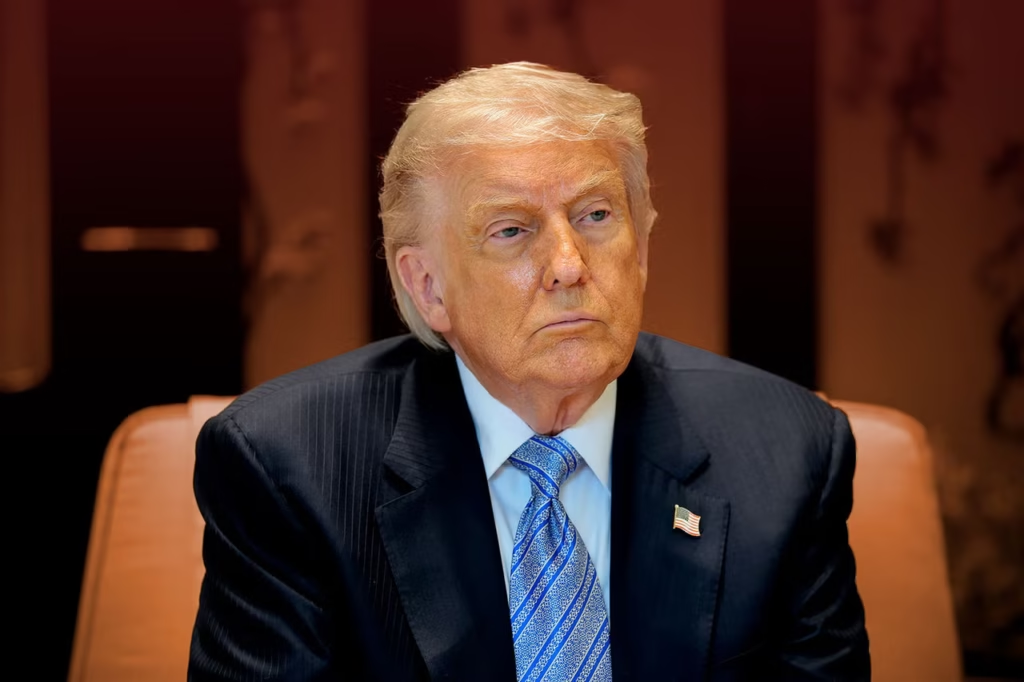
The US Court of International Trade is hearing a legal challenge to tariffs imposed on goods from 60 trading partners, including China and the European Union. The case could affect the president’s authority to impose broad trade measures. The specific legal question: does the executive branch have statutory authority to impose tariffs on 60 countries simultaneously under the trade law the President invoked?
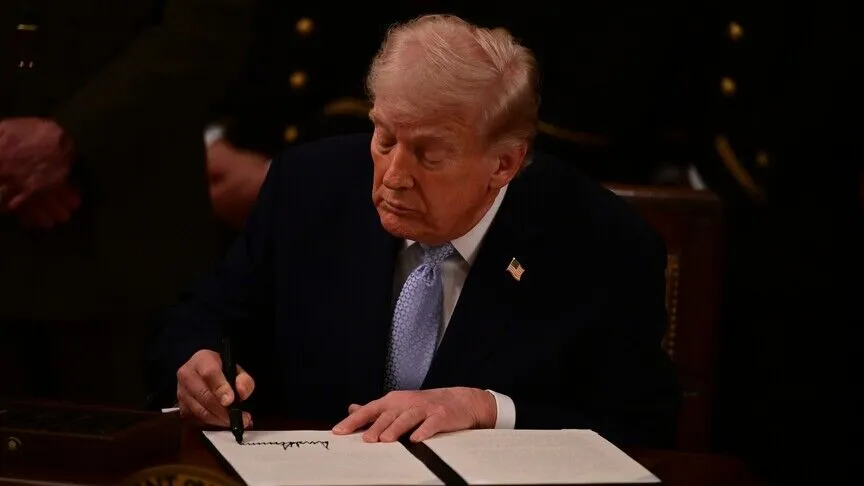
THE LEGAL FRAMEWORK
Presidential tariff authority derives from specific statutes that Congress has delegated to the executive branch. The most relevant:
▸ Section 232 (Trade Expansion Act of 1962): allows tariffs on national security grounds; used for steel and aluminum
▸ Section 301 (Trade Act of 1974): allows tariffs against countries with unfair trade practices; used against China
▸ IEEPA (International Emergency Economic Powers Act): a broad emergency authority the Trump administration has invoked to impose tariffs without specific statutory trade authority
The 60-country tariff case’s specific legal challenge likely targets the statutory authority: whether the law invoked actually grants the President authority to impose tariffs on 60 countries simultaneously, or whether that breadth of tariff action requires specific congressional authorization.
THE SEPARATION-OF-POWERS DIMENSION
The Constitution grants Congress — not the President — the authority to regulate commerce with foreign nations. The statutes Congress has passed delegate some of that authority to the executive branch in specific circumstances. Whether those delegations authorize a 60-country simultaneous tariff action is the specific constitutional question the court is examining. A ruling limiting presidential tariff authority would require congressional action to impose tariffs of this scope.
A federal court is asking whether the President can impose tariffs on 60 countries at once under the law he invoked. The Constitution gives Congress the power to regulate foreign commerce. Congress has delegated some of that authority to the President. Whether the delegation covers 60 countries simultaneously is the legal question. The same court examining this is the one that would also examine the Canadian ban if Ottawa files a challenge.
WHAT HAPPENS NEXT
▸ Court ruling — whether the Court of International Trade finds the tariffs authorized
▸ Appeal — whether any ruling is appealed to the Federal Circuit or ultimately the Supreme Court
▸ Congressional response — whether Congress acts to either ratify or limit the tariff authority
| CONFIDENCE: HIGH | US Court International Trade hearing legal challenge to tariffs imposed on goods from 60 trading partners, including China and the EU; case could affect the president’s authority to impose broad trade measures, according to confirmed reporting. |
SOURCES
▸ Confirmed reporting — US trade court tariffs September 30, 2026