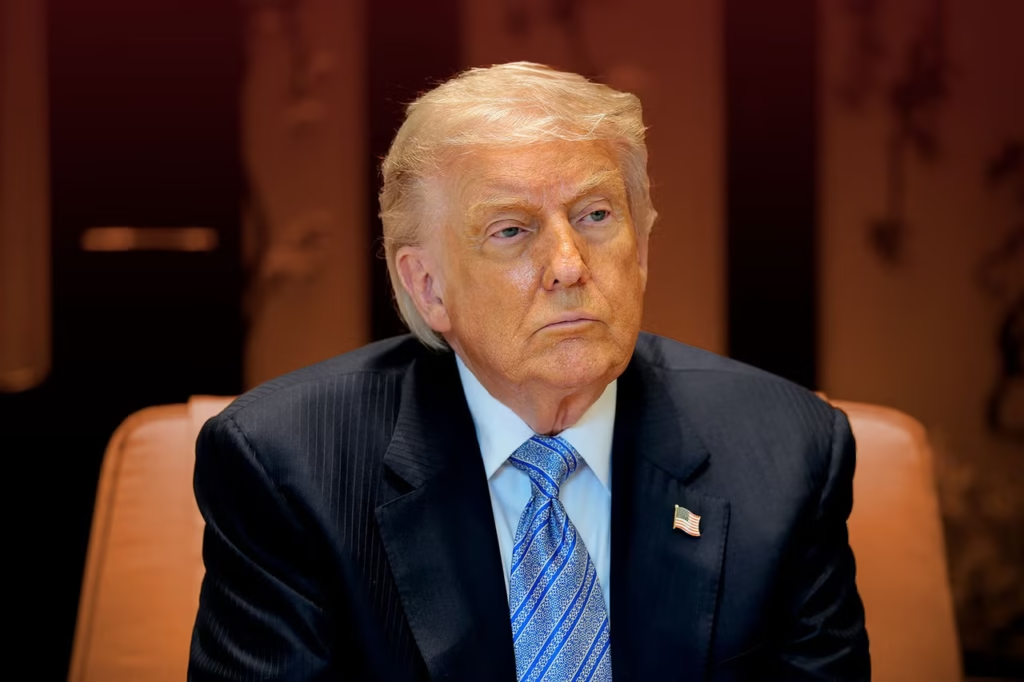
ONYX documented on September 29 that the US and China announced $30 billion in mutual tariff cuts on consumer goods — the Xi-Trump summit outcome. Today: Washington reportedly slowed exports of aircraft components to China as a trade negotiation leverage measure. Both happened within three days of each other. ONYX names the simultaneous documented directions of US-China trade policy.
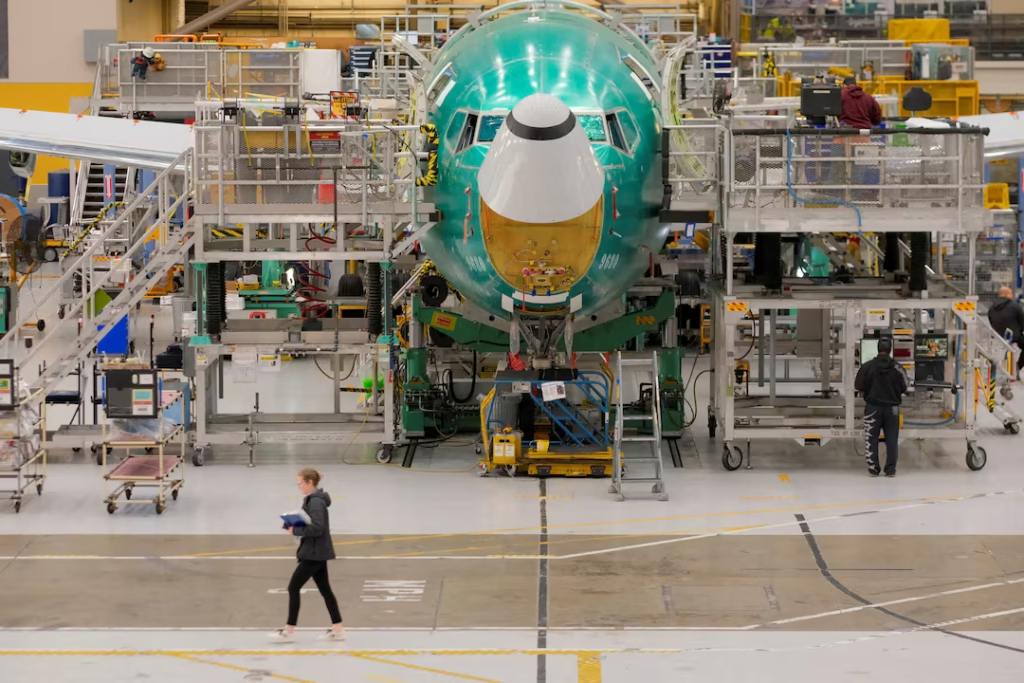
THE AIRCRAFT PARTS LEVER
The specific trade logic of restricting aircraft component exports to China:
▸ China’s commercial aviation fleet is one of the world’s largest and growing; it relies on aircraft from Boeing, Airbus, and increasingly domestic Chinese manufacturers
▸ Boeing aircraft require US-made parts for maintenance, repair, and overhaul (MRO)
▸ Chinese airlines that cannot obtain US aircraft parts face fleet maintenance challenges
▸ Slowing — not stopping — aircraft part exports creates pressure without triggering the immediate consequences of a full ban
THE AVIATION INDUSTRY IMPACT
The measure could affect the aviation industry in both countries:
▸ Chinese airlines: operational costs increase if parts are delayed; flight schedules may be affected by maintenance constraints
▸ Boeing: loses revenue from parts sales to Chinese carriers; potentially damages long-term customer relationships
▸ US aerospace supply chain: companies supplying aircraft components to China face reduced orders
▸ US-China aviation relationship: the civilian aviation connection between the two countries is a documented confidence-building measure in the broader relationship; restricting it adds tension beyond the tariff discussion
THE SIMULTANEOUS TRADE DIRECTIONS
The documented US-China trade policy picture as of October 1:
▸ September 29: $30 billion in mutual tariff cuts on consumer goods (hair products, toys)
▸ October 1: US slows aircraft component exports as leverage
▸ Ongoing: AI chip export restrictions to China
▸ Ongoing: Chinese rare earth export restrictions to the US
Multiple trade dimensions moving in multiple directions simultaneously is the documented US-China economic relationship’s specific feature in 2026: selective cooperation and selective pressure, sector by sector.
Three days ago, the US and China cut tariffs on hair products and toys. Today, the US slowed aircraft part exports to China as leverage. Both are part of US-China trade policy. The trade relationship is not simply improving or worsening. It is simultaneously improving in some sectors and worsening in others. Aircraft parts are worsening. Consumer goods tariffs are an improvement. The overall relationship is too complex to characterize as one direction.
WHAT HAPPENS NEXT
▸ China response — whether Beijing retaliates with any countermeasure
▸ Boeing — whether the slowdown affects Boeing’s China sales pipeline
▸ Trade court — whether the aircraft restriction is examined in the same case as the 60-country tariffs
| CONFIDENCE: HIGH | Washington reportedly slowed exports of aircraft components to China to gain leverage in trade negotiations, which could affect the aviation industry and worsen US-China tensions, according to confirmed reporting. |
SOURCES
▸ Confirmed reporting — US aircraft parts China trade October 1 2026