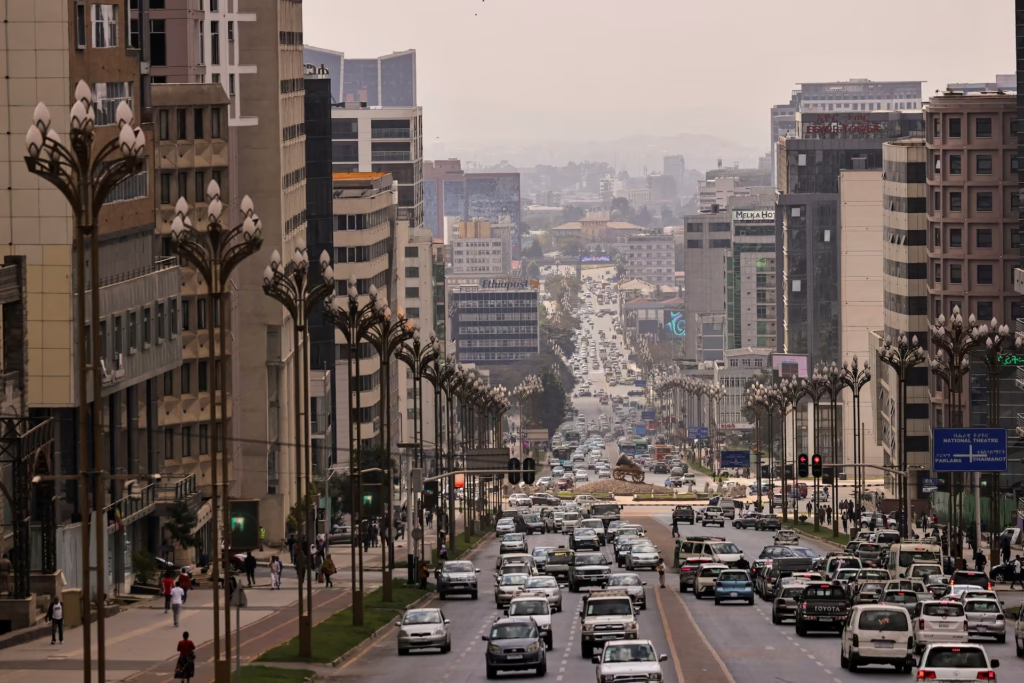
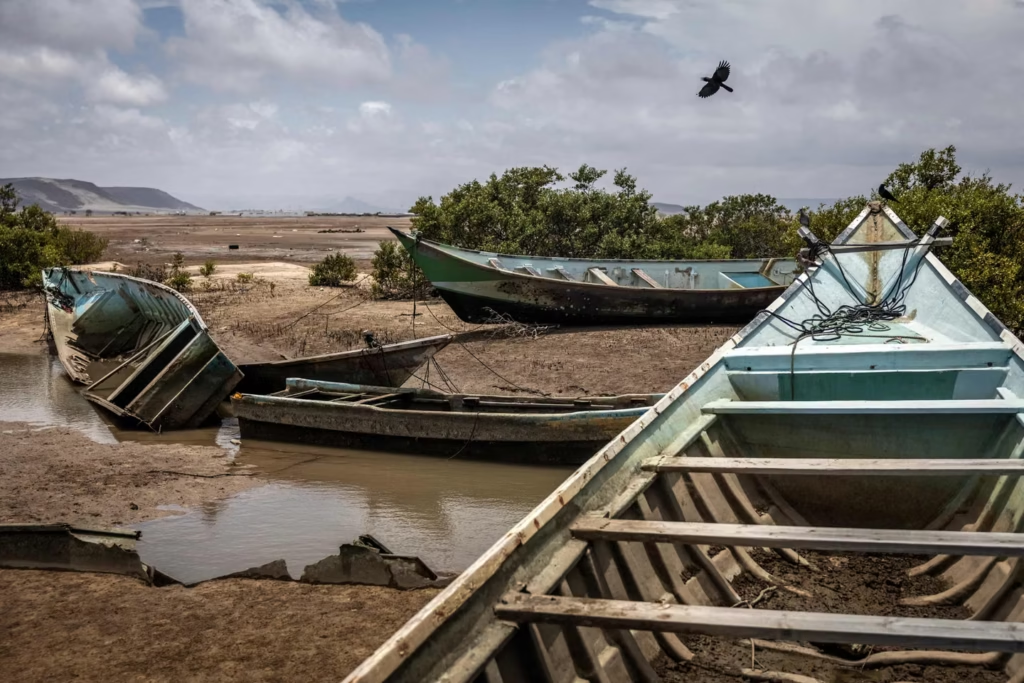
A vessel carrying approximately 350 migrants — mostly Ethiopian nationals making the Horn of Africa crossing toward Yemen and the Gulf — capsized near Obock, Djibouti. At least 109 are confirmed dead. More than 116 are missing. Eighty were rescued.
🌍 DJIBOUTI · OCTOBER 11, 2026 · MIGRATION DISASTER
One hundred and nine people drowned near Djibouti. One hundred and sixteen more are missing. Eighty were pulled from the water alive. The boat was carrying approximately three hundred and fifty people — mostly Ethiopian nationals, according to the International Organization for Migration — and it capsized near Obock, on the Djibouti coast, while making the crossing toward Yemen and, from there, toward the Arabian Peninsula and the Gulf labor markets that are the economic destination this route has always been about.
That destination requires sitting with a fact that is counterintuitive to outsiders: people are crossing from the Horn of Africa into Yemen — a country that has been at war for years, where Houthi missile attacks on Saudi Arabia originate, where the humanitarian situation is among the worst on the planet — because Yemen is a transit point, not a destination. The Gulf labor markets on the other side of the Arabian Peninsula represent economic opportunities that are worth, to these migrants, the risk of the crossing, the risk of Yemen, and the risk of the final overland or sea journey to Saudi Arabia, the UAE, or Kuwait.
WHO TAKES THIS ROUTE
The Horn of Africa to Yemen crossing is one of the world’s most dangerous migration routes, and it carries one of the world’s least covered stories of mass movement. The people on this route are primarily Ethiopian — the IOM has documented this for years — with significant numbers from Somalia, Eritrea, and other East African nations. They are not, in most cases, fleeing immediate conflict in the way that the Syrian or Afghan migration flows that dominated Western media attention earlier in the decade were. They are making an economic calculation: the labor markets of the Gulf offer wages that are multiples of what is available in the Ethiopian or Somali economies, and the cost of the journey — financially and in risk — is a price that enough people are willing to pay to sustain one of the world’s busiest migration routes.
The boat that capsized near Obock was not a small vessel. Three hundred and fifty people on a single vessel is a significant migrant crossing event. The IOM and UNHCR have documented the pattern of overloaded vessels on this route — boats designed for far fewer passengers, operated by smugglers whose financial incentive is to maximize per-trip revenue and minimize per-trip safety investment. When these boats capsize, the casualty toll reflects both the overcrowding and the distance from rescue resources.
THE NUMBERS WE STOP COUNTING
BBC, Reuters, and IOM confirmed this incident. It will generate a day or two of coverage in international outlets and then recede, as migration disasters on this route have receded, because the structural conditions that produce them do not change and the specific political constituencies in wealthy countries that might demand a response are not engaged by events in Djibouti the way they are engaged by events closer to their own borders. The IOM issued its statement highlighting the dangers of the route. It has issued similar statements before. The route continues to be used, the boats continue to be overloaded, and the sea continues to take its toll.
One hundred and nine people drowned near Djibouti. Their names are not in these wire reports. Their families in Ethiopia are not quoted in these wire reports. The eighty who survived have not yet been identified by name in available reporting. The humanitarian infrastructure around this route is real — the IOM and UNHCR maintain significant operations in Djibouti — and it is not sufficient.
“Three hundred and fifty people got on a boat. One hundred and nine are dead. One hundred and sixteen are missing. Eighty made it. The route will have more boats on it next week.”
WHAT HAPPENS NEXT
► Missing persons — whether the 116 missing are found, and whether any survive
► IOM investigation — formal accounting of vessel, smuggling network, and route conditions
► Ethiopian government — response to the loss of primarily Ethiopian nationals
► Route monitoring — IOM and UNHCR data on whether the capsize reduces crossing volume
| CONFIDENCE: HIGH | BBC, Reuters, IOM statements confirmed ~350 passengers, 109 dead, 116+ missing, ~80 rescued, mostly Ethiopian nationals, Obock Djibouti, Horn of Africa-Yemen route, dangers of migration corridor documented. |
| BIAS CHECK | ASSESSMENT |
| Source weight | BBC, Reuters, IOM — multi-outlet plus official UN body confirmation; strong provenance |
| Route framing | Economic motivation for migration stated accurately; not used to dismiss humanitarian obligation |
| Coverage critique | Media pattern around migration disasters noted as structural observation; not directed at any outlet |
SOURCES
► BBC News — Djibouti migrant boat capsize 109 dead, October 11, 2026
► Reuters — 116 missing, 80 rescued, mostly Ethiopian nationals, October 11, 2026
► IOM (International Organization for Migration) — Horn of Africa route danger statement, October 11, 2026