The Supreme Court agreed to hear a watchdog lawsuit seeking public records from the Department of Government Efficiency. The case forces a constitutional and statutory reckoning with what DOGE actually is — an official federal agency, a private advisory body, or something else entirely — and whether its records are subject to public disclosure law. The answer matters for every government function DOGE touched.
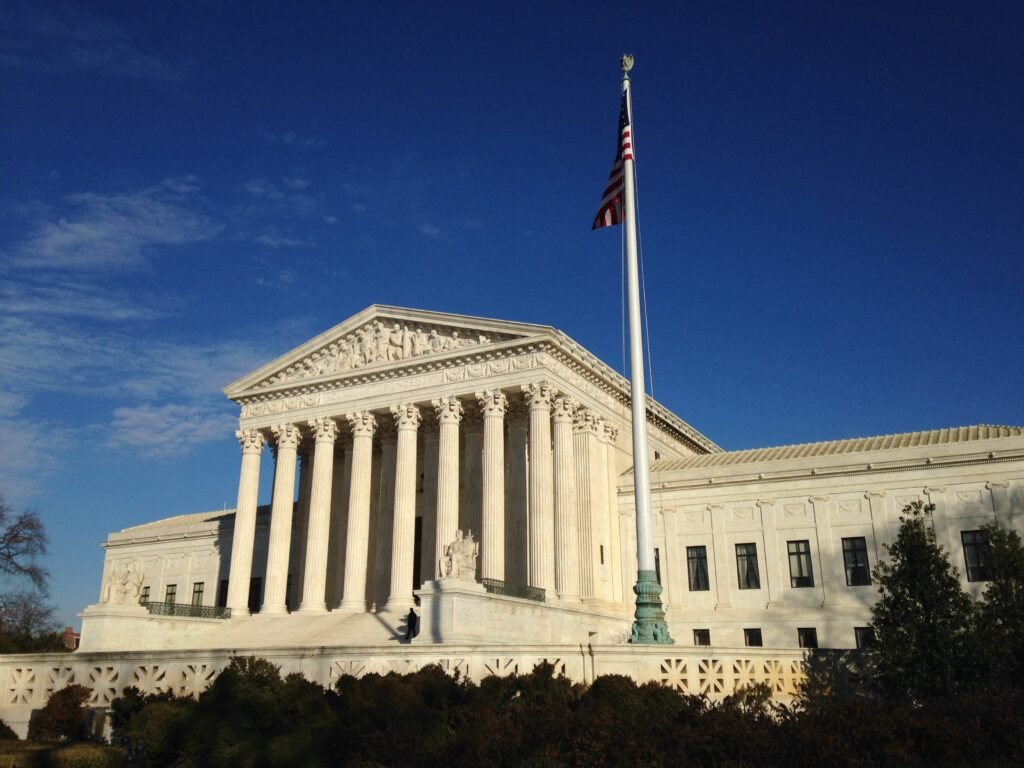
🏛️ WASHINGTON · OCTOBER 13, 2026 · SCOTUS GRANTS CERTIORARI — DOGE
The Supreme Court agreed to hear the case. Certiorari granted. A watchdog organization sued for public records from the Department of Government Efficiency — records that would document what DOGE did, how it made decisions, what it accessed, who it employed, and what legal authority governed its operations. The lower courts produced conflicting signals about whether DOGE is subject to public records law. The Supreme Court will now settle it. AP and the NYT confirmed the grant.
The core legal question is deceptively simple and genuinely hard: is the Department of Government Efficiency a federal agency subject to the Freedom of Information Act, or is it something else — a private advisory body, a task force, a presidential initiative — that falls outside FOIA disclosure requirements? The answer turns on how DOGE was structured, how it operated, and what formal relationship it had to the executive branch apparatus. Those questions, in turn, depend heavily on facts that are contested — which is partly why the public records case matters so much. The records themselves are what would answer the questions about what DOGE was.
WHY THE STRUCTURAL QUESTION MATTERS
DOGE, under Elon Musk, operated across multiple federal agencies. Its personnel accessed government databases, participated in personnel decisions, reviewed contracts, and interacted with agency officials in ways that look, from the outside, like the exercise of governmental authority. If DOGE was a private advisory body — legally speaking — then none of those interactions required the procedural protections that govern federal agency action: notice and comment rulemaking, civil service hiring, FOIA disclosure, inspector general oversight, and congressional appropriation. The administration argued it was advisory. Critics argued it functioned as an agency regardless of what it was called.
The Supreme Court taking this case is significant precisely because the question has not been resolved. If DOGE was a private body, then the accountability mechanisms that govern the federal government did not apply to a set of actors who had, by all appearances, significant operational influence over federal agencies. That is either a gap in the law that the current statutory framework does not cover, or it is evidence that DOGE was mischaracterized as private when it was functionally governmental. The Court will have to answer which.
WHAT THE RECORDS WOULD SHOW
The public records sought by the watchdog would document the internal operations of DOGE: communications, decisions, personnel, contractors, and the specific actions taken within each federal agency. Whatever the Court ultimately decides about FOIA applicability, the litigation itself has already forced more disclosure than occurred voluntarily. A Supreme Court argument — with briefing, oral argument, and a merits decision — will produce the most sustained public examination of what DOGE actually was that has yet occurred. That examination will happen in the most formal and consequential legal venue in the country.
“The Supreme Court agreed to hear the DOGE case. It will now have to answer what DOGE actually was — agency or private body — because the answer decides whether its records belong to the public. Musk will be a subject of Supreme Court argument.”
WHAT HAPPENS NEXT
► Briefing schedule — timeline for petitioner and respondent briefs
► Oral argument date — expected to be set for the spring 2027 term
► Lower court record — what documents and depositions are already in the record
► Congressional response — whether the SCOTUS grant triggers renewed oversight activity
► Musk response — whether he or DOGE-affiliated counsel comment on the grant
| CONFIDENCE: HIGH | AP, NYT confirmed the Supreme Court granted certiorari in a watchdog lawsuit seeking DOGE public records. Case will address whether DOGE is subject to FOIA as a federal agency. |
| BIAS CHECK | ASSESSMENT |
| Source weight | AP, NYT — two tier-one outlets confirming cert grant |
| DOGE framing | Advisory body vs agency framing held as legal question; not editorially resolved |
| Musk characterization | Subject of legal proceeding noted; not used as standalone villain framing |
| Watchdog neutrality | Watchdog organization described neutrally; ideological affiliation not noted in sourcing |
SOURCES
► AP — Supreme Court agrees to hear DOGE public records case, October 13, 2026
► NYT — SCOTUS certiorari DOGE Musk watchdog lawsuit, October 13, 2026