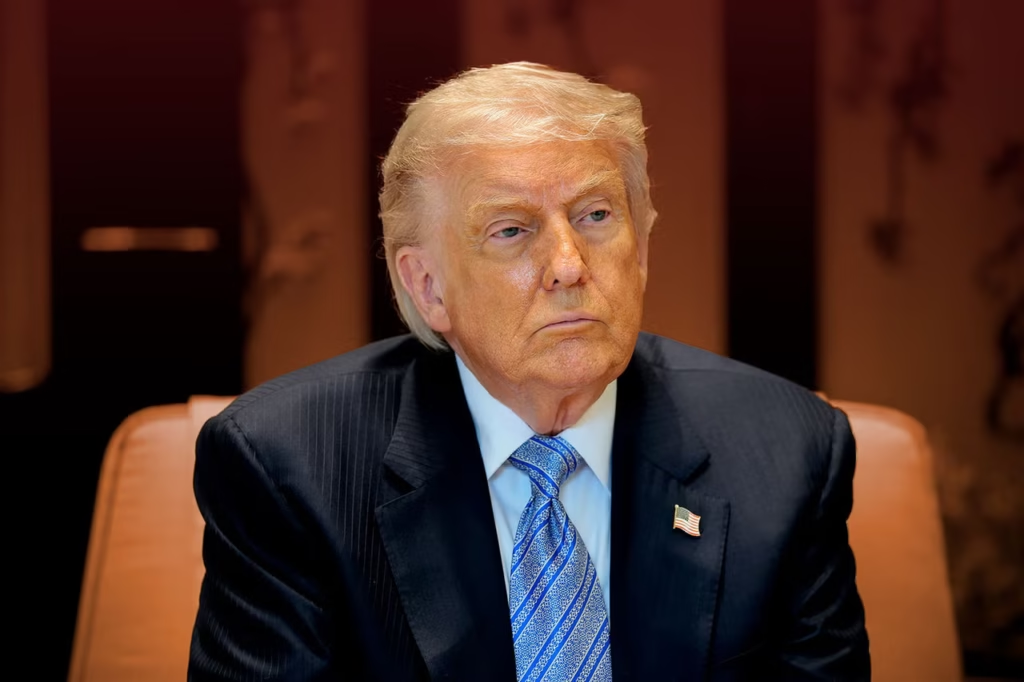
The executive order pausing sanctions under the Graham Act drew bipartisan condemnation from Democrats and Republicans alike. Zelensky is urging enforcement. The waiver is not just a policy dispute — it is a test of whether Congress can constrain presidential action on Russia.
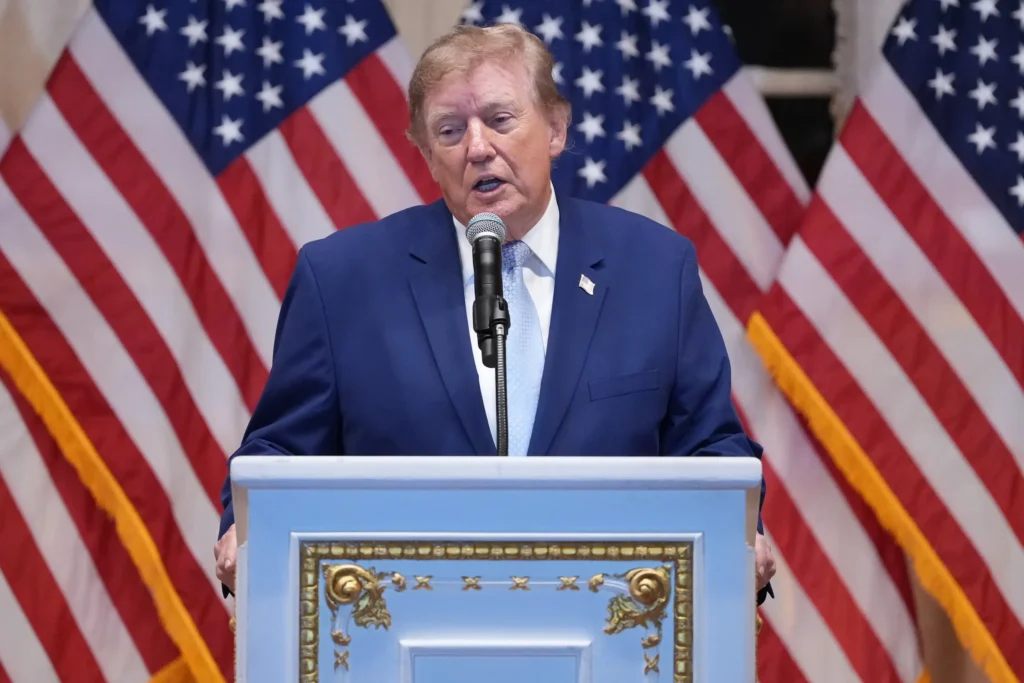
BREAKING · TRUMP · RUSSIA · SANCTIONS · CONGRESS
WASHINGTON — President Trump signed an executive order waiving new sanctions against Russia that had been mandated under the Graham Act — the bipartisan legislation that passed with large margins in both chambers and was specifically designed to limit presidential flexibility in easing economic pressure on Moscow. The waiver prompted immediate and forceful criticism from both Democratic and Republican legislators, with several senior Republicans breaking publicly with the White House in terms more direct than they have used on most Trump policy decisions.
Zelensky, in a statement from Kyiv, called the waiver “deeply troubling” and urged the U.S. Congress to find a mechanism to enforce the legislation. The Washington Post, AP, NYT, Fox Business, and Axios all confirmed the executive action and the bipartisan response. The Graham Act had been celebrated as a rare example of congressional will constraining executive action on Russia; the waiver now tests whether that will can be enforced.
What the Graham Act Was Designed to Do
Senator Lindsey Graham and colleagues crafted the legislation specifically to close the executive flexibility gap that had allowed prior presidents to delay, waive, or effectively nullify congressionally-mandated Russia sanctions. The bill passed with majorities that were designed to be veto-proof and with language intended to minimize presidential waiver authority. The Trump administration’s argument for the waiver — that it is necessary to facilitate ongoing diplomatic contacts with Moscow — is exactly the argument Graham Act sponsors said they wrote the legislation to prevent.
Legal analysts reviewing the executive order were divided on whether the waiver authority claimed by the White House was within the bounds of the legislation. Several constitutional law scholars told the Washington Post that the order appeared to exceed the waiver authority granted by the Act, and that a legal challenge was likely.
“This is not what we passed. This is not what we agreed to. The executive branch does not get to decide when Congress wishes to sanction Russia.” — Senator Lindsey Graham, statement responding to the waiver
The Bipartisan Pressure
The bipartisan nature of the backlash is the critical political fact. Several Republican senators who have generally supported Trump on other issues — including members of the Senate Foreign Relations Committee — issued statements criticizing the waiver in terms that suggested they would support legislative or legal action to contest it. Democratic leadership called for immediate hearings and said they were exploring all options to enforce the Act.
WHAT HAPPENS NEXT
► Legal challenge to the waiver expected — ACLU and congressional staff attorneys reviewing options.
► Senate Foreign Relations Committee calling for emergency hearing on the executive order.
► Graham and bipartisan allies drafting response legislation to close the waiver authority gap.
► Zelensky in contact with European allies to coordinate response to U.S. sanctions pause.
► Markets watching: Russia energy sector stocks moved on news of the waiver Friday.
| CONFIDENCE: HIGH | Executive order confirmed by Washington Post, AP, NYT, Fox Business, and Axios. Bipartisan criticism from named senators confirmed. Zelensky statement confirmed. Graham statement confirmed. Legal dispute over waiver authority from named constitutional law scholars — noted as contested. |
| Bias Check | ||
| Left-Lean | Center | Right-Lean |
| Frames as Trump capitulation to Putin; calls for immediate enforcement action. | Reports the waiver, the bipartisan response, and the legal question as confirmed. | Fox Business coverage noted — some right-leaning outlets frame waiver as necessary diplomatic flexibility. |
| Assessment | ONYX presents confirmed facts and the legal dispute. Graham own opposition to the waiver of his own Act is the defining political fact. | |
SOURCES
► Washington Post — Executive order details and constitutional law analysis
► Associated Press — Bipartisan congressional response
► New York Times — Zelensky statement and diplomatic context
► Fox Business — White House justification for the waiver
► Axios — Graham statement and Senate reaction