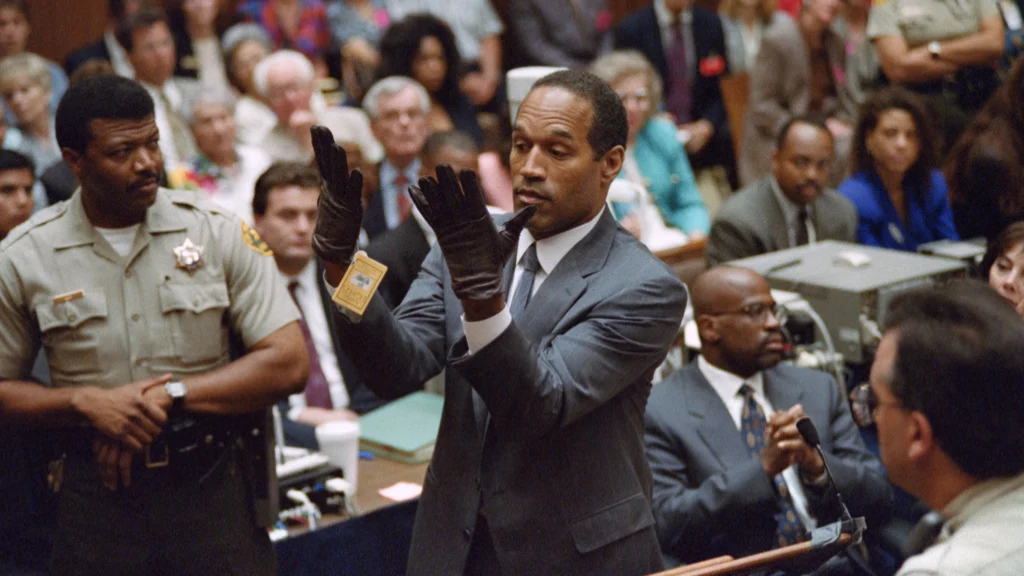
Newly unsealed court records and new interviews reviewed by The New York Times challenge aspects of the long-standing narrative around the 1994 Simpson murders. The case defined a generation of American media and race relations. Three decades later, there are still things we did not know. Now we know some of them.
INVESTIGATIVE · OJ SIMPSON · NEW RECORDS · NYT
NEW YORK — The New York Times published a report on Saturday based on newly unsealed court records and new interviews that challenges aspects of the established narrative around the 1994 murders of Nicole Brown Simpson and Ron Goldman and the subsequent trial of O.J. Simpson. The precise nature of the new developments was confirmed by the NYT report itself; the specific contents of the unsealed records were not fully detailed in the initial reporting summary available for this edition.
The Simpson case remains one of the most written-about criminal proceedings in American history. The 1995 acquittal, followed by the 1997 civil verdict finding Simpson liable for the deaths, split American public opinion along lines that mapped closely onto existing racial divisions. The case generated a media apparatus — lawyers, commentators, authors, documentary filmmakers — that has continued to produce analysis and reinterpretation for thirty years.
Why New Records Matter Now
Court records in major cases are unsealed through a variety of mechanisms: the passage of time, the death of participants, changes in judicial interpretation of privacy protections, or specific motions by parties. When unsealed records surface in a case as extensively covered as the Simpson case, they tend to generate significant public attention precisely because the existing narrative is so thoroughly established — any new document that does not fit the established account is immediately significant.
The NYT characterization that the new records “challenge aspects of the long-standing narrative” is a careful framing. It does not say that Simpson was innocent or guilty — a question that has two legal answers depending on the proceeding — but that the factual picture of what happened is more complicated than the version that has been publicly accepted. That distinction matters in both directions: new records might challenge the prosecution case, or they might complicate the defense narrative. The NYT framing deliberately does not specify which.
“Thirty years of certainty about a case does not mean thirty years of complete information. Records surface. People talk. The picture changes.” — NYT investigative correspondent, on the Simpson report
The American Context
The Simpson case is inseparable from its social context: a Black celebrity defendant, a predominantly Black jury, a verdict that produced dramatically different reactions from white and Black Americans, and a media coverage apparatus that amplified every racial dimension of the proceeding. Any new information that challenges the narrative does so in a context where the racial politics of the original trial have never been fully resolved — they have merely aged.
WHAT HAPPENS NEXT
► NYT full investigative report to receive significant media coverage through the week.
► Legal scholars reviewing unsealed records for implications on the established evidentiary picture.
► Goldman family and Brown family representatives expected to respond to the new reporting.
► Documentary and true crime media already assessing the new records for production development.
► California courts may face additional unsealing motions as a result of the NYT report.
| CONFIDENCE: MODERATE | New records and challenges to narrative confirmed by NYT report. Specific content of unsealed records not fully detailed in available reporting — noted. Historical case facts from established legal record. NYT framing of “challenge to aspects of narrative” confirmed as the published characterization. |
| Bias Check | ||
| Left-Lean | Center | Right-Lean |
| If records suggest systemic prosecution failure, will frame through a racial justice lens. | Reports the new records, the narrative challenge, and the historical context as confirmed. | If records suggest defense misconduct, will frame as vindication of prosecution case. |
| Assessment | ONYX presents the confirmed NYT report and the careful framing. The specific direction of the challenge is not yet publicly confirmed — noted accordingly. | |
SOURCES
► New York Times — Unsealed records and new interviews challenging Simpson case narrative