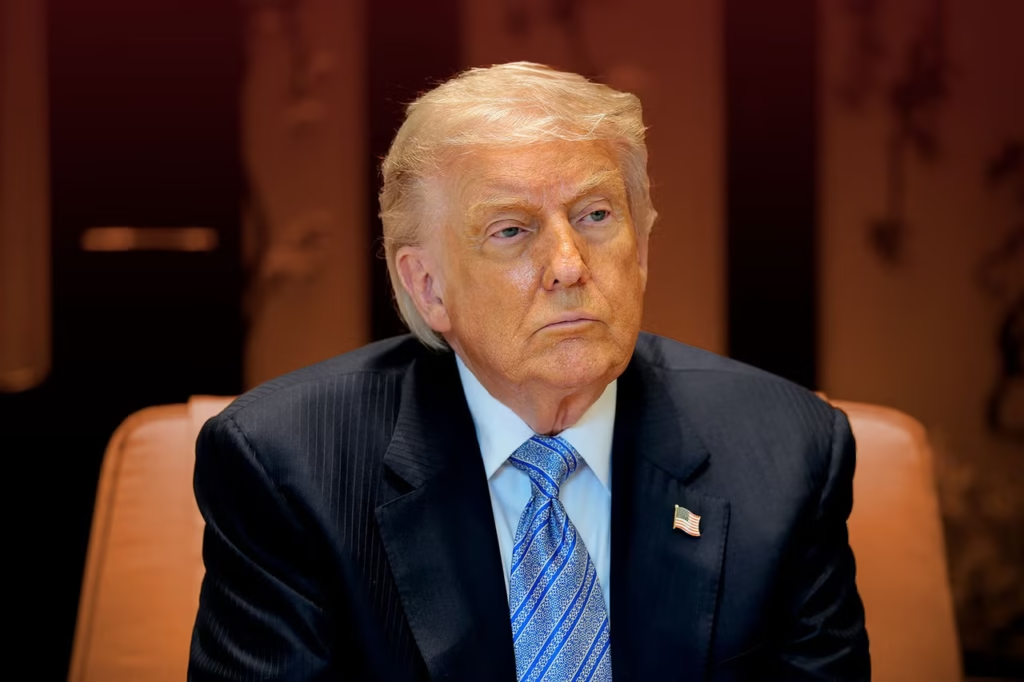
Emmanuel Macron and Donald Trump have offered competing explanations for the French riots. Macron pointed to cost-of-living pressures from the Iran war. Trump pointed to immigration. The disagreement is not merely factual — it is the defining political fault line of the Western world in 2026, playing out over the ruins of a town hall in Limoges.
POLITICS · MACRON · TRUMP · FRANCE RIOTS · IRAN WAR · IMMIGRATION
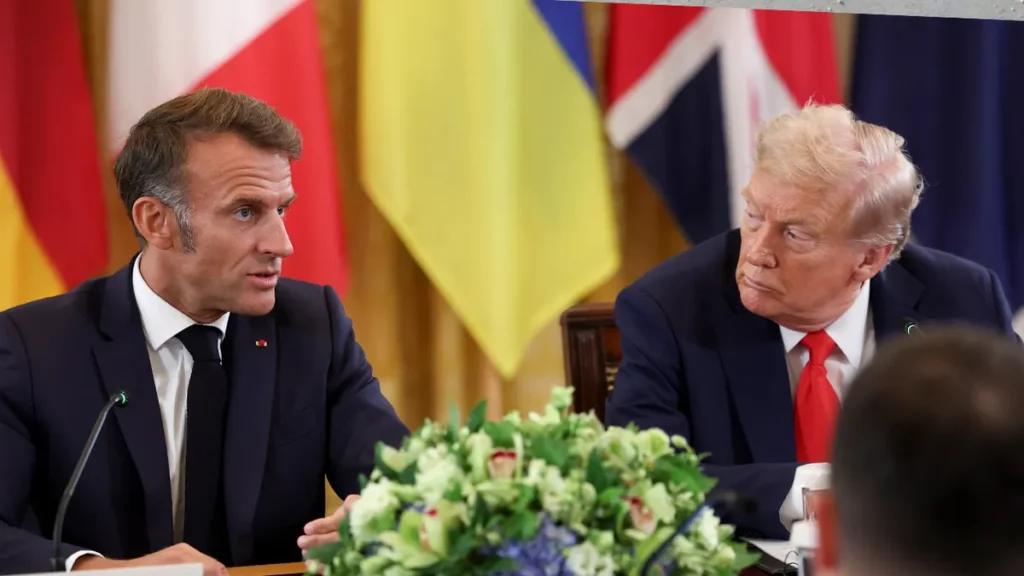
PARIS / WASHINGTON — French President Emmanuel Macron and U.S. President Donald Trump have offered publicly competing explanations for the weekend riots in France, with Macron attributing the unrest significantly to cost-of-living pressures generated by the Iran war and its effects on energy prices and household economic stress, while Trump attributed the violence to immigration, according to The Telegraph via Go Local Providence. The two leaders did not directly exchange these positions in a joint forum — the characterizations come from their separate public statements — but the divergence captures the central political disagreement of the current moment in Western politics.
Macron’s framing is economic and external: the Iran war has driven energy costs up across Europe, eroding household purchasing power and creating economic desperation that, combined with pre-existing social tensions, produced the conditions for civil disorder. This framing is consistent with the data — European energy prices have increased significantly since the conflict began — and it has the political advantage of attributing the riots to a cause that does not implicate French immigration or integration policy, which the Macron government has managed uneasily for years.
The Trump Immigration Framing
Trump attribution of the French riots to immigration is consistent with the political argument he has made domestically and that his allies in European right-wing politics have made for years: that immigration from non-Western countries generates social tension, cultural conflict, and ultimately violence. The French riots, on this reading, are not about the price of energy — they are about the consequences of decades of European immigration policy. That argument has political resonance in France, where Marine Le Pen and the Rassemblement National have built a major political movement on precisely this thesis.
The factual reality is that the riots have multiple, overlapping causes — economic stress, social inequality, historic tensions between communities and state institutions, and political grievances — and that neither the “it was the Iran war” framing nor the “it was immigration” framing captures the full complexity. Both leaders are offering explanations that serve their political interests and are consistent with their existing political frameworks, which is what political leaders do.
“The cost of the Iran war is being paid not just at the pump but in our streets. Economic pressure does not excuse violence — but it explains where it comes from.” — President Macron, via The Telegraph
The Significance of the Disagreement
Macron and Trump disagreement over the cause of the French riots is not just a factual dispute. It is a preview of the broader argument about how Western democracies should respond to social disorder, economic stress, and political violence. The Iran war cost framing leads to one set of policy responses — energy policy, economic support, diplomatic resolution of the conflict that is driving prices up. The immigration framing leads to an entirely different set — border controls, deportation, restrictions on movement. The riots will end. The argument about what caused them will not.
WHAT HAPPENS NEXT
► Macron government policy response shaped by the economic framing — expect energy relief measures.
► Trump public commentary on France continuing — France has become a reference point in U.S. immigration debate.
► European right-wing parties using the Trump framing in their own electoral arguments.
► Academic and policy debate about riot causes will run in parallel with political arguments for months.
► U.S.-France diplomatic relationship managing the competing public framings of the same event.
| CONFIDENCE: HIGH | Both Macron and Trump public statements and their respective framings confirmed by The Telegraph via Go Local Providence. Economic and immigration framings confirmed as stated. Energy price increases in Europe are confirmed by economic reporting. Factual complexity of riot causes from established social science and political reporting. |
| Bias Check | ||
| Left-Lean | Center | Right-Lean |
| Agrees with Macron economic framing; rejects Trump immigration attribution as reductive. | Reports both leaders positions as stated and notes that both are politically motivated framings. | Agrees with Trump immigration framing; rejects Macron economic attribution as deflection. |
| Assessment | ONYX presents both confirmed framings and notes that the evidence supports multiple overlapping causes. Neither leader’s position is dismissed or endorsed. | |
SOURCES
► The Telegraph via Go Local Providence — Macron and Trump competing explanations for French riots