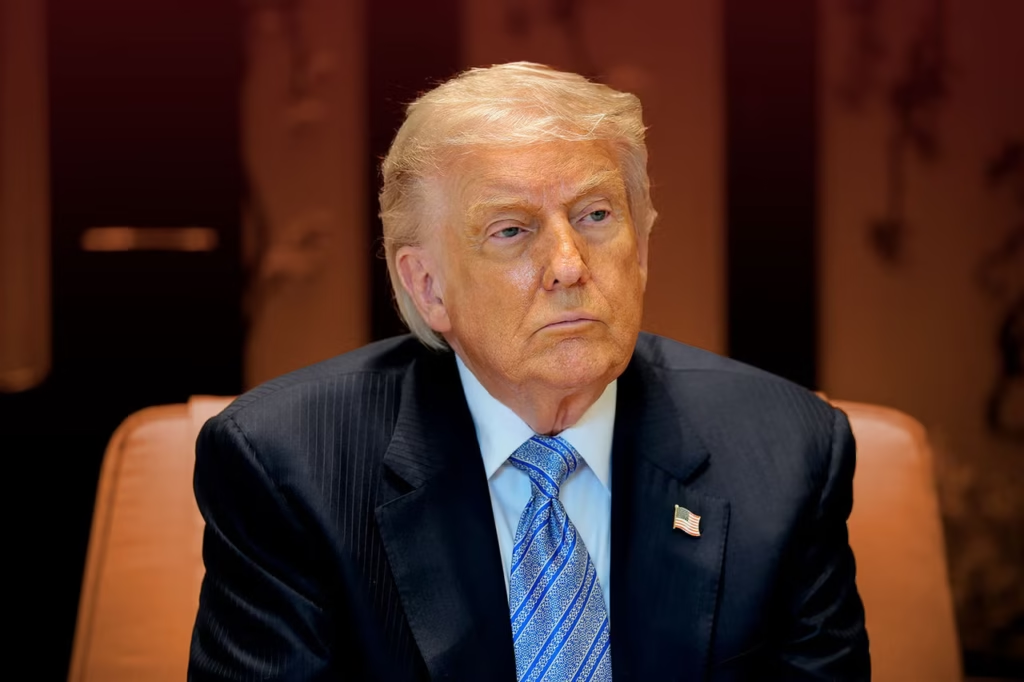
President Trump suggested at a Florida rally that U.S. warships returning from Iran could stop in Cuba, reviving the idea of military intervention in Cuba. The statement combines two foreign policy themes — U.S. military posture toward Iran and the long-standing question of U.S. policy toward Cuba — into a comment that is either a rhetorical flourish for a Florida audience or a policy signal. Both readings matter. Cuba remains a politically charged issue in Florida, where Cuban-American voters have historically supported hawkish postures toward Havana.
FOREIGN POLICY · TRUMP · CUBA · WARSHIPS · IRAN · FLORIDA RALLY · MILITARY
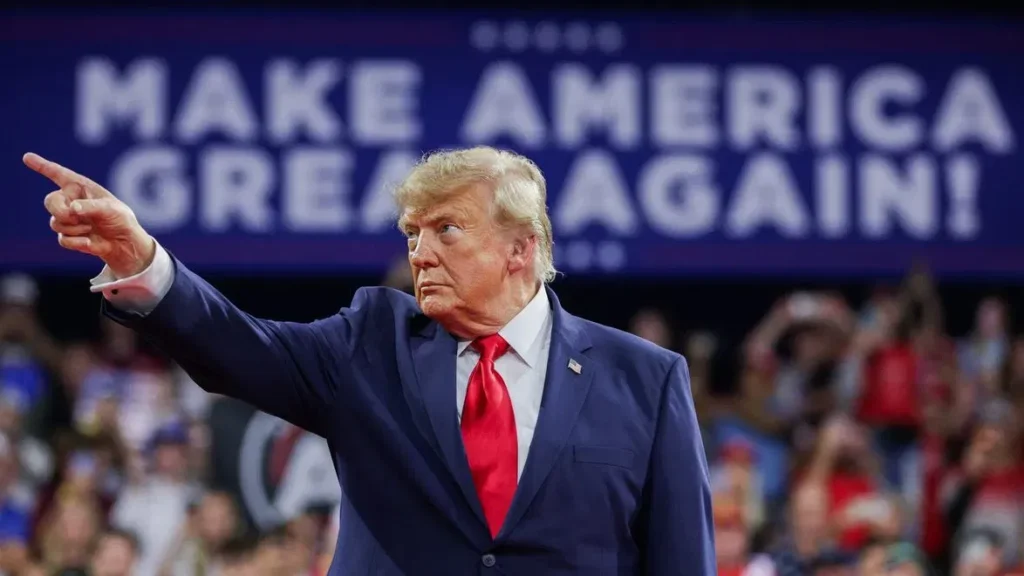
FLORIDA — President Trump suggested at a Florida rally that U.S. warships returning from operations near Iran could stop in Cuba, reviving the idea of military intervention or a show of force toward Cuba, according to AP. The comment came in the context of a rally speech and was not followed by any formal policy statement or military order. Whether the comment reflects an emerging policy direction, a rhetorical applause line for a Cuban-American audience, or a genuine strategic concept is not established from the rally context alone.
Cuba policy has been a significant issue in Florida politics for decades. The large Cuban-American community in South Florida — particularly in Miami-Dade County — has historically supported confrontational postures toward the Cuban government and has been a reliable Republican constituency in part because of that alignment. Suggesting military intervention in Cuba or a warship stop at a Florida rally is a familiar rhetorical move in that political context. Trump has previously made statements about Cuba ranging from supportive gestures toward Cuban-American hardliners to — during his first term — limited diplomatic engagement. The specific suggestion to route warships from Iran to Cuba is new in its framing.
The Iran-Cuba Connection
The suggestion to route warships from Iran to Cuba links two different foreign policy fronts in a way that is geographically and logistically unusual. Iran is in the Persian Gulf and Gulf of Oman — approximately 7,000 miles from Cuba by sea. Warships in the region are typically home-ported on the U.S. East Coast, West Coast, or in European and Middle Eastern ports. A deliberate routing through Cuba would be a political statement rather than a practical military route. Whether Trump was suggesting a brief port call as a show of force, a naval blockade posture, or something else is not clear from the reported statement.
“Maybe those ships coming back from Iran make a little stop. Cuba. Let them think about it.” — President Trump, rally remarks via AP
WHAT HAPPENS NEXT
► Pentagon response — whether military officials confirm or dismiss the Cuba warship concept.
► Cuban government reaction — Havana has not yet responded to the rally comment.
► State Department — whether formal Cuba policy statements follow the rally comment.
► Florida political impact — Cuban-American voter reaction to the statement.
► Iran-Cuba diplomatic context — whether the comment is connected to any actual operational planning.
| CONFIDENCE: MODERATE | Trump Cuba warship comment confirmed by AP from Florida rally. Rally context established. No Pentagon, State Department, or military confirmation of any actual policy or order — flagged. Cuba-Florida political context from established documented record. Geographic routing analysis from standard naval geography. |
| Bias Check | ||
| Left-Lean | Center | Right-Lean |
| Frames comment as reckless foreign policy improvisation risking regional escalation. | Reports confirmed rally comment as stated by AP; notes no formal policy follow-through confirmed. | Frames comment as appropriate show of strength toward Cuba; applauds hawkish posture. |
| Assessment | ONYX presents confirmed rally statement and the documented Florida political context. The absence of any formal policy follow-up is noted. The geographic and logistical analysis of the Iran-to-Cuba routing is a factual observation. | |
SOURCES
► AP — Trump Florida rally comment on U.S. warships stopping in Cuba, military intervention suggestion