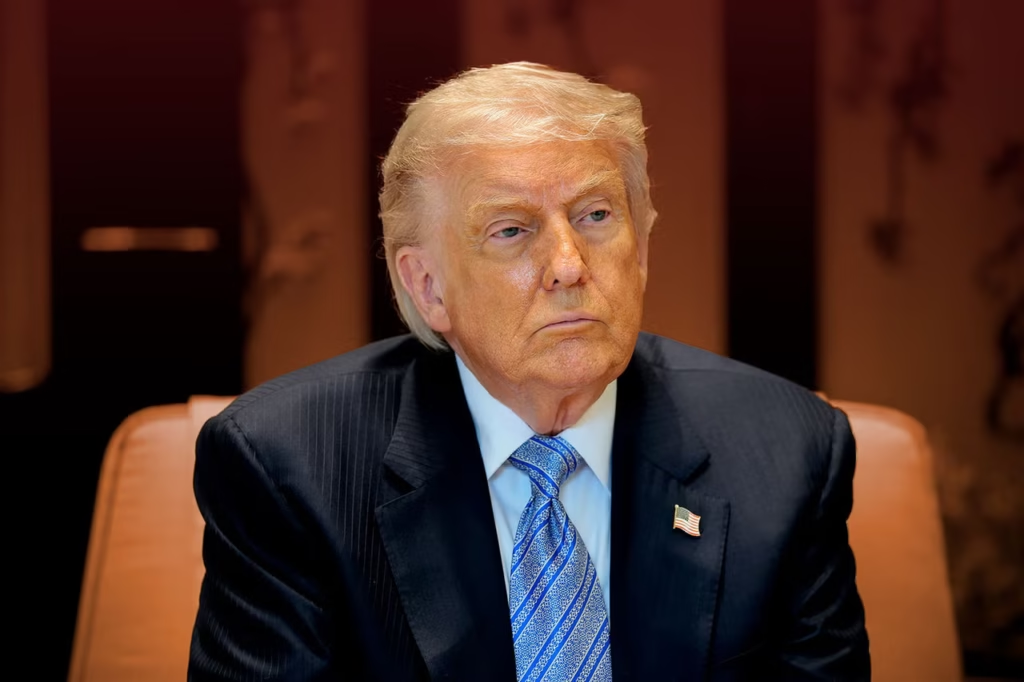
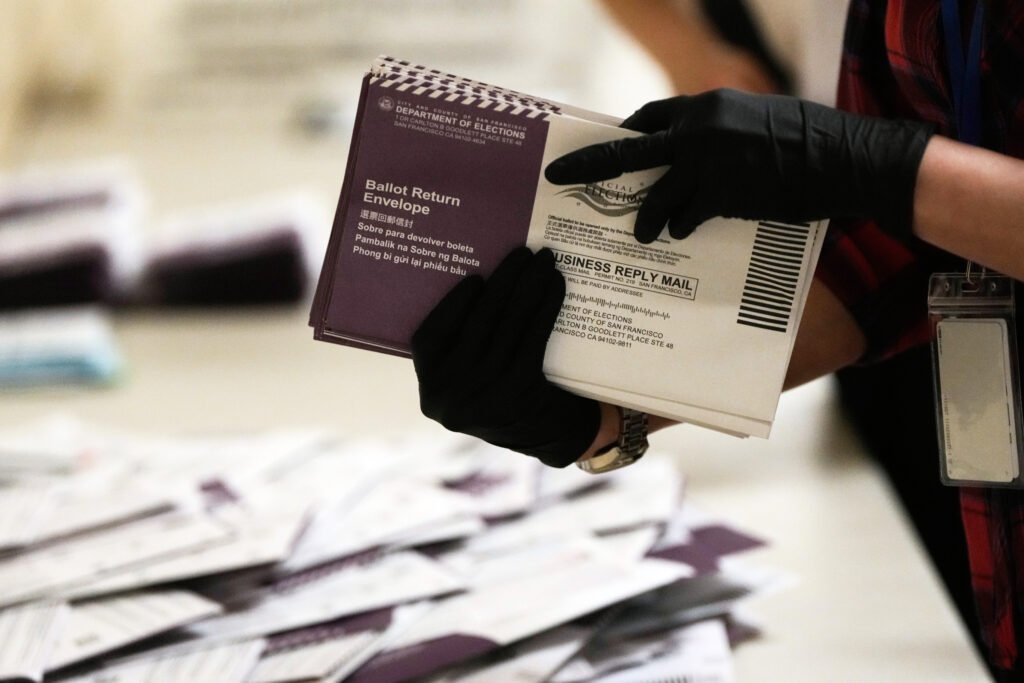
The Supreme Court of the United States rejected the Trump administration push to set aside thousands of California mail ballots that had been flagged as cast by possible noncitizens, declining to intervene in the California election on Election Day. The Supreme Court rejection is the most significant judicial check on the Trump administration election intervention strategy on Election Day itself. The court had already seen the DOJ Alaska certification lawsuit dismissed the day before (documented November 2). A SCOTUS rejection of the California ballot challenge — on a day when votes are being cast and counted — sends a clear signal about the limits of pre-certification judicial intervention in state election administration. California is the largest state by population, and any ruling affecting thousands of California ballots could have significant implications for House races in the state.
BREAKING NATIONAL / POLITICS / 2026 MIDTERMS · SUPREME COURT · TRUMP ADMINISTRATION · CALIFORNIA · MAIL BALLOTS · NONCITIZENS · SCOTUS REJECTS · ELECTION DAY · ARC
WASHINGTON — The Supreme Court rejected the Trump administration’s push to set aside thousands of California mail ballots flagged as possibly cast by noncitizens, declining to intervene on Election Day, according to AP, NYT, and BBC. The vote of the nine justices, whether the rejection was unanimous or divided, the legal theory behind the Trump administration challenge, which specific California races the disputed ballots could affect, the number of ballots at issue, the California Secretary of State response, whether the ballots will be counted as cast pending any post-election litigation, and whether the Trump administration intends to file additional legal challenges in California after Election Day were not detailed in initial reporting.
The Trump administration’s challenge to California mail ballots is part of a broader legal strategy to contest mail-in and absentee ballots that have been flagged through voter roll cross-referencing processes. California has one of the largest mail ballot programs in the country, having transitioned to an all-mail election system in recent years. The “possible noncitizen” flagging methodology is contested: critics argue it relies on database cross-matching that produces significant false positives, incorrectly flagging legitimate voters; supporters argue it is a necessary safeguard against ineligible voters. The Supreme Court rejection preserves California election administration under existing state law and procedures for Election Day counting. California House races include several of the most competitive seats in the national House map.
SCOTUS Election Day Intervention Doctrine
The Supreme Court has developed a body of precedent — sometimes called the Purcell principle — that generally disfavors federal court intervention in election procedures shortly before or during an election. The principle holds that last-minute changes to election rules create confusion, disrupt established procedures, and undermine voter reliance on publicized rules. A SCOTUS rejection of the California ballot challenge on Election Day itself is consistent with the Purcell principle: the court is particularly reluctant to intervene when votes are actively being cast and when any ruling would disrupt an ongoing election. The Trump administration’s legal strategy — filing challenges that courts are likely to reject on Purcell grounds — may be designed to generate political messaging rather than to achieve legal outcomes, or may be building a litigation record for post-election challenges.
“The Supreme Court has spoken. California elections will be administered by California law. Every eligible vote will be counted.” — California Secretary of State, response to SCOTUS ruling, via AP / NYT
WHAT HAPPENS NEXT
► SCOTUS vote — whether the rejection was unanimous or included dissents.
► Ballot counting — whether the flagged California ballots are included in Election Day counts.
► Post-election litigation — whether the Trump administration files new California ballot challenges after Election Day.
► California House races — whether any competitive House seat result is close enough to be affected by the disputed ballots.
► Legal theory — full text of the Trump administration legal argument and the court order rejecting it.
► Pattern — whether similar ballot challenges were filed and rejected in other states on Election Day.
| CONFIDENCE: HIGH | Supreme Court rejecting the Trump administration push to set aside California mail ballots flagged as possible noncitizens confirmed by AP, NYT, and BBC. Three-outlet confirmation across wire, national newspaper, and international broadcaster. SCOTUS vote composition, legal theory, number of ballots at issue, and post-election litigation plans NOT confirmed. Purcell principle, California mail ballot system, and Trump administration election legal strategy from established documented record. |
| Bias Check | ||
| Left-Lean | Center | Right-Lean |
| Frames SCOTUS rejection as defeat of a voter suppression campaign targeting minority and immigrant communities in California. | Reports confirmed the Supreme Court rejected the Trump administration push to set aside California mail ballots flagged as possible noncitizens, as stated by AP, NYT, and BBC. | Frames SCOTUS rejection as a missed opportunity to enforce election integrity and prevent ineligible votes from being counted. |
| Assessment | ONYX presents a confirmed three-source report. Arc connection to Nov 2 Alaska DOJ certification lawsuit dismissal documented. Purcell principle and California election law from established documented record. Neither voter-suppression nor election-integrity framing adopted editorially. | |
SOURCES
► AP, NYT, BBC — Supreme Court rejects Trump administration push to set aside California ballots; the high court declined to intervene on thousands of disputed mail ballots flagged as possible noncitizens