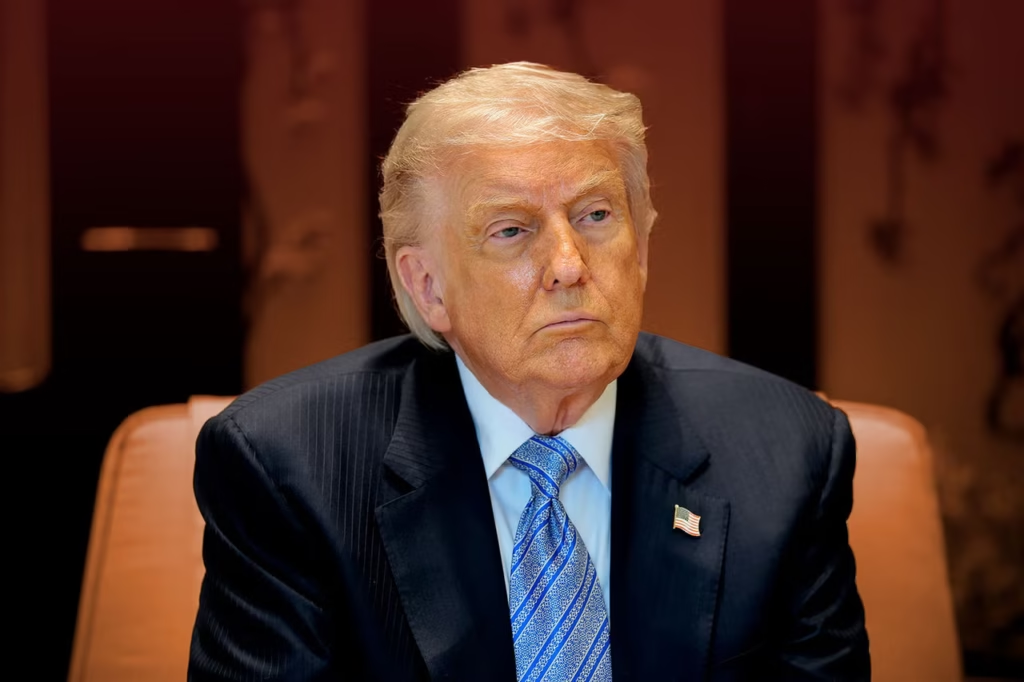
Acting Attorney General Todd Blanche confirmed in writing Sunday night that the Justice Department will abandon key elements of the settlement it struck with Trump over his lawsuit against the IRS — the lawsuit challenging the ongoing audit and tax enforcement actions against him personally. The reversal is a direct concession to Republican Sens. John Cornyn and Thom Tillis, who had explicitly conditioned their confirmation votes on DOJ providing written assurances that the most controversial provisions of the IRS deal would be unwound. Blanche — Trump’s own personal defense attorney turned acting AG — has walked back a benefit negotiated for his own boss in order to secure his own Senate confirmation.
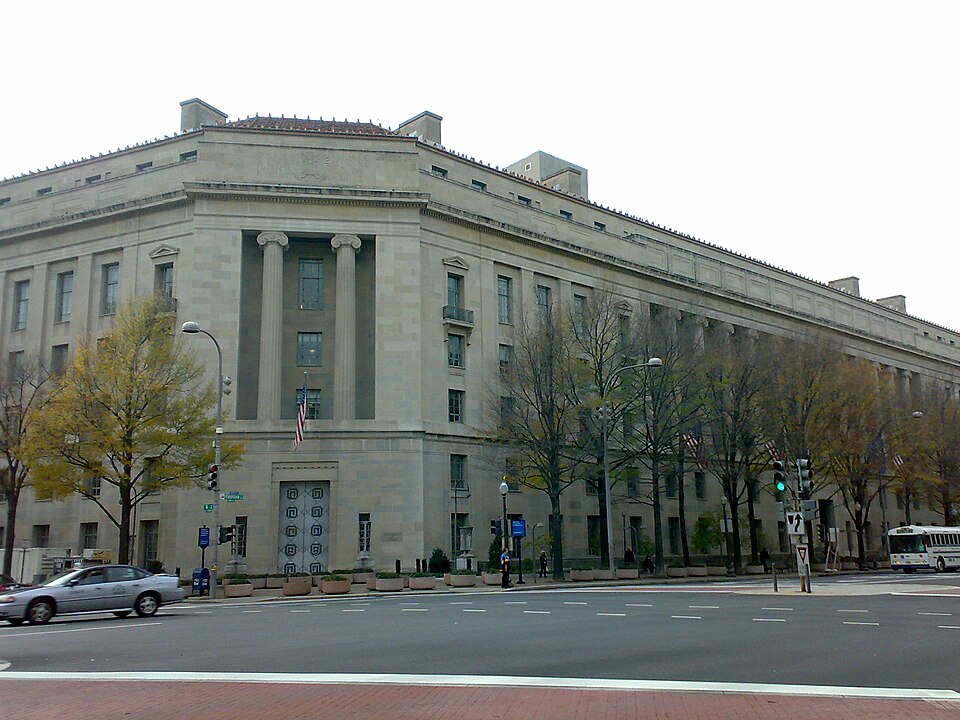
2-MINUTE CONTEXT — WHAT WAS THE IRS DEAL?
Trump’s IRS lawsuit challenged the legality of ongoing audit and enforcement actions against him personally, arguing presidential immunity and executive privilege concerns. The DOJ, under Blanche’s acting tenure, reached a settlement with Trump that critics said provided Trump with extraordinary protection from IRS scrutiny during his presidency — essentially shielding the sitting president from standard tax enforcement while he was in office.
Cornyn and Tillis — both institutionalist Republicans with records of occasionally crossing the administration on rule-of-law issues — demanded the DOJ provide written clarification that these protections would not be extended beyond their narrowest possible legal interpretation. They specifically wanted written commitment that the IRS’s normal enforcement authority over presidential tax matters would not be permanently compromised.
Blanche’s Sunday night written commitment abandoning key provisions is the product of that sustained standoff. It is politically remarkable for several reasons.
WHY THIS IS HISTORICALLY UNUSUAL
Presidential nominees walking back personal benefits negotiated for the president who nominated them — in writing, under direct pressure from the president’s own party — is genuinely unusual in American political history. The normal dynamic is: nominees endure opposition scrutiny; they defend the administration’s positions; the president’s party holds together.
What happened here is different: two Republican senators refused to vote for a Republican president’s own nominee unless that nominee walked back a benefit the president had personally secured. Blanche complied. That compliance signals several things simultaneously.
▸ Blanche values Senate confirmation enough to sacrifice an element of Trump’s personal benefit
▸ Cornyn and Tillis have genuine leverage — their two votes matter, which means the GOP Senate margin is thin enough that individual senators can extract concessions
▸ The IRS deal was controversial enough within the Republican Party that two of its own members were willing to stake their relationship with Trump’s own nominee on reversing it
▸ The written nature of the commitment matters — this is not a verbal assurance, it is a documented, binding DOJ position change
“I question whether justice was truly served.”
— Former US Attorney — a separate but thematically resonant statement about DOJ conduct under Blanche; the institutional pattern is worth noting
Blanche’s specific situation is structurally peculiar. He was Trump’s personal defense attorney during multiple criminal trials. He was appointed acting AG — meaning he is the nation’s top law enforcement officer while also being the former personal lawyer of the person whose administration he now leads. He has now walked back a settlement that his own DOJ negotiated for that same person, under pressure from that person’s own party senators.
The conflict of interest embedded in this entire sequence is structural, not incidental. It is the natural result of appointing a president’s personal attorney to lead the department responsible for overseeing that president’s own legal exposure.
| 🔍 ONYX REALITY CHECK VERDICT: TRUE WHY? Blanche’s written Sunday night confirmation of abandoning key IRS deal provisions is documented. The Cornyn-Tillis confirmation standoff is documented. The specific IRS deal being the substance of the dispute is documented. The characterization of this as historically unusual is editorial analysis of documented facts, clearly labeled as such. |
WHY THIS MATTERS
First, for the IRS deal itself: the provisions being abandoned are no longer protecting Trump in the way the original settlement provided. If the key provisions are walked back, Trump’s IRS exposure changes — the specific protections that generated Cornyn and Tillis’s objections are gone.
Second, for institutional norms: the fact that it took two Republican senators threatening a confirmation to produce this result tells you what wouldn’t have happened without that pressure. Absent Cornyn and Tillis’s standoff, the full IRS deal protections would presumably have remained in place. Institutional accountability in this case came from within the president’s own party, not from Democratic opposition or judicial review.
Third, for the confirmation itself: Blanche has now demonstrated he will walk back presidential personal benefits to secure his own Senate position. That tells both his supporters and his critics something about the limits of his loyalty to Trump’s personal interests when they conflict with his own institutional interests.
POLITICAL IMPACT
| WHO BENEFITS | WHO FACES NEW QUESTIONS |
| Cornyn and Tillis — vindicated; established precedent that they can extract concessions from AG nominees | Trump — lost a personal IRS protection; dealt an unusual intra-party reversal |
| DOJ institutional credibility — written commitment restores some appearance of normal enforcement norms | Blanche — his loyalty to Trump is now visibly conditioned on his own confirmation interests |
| Republican institutionalists — demonstrated that the rule-of-law faction has real leverage | DOJ career staff — must implement both the original deal and the reversal; institutional confusion |
WHAT HAPPENS NEXT
▸ Senate Judiciary Committee will schedule Blanche’s confirmation vote — Cornyn and Tillis’s assurance now secured; watch for the specific vote date
▸ IRS enforcement actions against Trump: the provisions being abandoned will determine what the IRS can and cannot now pursue; watch for DOJ implementation guidance
▸ Trump’s public response to the walkback will be telling — public acceptance would be unusually restrained; public criticism of his own nominee would be extraordinary
▸ Democrats will use the walkback as evidence that the original IRS deal was improper — expect House Judiciary oversight requests
| CONFIDENCE: HIGH | Blanche written commitment is documented (Sunday night confirmed by multiple outlets). Cornyn and Tillis standoff is documented from prior ONYX coverage (August 2). Specific IRS deal provisions are from DOJ settlement documents and reporting. Historical characterization is ONYX editorial analysis. |
| ⚖️ BIAS CHECK — WHO IS SAYING WHAT | |
| Cornyn / Tillis | Presenting the written commitment as a satisfactory resolution; both will likely vote for Blanche now |
| Democrats | Using as evidence of original impropriety in the IRS deal; calling for investigation of what provisions were and were not walked back |
| Trump / White House | Not yet public comment on Blanche’s reversal; any statement will be politically significant |
| Legal Ethics Experts | Noting the structural conflict of interest in a president’s personal attorney leading the department responsible for the president’s legal exposure |
| Conservative Media | Framing as Cornyn and Tillis being obstructionist; may not prominently cover the IRS protection reduction |
| Mainstream Media | Leading with the historical unusualness; nominee walkback of presidential personal benefit under own-party pressure is genuinely novel |
SOURCES
▸ Todd Blanche written commitment to DOJ — Sunday August 4, 2026 night, confirmed by multiple outlets
▸ Sen. John Cornyn (R-TX) and Sen. Thom Tillis (R-NC) — confirmation standoff documentation (see also ONYX August 2 coverage)
▸ IRS settlement with Trump — DOJ settlement documentation
▸ Senate Judiciary Committee — confirmation status
QUESTIONS YOU MAY STILL HAVE
Q: What specific provisions of the IRS deal is Blanche abandoning?
A: The full list of abandoned provisions has not been publicly released as of publication. The written commitment was described as abandoning “key elements” — the specifics will become clear when the DOJ publishes its updated position in the IRS litigation context.
Q: Does this mean Trump’s IRS audit is back on?
A: The audit context is complicated. The abandoned provisions relate to specific protections negotiated in the settlement. What those protections specifically covered will determine whether ongoing IRS review of Trump’s tax returns can proceed in ways previously blocked by the deal.
Q: Can Trump fire Blanche for this?A: Technically yes — acting officials serve at the president’s pleasure. But firing his own AG nominee for complying with Senate confirmation requirements would create an extraordinary political crisis within his own party. It is theoretically possible and practically very unlikely.