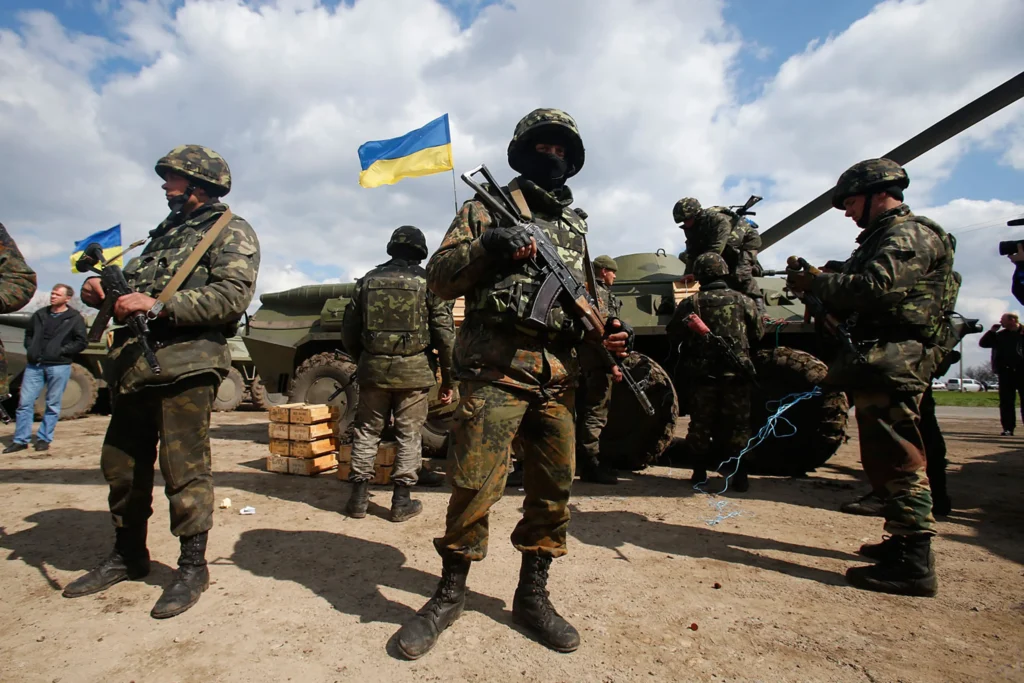
A newly discussed book argues that the outline of a new world order is already visible in conflicts that are under-covered and seemingly frozen — using the Israeli-occupied Golan Heights ceasefire line with Syria as one entry point into a broader argument about how quietly shifting regional power balances often precede more visible, headline-grabbing geopolitical ruptures.
THE ARGUMENT IN CONTEXT
The book’s central argument is that geopolitical transformation does not announce itself in press releases. It happens incrementally, in frozen conflicts that suddenly thaw, in ceasefire lines that suddenly move, in alliances that gradually shift. The Golan Heights ceasefire line — a boundary that has existed since 1973 and that now finds Israeli jeeps patrolling in Syrian territory that was historically contested — is the kind of quietly changed fact that the book’s argument identifies as evidence of a new order taking shape.
The relevance this week: we are watching multiple simultaneously occurring geopolitical shifts — the US-Iran conflict, the Hormuz governance question, the Patriot shortage and its implications for the US-Ukraine relationship, the Democratic primary results and their implications for US foreign policy — all of which are genuinely transformative without being accompanied by a formal announcement that the world order has changed.
| CONFIDENCE: MODERATE | Book existence and argument are documented from NPR discussion. Golan Heights ceasefire line status is established geographic and political fact. Analysis connecting the book’s argument to current events is ONYX editorial. |
SOURCES
▸ NPR — new world order book discussion, August 2026
▸ Golan Heights historical and current status — established geopolitical record