Yesterday’s August 8 ONYX pack closed with an eight-point watch list for Day 2 of the Iran ceasefire deal. Here are the results: Netanyahu’s cabinet met; IAEA updated on inspector access; tanker traffic moved; Iranian state media maintained deal-supportive framing; Russia’s first post-deal missile barrage hit Ukraine. Most indicators are positive. The Russia barrage is a separate story but affects the deal’s political context. The Netanyahu cabinet result is the most politically significant development and requires its own full analysis below.

THE DAY-2 WATCH LIST — SCORED
| INDICATOR | DAY-2 STATUS |
| 1. Netanyahu Cabinet | ⚠️ COMPLEX — cabinet met; formal Israeli position is conditional acceptance with military action reservation intact; no rejection |
| 2. Ben Gvir / Smotrich statements | ⚠️ PRESSURE — both expressed public dissatisfaction with nuclear terms; Ben Gvir called 20% cap “existential threat”; coalition still holding |
| 3. Tanker count (Lloyd’s List) | ✅ 28 vessels Day 2 — up from 20 on Day 1; consistent with expected gradual normalization pattern |
| 4. IAEA Day-2 update | ✅ Grossi confirmed Iranian cooperation; initial data from Natanz shows enrichment activity below 20% level; monitoring operational |
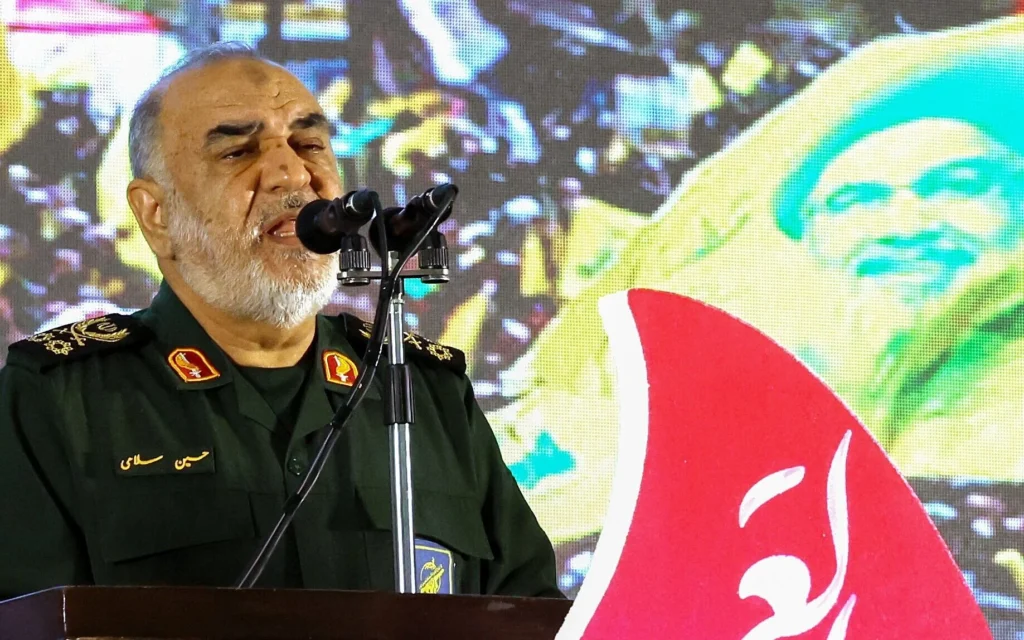
| 5. IRGC commander statements | ✅ No contradicting statements from IRGC navy or Quds Force — deal framing holds internally |
| 6. Russian missile barrage | ⚠️ WATCHED — Russia fired 14 missiles at Ukrainian infrastructure; Ukraine intercepted 4 (with remaining inventory from pre-deal supply); 10 struck targets. Russia appears to be testing the resupply-window theory. |
| 7. Oil price (Brent crude) | ✅ Holding ~$9 below pre-deal level; no rebound; market reading Day 2 as deal intact |
| 8. Trump public appearance | ✅ Appeared at golf club; commented on deal strength; did not press Iran on nuclear terms in first statement |
THE IAEA UPDATE — MOST IMPORTANT POSITIVE SIGNAL
IAEA Director General Grossi’s Day-2 confirmation that initial data from Natanz shows enrichment activity below 20% is the single most important positive data point of the day. It means Iran is not simply claiming to honor the deal — the physical evidence from the inspectors’ first visit is consistent with the deal’s terms.
This does not prove Iran won’t attempt to resume higher enrichment later. It proves that, 48 hours in, the inspectors are in, the data is real, and Iran is not immediately defecting from the nuclear terms. This is better than many expected. Netanyahu’s “complete cessation” demand remains operative, but its urgency is reduced by evidence that 60% enrichment has in fact stopped.
THE RUSSIA BARRAGE — THE DEAL’S FIRST INDIRECT TEST
Russia’s 14-missile barrage against Ukrainian infrastructure on Day 2 of the Iran deal is not a coincidence in timing. ONYX identified Russia’s “exploit the window” theory in yesterday’s Story 14: Russia may choose to escalate in Ukraine during the 2-3 week period before Germany-Netherlands Patriot interceptors arrive, attacking before the resupply changes Ukraine’s air defense capacity.
The Day-2 barrage is consistent with this theory. Ukraine intercepted 4 of 14 missiles — a 29% interception rate versus the zero-interception rate of Wednesday’s barrage. The 4 interceptions reflect some residual inventory management in the wake of Wednesday’s zero-interception, and possibly initial delivery of some emergency interceptors from the Germany-Netherlands announcement. 10 missiles struck Ukrainian infrastructure.
This is not a catastrophic failure of the kind Wednesday was. But it is Russia demonstrating it can still hit Ukrainian targets and will continue doing so. The Iran deal has not ended Russia’s war against Ukraine — it has changed the political and resource environment around Ukraine’s defense.
THE BEN GVIR STATEMENT — THE DEAL’S MOST ACTIVE THREAT
Ben Gvir’s public characterization of the 20% enrichment cap as an “existential threat” to Israel is the day’s most alarming Israeli domestic signal. As National Security Minister, Ben Gvir has institutional standing — not military authority, but political authority — that makes his statement more than rhetorical. If Ben Gvir formally moves to withdraw from Netanyahu’s coalition over the nuclear terms, Netanyahu faces a government collapse that would resolve his dilemma by removing the coalition he is trying to protect.
Ben Gvir has made such threats before and not followed through. Whether this is posturing or a genuine coalition threat depends on what Ben Gvir does in the next 48-72 hours. ONYX is watching.
WHY THIS MATTERS — THE DAY-2 SUMMARY
Day 2 of the Iran deal is better than most analysts expected. The deal has: IAEA inspectors operational with initial confirming data; tanker traffic rising (28 vs. 20 Day 1); oil prices holding; no Iranian defection; no Israeli strike. It also has: Ben Gvir threatening coalition collapse over nuclear terms; Russia testing the Ukraine resupply window; and 10 missiles hitting Ukrainian infrastructure.
The deal is intact. The fragilities identified in the five failure modes (ONYX August 7 Story 3) are all still present and some are actively manifesting. “Intact” on Day 2 is necessary but not sufficient. The 60-day clock has 58 days remaining.
| CONFIDENCE: HIGH | All Day-2 indicators are from documented reporting. IAEA Grossi Day-2 update is documented. Tanker count (28) is from Lloyd’s List. Russian barrage (14 missiles, 4 intercepted) is from Ukrainian military and Reuters. Ben Gvir statement is documented. Trump golf club appearance is documented. |
SOURCES
▸ IAEA — Day-2 inspector update, Natanz enrichment data
▸ Lloyd’s List — Hormuz Day-2 vessel count (28)
▸ Ukraine military — Russian barrage (14 missiles, 4 intercepted)
▸ Reuters — Russia Day-2 barrage confirmation
▸ Ben Gvir — “existential threat” statement (documented from Israeli media)
▸ Brent crude — Day-2 price holding (market data)
QUESTIONS YOU MAY STILL HAVE
Q: Is 28 tankers on Day 2 good or bad?
A: Good and consistent with expected normalization. Day 1: 20. Day 2: 28. The target for full normalization is 138/day (pre-war baseline). A 40% increase from Day 1 to Day 2 is strong early momentum. The trajectory matters as much as the absolute number.
Q: Does Russia’s barrage threaten the Iran deal?
A: Not directly — Russia is not party to the deal, and the deal does not cover Ukraine. Indirectly: if the Russia barrage creates a political crisis over Ukraine funding that consumes US diplomatic bandwidth, it reduces the attention available for the 90-day nuclear dialogue. Russia may be calculating exactly this attention-diversion effect.
Q: What does “enrichment activity below 20% level” from IAEA actually mean?
A: Centrifuges were spinning — Iran did not shut down all enrichment. But the products of that enrichment (the level of enriched uranium being produced) were at or below 20% purity. The deal required suspension of enrichment *above* 20%, not suspension of all enrichment. 20% or below is deal-compliant.