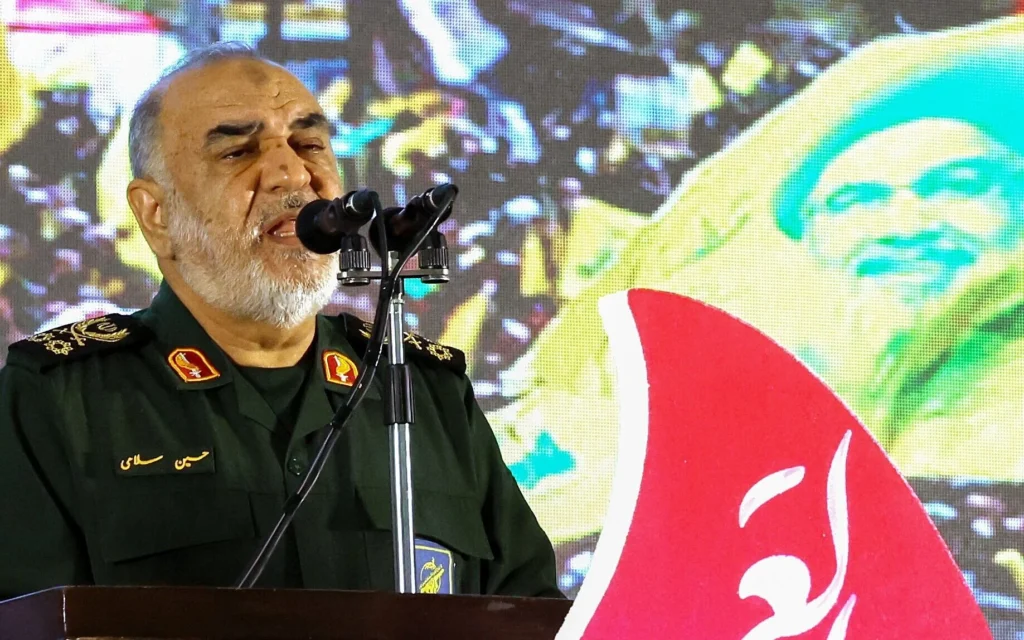
Shortly before the Iran-US ceasefire deal was signed on August 7, Iran’s state-run Press TV broadcast a five-point “peace framework” laying out Tehran’s complete conditions for ending the war. These demands were the negotiating context from which Araghchi and the Oman mediators extracted the actual deal. Understanding Iran’s maximalist position — and how far short the signed deal falls from it — is essential for understanding why the deal is structurally fragile and why Iran has built in the ability to escalate by not achieving its most ambitious demands.
THE FIVE DEMANDS — AND THE REALITY
| IRAN’S DEMAND | STATUS IN THE SIGNED DEAL |
| 1. Total halt to attacks and assassinations against Iranian personnel | Partially achieved — ceasefire covers military operations; Soleimani reparations not addressed |
| 2. Binding guarantee against future military aggression | NOT achieved — US rejected any permanent commitment foreclosing future military action |
| 3. Substantial reparations for war damage | NOT achieved — no reparations language in the deal; US will not pay reparations to Iran for a war the US initiated in response to Iranian actions |
| 4. Immediate end to hostilities on all military and cyber fronts | Partially achieved — ceasefire covers kinetic operations; cyber dimension is explicitly ambiguous |
| 5. Formal international legal recognition of Iran’s jurisdiction over the Strait of Hormuz | NOT achieved — Oman-Iran bilateral mechanism governs Hormuz without international legal recognition of Iranian sovereignty |
WHAT IRAN DIDN’T GET — AND WHY IT MATTERS
Three of Iran’s five demands are explicitly not in the deal: the binding guarantee against future military aggression, reparations, and formal Hormuz sovereignty recognition. Iran signed a deal that falls short of its stated maximum position in significant ways. This is exactly what Araghchi’s “strength-based de-escalation” domestic framing is designed to manage — the claim that Iran achieved its core objectives while accepting less than its maximum demands.
But the maximalist demands don’t disappear. They become part of Iran’s 90-day nuclear dialogue agenda — the framework negotiations that begin within the next two weeks. Iran will push for reparations in some form (perhaps as “reconstruction assistance” rather than “reparations”), for some version of Hormuz governance recognition, and for language limiting future US military options. These demands will not be accepted as stated. But they will shape the negotiating environment.
THE HORMUZ SOVEREIGNTY DEMAND — WHY IT’S THE MOST SIGNIFICANT
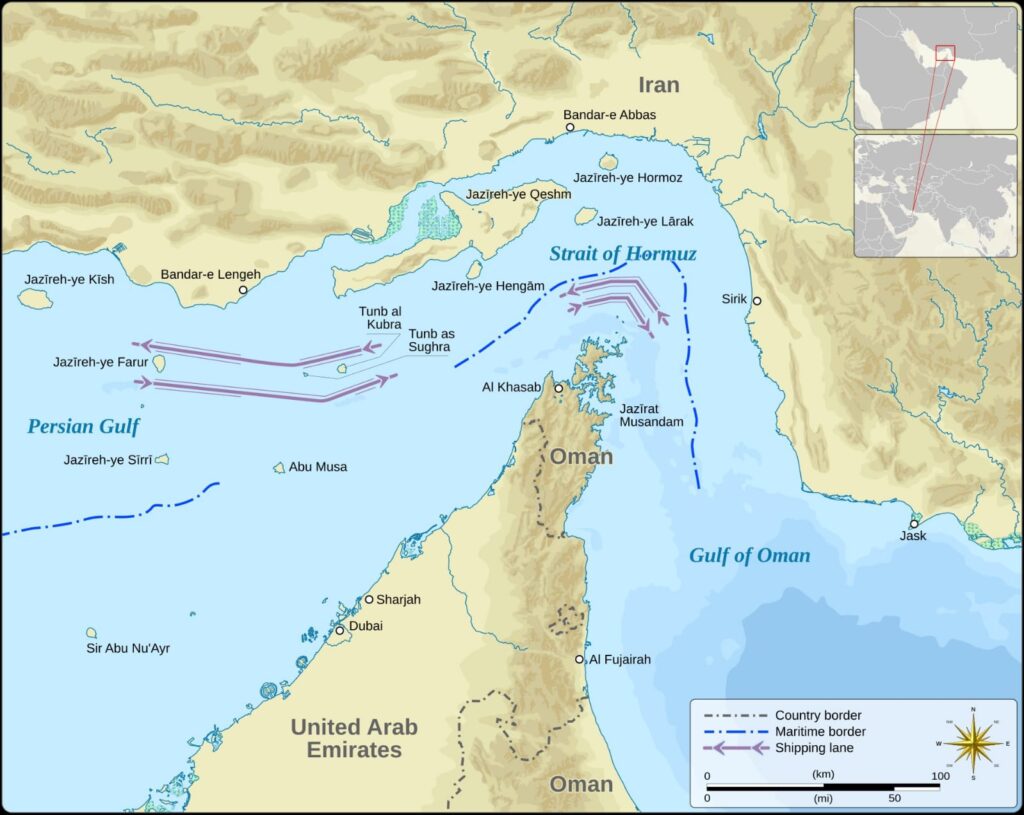
Iran’s demand for “formal international legal recognition of Iran’s jurisdiction over the Strait of Hormuz” is the most legally radical of the five. The Strait of Hormuz is governed by the United Nations Convention on the Law of the Sea (UNCLOS) — which establishes the right of innocent passage through international straits. Under UNCLOS, no state can claim exclusive jurisdiction over an international strait used for navigation.
Iran is asking the international community to formally recognize that this UNCLOS principle does not apply to Hormuz — that Iran has sovereign control over who passes, on what terms, and subject to what fees or restrictions. This would be a fundamental reordering of international maritime law.
It is not happening. No major power will accept this. The demand is in the document as negotiating leverage — it gives Iran something to trade away in exchange for other concessions. The Oman-Iran bilateral mechanism (which governs Hormuz governance without granting sovereignty) was the practical compromise. Iran got a governance mechanism. It did not get sovereignty recognition.
THE SOLEIMANI DIMENSION
Iran’s first demand — a “complete cessation of attacks and assassinations against Iranian personnel” — directly references the January 2020 US killing of Quds Force commander Qasem Soleimani. Iran has sought reparations for Soleimani’s killing for over six years. The demand’s inclusion in this five-point framework signals that Tehran views the current war’s resolution as incomplete without some form of Soleimani accountability.
The US position — that Soleimani’s killing was a legal act of self-defense in response to attacks on US personnel — has been consistent across administrations. No reparations payment for Soleimani will be offered. But the demand will resurface in every diplomatic negotiation until Iran chooses to formally drop it or achieves some form of face-saving acknowledgment.
| 🔍 ONYX REALITY CHECK VERDICT: TRUE WHY? Press TV five-point framework is documented from the broadcast. The deal terms (which do not include three of the five demands) are from confirmed reporting (Times of Israel, Reuters, Axios). The UNCLOS Hormuz governance framework is established international law. The Soleimani context is established history. The analysis of how the demands shape 90-day nuclear dialogue is ONYX editorial, clearly labeled. |
WHY KNOWING THE MAXIMALIST POSITION MATTERS
A negotiation can only be understood by knowing what each party wanted and what it settled for. The signed deal represents what Oman could extract from both sides under time pressure. Iran settled for: a 60-day Hormuz opening, 20% enrichment cap, ceasefire, and blockade modification. It did not get: binding guarantee against future war, reparations, Hormuz sovereignty, or cyber ceasefire clarity.
Each unachieved demand is a potential future grievance — a reason Iran can claim the deal was insufficient, a justification for escalation at day 61 if the nuclear dialogue track doesn’t produce more, and leverage in the 90-day negotiations. Understanding Iran’s five demands is understanding Iran’s negotiating script for the next 90 days.
| CONFIDENCE: HIGH | Press TV five-point framework is from documented broadcast. Deal terms comparison is from confirmed reporting. UNCLOS analysis is established international law. Historical context (Soleimani 2020) is established record. |
SOURCES
▸ Iran Press TV — five-point peace framework broadcast (pre-deal)
▸ Iran ceasefire deal terms — Times of Israel, Reuters, Axios (August 7 confirmations)
▸ UNCLOS — international strait governance (established international law)
▸ Qasem Soleimani killing — January 2020 (established historical record)
QUESTIONS YOU MAY STILL HAVE
Q: Why did Iran broadcast maximalist demands right before signing a deal that doesn’t meet them?
A: This is standard negotiating practice. Publicizing maximum demands before signing a deal that achieves less serves multiple purposes: it documents Iran’s ideal outcome for domestic audiences; it creates a public record of what Iran “really” wanted; and it sets up the 90-day nuclear dialogue agenda with Iran already having stated its preferred outcomes.
Q: Will Iran actually push for reparations in the nuclear dialogue?
A: Almost certainly yes, in some form. “Reconstruction assistance” or “economic partnership fund” is the diplomatic language that could provide Iran with some version of financial acknowledgment without the political poison of the word “reparations” for US domestic audiences.