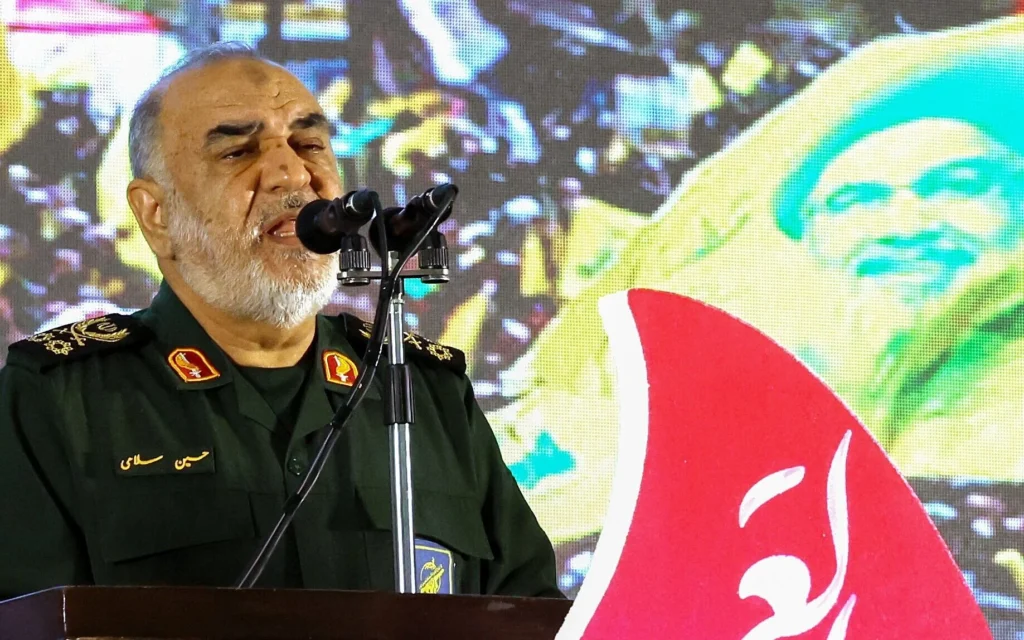
Iran’s five-point peace framework explicitly references “attacks and assassinations against Iranian personnel” — the diplomatic language covering the January 2020 US killing of IRGC Quds Force commander Qasem Soleimani. Six years later, Soleimani’s killing remains a central Iranian grievance, a condition in its war settlement demands, and a recurring reference point in Iranian domestic political communication. Understanding why helps explain why Iran’s position on reparations is not merely rhetorical.
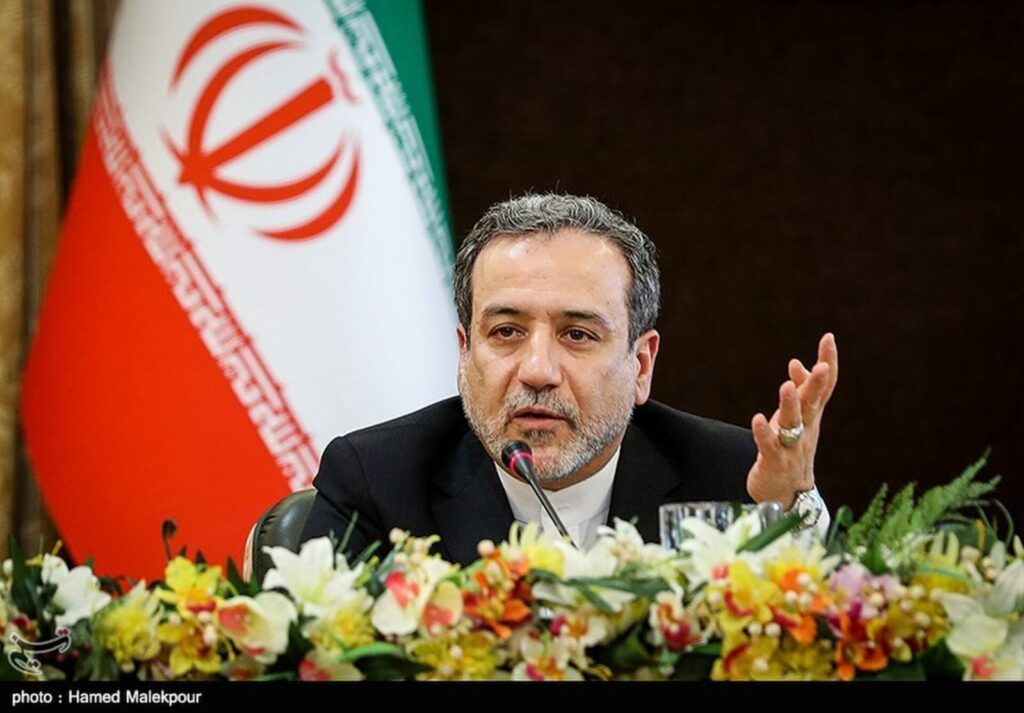
WHO SOLEIMANI WAS
Qasem Soleimani was the commander of the IRGC’s Quds Force — the unit responsible for Iran’s external military operations, proxy network management, and intelligence. He was by many accounts the most operationally significant Iranian military official outside the Supreme Leader himself. His relationships with Hezbollah, with Iraqi militia leaders, with Syrian government contacts, and with Houthi commanders were personal and decades-old. US and Israeli intelligence described him as responsible for the deaths of hundreds of Americans in Iraq through proxy attacks.
He was killed in a US drone strike at Baghdad International Airport on January 3, 2020. The strike was authorized by Trump. Iranian state television broadcast live funeral coverage as a national mourning event. The strike produced significant Iranian domestic political consolidation — an unusual moment where regime critics and regime supporters shared genuine grief.
WHY IRAN STILL DEMANDS ACCOUNTABILITY
For Iran’s political system, Soleimani’s killing is not a closed historical event — it is an ongoing grievance that has never been resolved by any acknowledged accountability, apology, or reparations. The current war was preceded by a period in which Iran conducted a series of precision strikes on US targets in the region that Iranian officials described as “initial retaliation” for Soleimani’s killing. The war is, in part, Iran’s unresolved grief and anger being expressed through military means.
Whether the 90-day nuclear dialogue can produce any formula that addresses Soleimani without requiring the US to acknowledge wrongdoing (which no US administration will do) is one of the hardest diplomatic questions of the coming months.
| CONFIDENCE: HIGH | Soleimani’s killing (January 3, 2020), his role, and Iran’s response are established historical record. The connection to Iran’s five-point peace framework is from the broadcast demands analysis (Story 11). |
SOURCES
▸ Soleimani killing — January 3, 2020 (established historical record)
▸ Iran five-point peace framework — reference to assassinations (Story 11 context)