Today’s research brief describes both Hormuz and Bab al-Mandeb as simultaneously disrupted — a double chokepoint story. ONYX corrects the Hormuz element directly: the ceasefire deal has had Hormuz open for five days, with approximately 50+ vessels transiting on Day 5, Lloyd’s war-risk premiums formally declining, and gas prices already falling at the pump. The double-chokepoint story is real but requires accurate framing: Hormuz is normalizing; Bab al-Mandeb remains genuinely disrupted by Houthi operations. The squeeze is now one-directional, not two-directional. That is still significant.
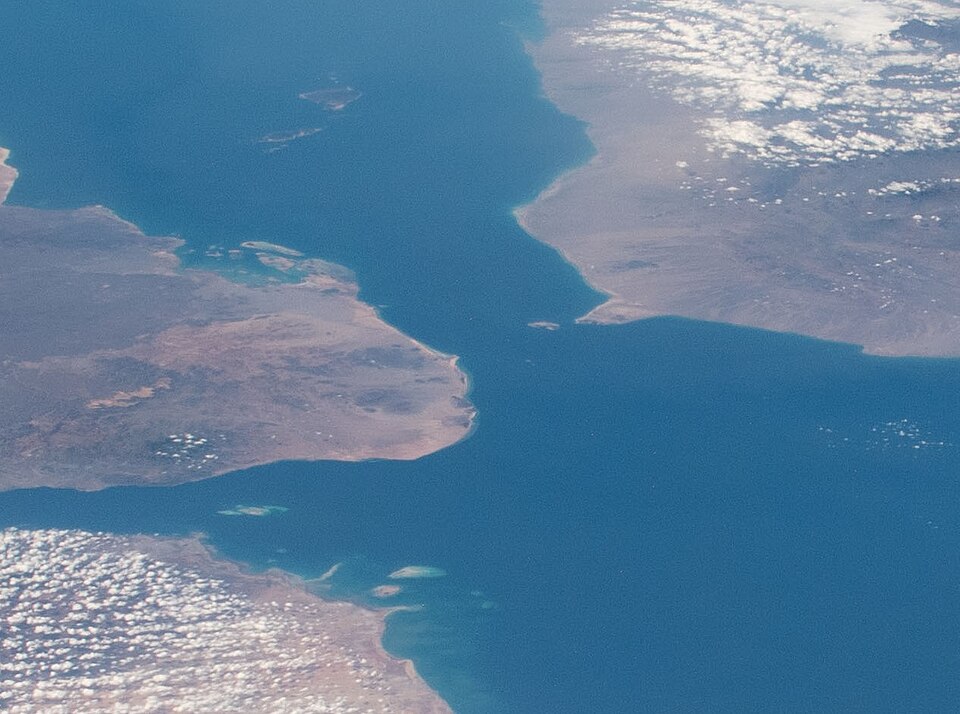
THE TWO CHOKEPOINTS — WHAT EACH CONTROLS
| STRAIT OF HORMUZ (normalizing) | BAB AL-MANDEB (disrupted) |
| Persian Gulf to Indian Ocean: ~50+ vessels/day and rising | Gulf of Aden to Red Sea: significantly disrupted since late 2023 |
| Saudi, UAE, Qatar, Kuwait oil and LNG exports | Asia-to-Europe shipping via Suez Canal primary route |
| ~20% of global oil supply at peak | ~10-15% of global trade by volume rerouted to Cape of Good Hope |
| Ceasefire deal operational; Lloyd’s reducing premiums | No ceasefire; Houthi operations continue; no near-term resolution |
| Gas prices falling $0.08/week at US pump | Red Sea shipping costs elevated; European inflation impact ongoing |
| Normalization expected within 2-3 weeks to pre-war baseline | Normalization requires Yemen conflict resolution; not imminent |
WHY THE REMAINING SQUEEZE STILL MATTERS
Even with Hormuz normalizing, Bab al-Mandeb’s continued disruption is a significant global trade cost. The Suez Canal route — which requires passing through Bab al-Mandeb — carries approximately 12-15% of global trade by volume, including a significant share of containerized goods moving between Asia and Europe. Rerouting around the Cape of Good Hope adds approximately 14 days and $1-2 million per voyage in fuel and time costs for large vessels.
European consumers are paying elevated prices for goods that traveled the long way around Africa. European energy costs remain higher than they would be if Qatari LNG were flowing freely through both straits. The Iran ceasefire addresses the Hormuz element; it does not address Bab al-Mandeb, and Bab al-Mandeb will not normalize without a Yemen political settlement that is not in prospect.
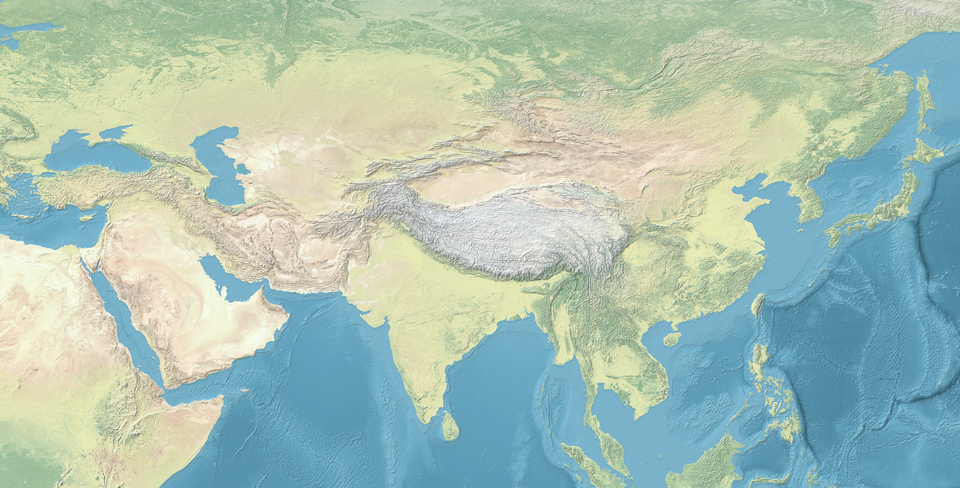
THE GEOPOLITICAL MAP
The asymmetry between the two chokepoints reveals something important about the Iran deal’s scope. The deal was designed to resolve the US-Iran direct military conflict. It was not designed to resolve Yemen, the Houthi campaign, or the Bab al-Mandeb disruption. Those are separate conflicts with separate political dynamics. The deal is a significant diplomatic achievement for what it addressed; it would be overstated to describe it as having resolved the Middle East’s regional energy security crisis.
| CONFIDENCE: HIGH | Hormuz status (normalizing, 50+ vessels Day 5) is from ONYX Days 1-5 tracking. Bab al-Mandeb disruption is from established reporting since late 2023 through current date. Cape of Good Hope rerouting costs are from established shipping industry data. ONYX explicitly corrects the brief’s dual-disruption framing. |
SOURCES
▸ ONYX Days 1-5 coverage — Hormuz vessel counts and Lloyd’s insurance data
▸ CNN/shipping industry data — Bab al-Mandeb disruption and Red Sea rerouting costs
▸ ONYX August 12 Section B Story 16 — Houthi Jazan strike context