Day 8 of the Iran ceasefire deal: the nuclear dialogue’s first session is complete. The parallel-track agenda compromise has been accepted by both delegations. Iran’s domestic reaction to the Muscat outcome is, as expected, framed as Iran achieving acknowledgment of its broader demands — the parallel track representing Iranian diplomatic success, not a concession. Ben Gvir has not issued a formal coalition ultimatum in response to the session, despite his prior ‘existential threat’ language about the 20% enrichment cap. The deal is operating on all primary indicators. The harder part — the substance of the nuclear dialogue in sessions two through however-many-it-takes — begins now.
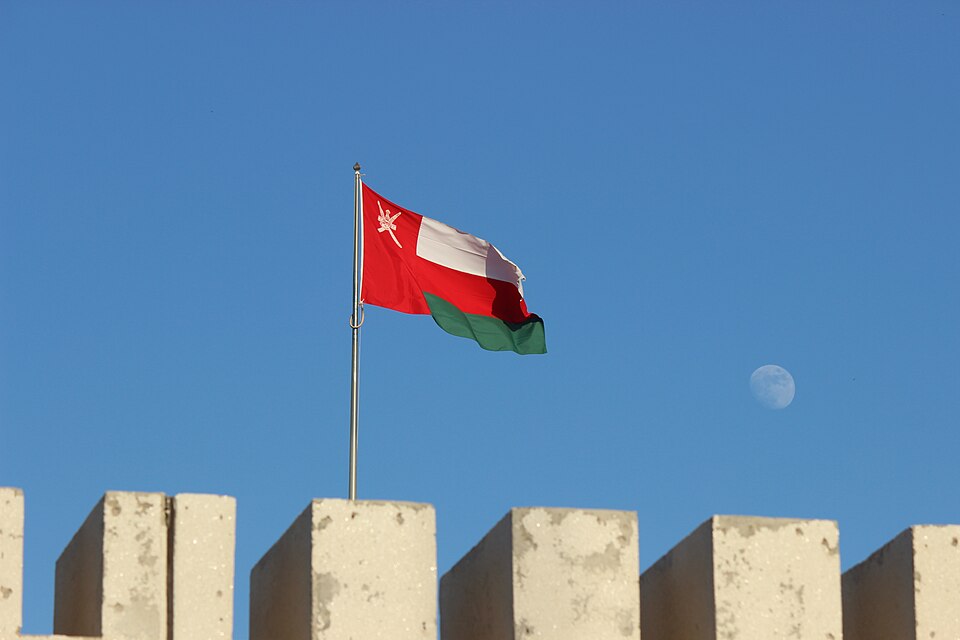
IRAN’S DOMESTIC FRAMING OF THE MUSCAT OUTCOME
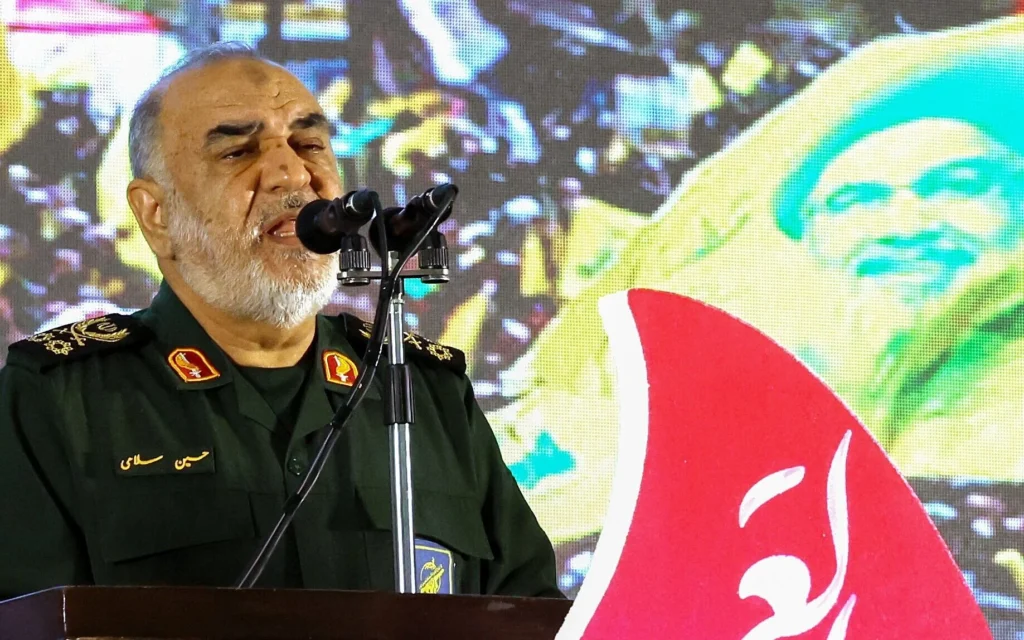
Iranian state media and Foreign Ministry statements in the aftermath of the Muscat session have framed the parallel normalization track as Iran winning acknowledgment of its broader demands. This framing is the domestic political necessity for the Araghchi team: they must be able to tell Iranian hard-liners that attending nuclear talks in Muscat did not mean accepting the US agenda exclusively. The parallel track is the mechanism that allows this.
Whether Iran actually believes the parallel track will produce reparations, Hormuz governance concessions, or military non-aggression guarantees — or whether it is understood by both sides as a face-saving diplomatic construction that buys continued dialogue — is the question that the second and third sessions will begin to answer. The content of the parallel track is the test of its substance.
BEN GVIR’S RESPONSE — AND WHAT IT MEANS
Ben Gvir has not issued a formal coalition ultimatum following the Muscat session. This is the most important positive political signal of Day 8. His ‘existential threat’ language (August 8) set up the expectation of an ultimatum trigger connected to the nuclear dialogue’s first content. The absence of that ultimatum — so far — has two possible explanations:
▸ The parallel track structure gave him enough: if Netanyahu can characterize the Muscat outcome as the US acknowledging Israel’s security concerns through the parallel briefing mechanism, Ben Gvir may find it politically manageable to continue without triggering a formal ultimatum
▸ He is waiting for specific nuclear content: the first session produced procedural framework (agenda, parallel track, second session commitment) rather than substantive nuclear terms; Ben Gvir’s actual trigger may be when specific enrichment levels or verification provisions are proposed
Which explanation is correct will become clear in the second session. If the second session produces specific nuclear terms and Ben Gvir responds immediately with a formal ultimatum, interpretation 2 is correct. If he continues without escalating, interpretation 1 is correct. Either way, the deal survived the first session without an Israeli coalition collapse.
Ben Gvir didn’t pull the trigger after Muscat. The question is whether he’s waiting or he’s satisfied. The second session will answer that.
THE SECOND SESSION — WHAT IT MUST PRODUCE
The first session established: the process is operational; both sides are at the table; the agenda framework is agreed. The second session must begin producing substance. That means moving from ‘what are we negotiating’ to ‘here are our positions on the specific nuclear questions.’ The specific issues that must emerge in the second and third sessions:
▸ Iran’s maximum enrichment level — the central nuclear number; everything else is secondary to this
▸ Enriched stockpile disposition — what happens to Iran’s existing enriched uranium, some of it at 60%
▸ Centrifuge capacity limits — how many and what type of centrifuges Iran can operate
▸ IAEA inspection access permanence — is this temporary (as long as the deal holds) or permanent?
▸ Verification trigger — what happens if the IAEA finds a violation
THE DAY-8 DEAL FULL STATUS
▸ Hormuz: ~60+ vessels/day (Day 8 estimate); normalization steady
▸ IAEA: monitoring at Natanz/Fordow continuing; below-20% enrichment through Day 7
▸ Oil: Brent crude ~$7-8 below pre-deal; nuclear dialogue positive result should sustain
▸ Gas prices: -$0.15-0.20 at pump and declining toward the $0.28-0.38 full projection
▸ Ben Gvir: no formal ultimatum; watching for second session content
▸ Second session: to be scheduled; date not confirmed
▸ 51 days to October 6 (Day-60 Hormuz expiration)
| CONFIDENCE: HIGH | Iranian state media framing of Muscat outcome is from documented reporting. Ben Gvir’s non-ultimatum status is from Israeli media monitoring. Day-8 deal indicators are from ONYX cumulative tracking. Second session requirement analysis is ONYX editorial based on documented deal framework. |
| ⚖️ BIAS CHECK — WHO IS SAYING WHAT | |
| Iran | Framing parallel track as diplomatic success; managing domestic hard-liner reaction |
| Ben Gvir | Watching; has not escalated; the next signal will come when specific nuclear terms emerge from the dialogue |
| Netanyahu | Successfully managed Week 1 coalition dynamics; the parallel briefing mechanism is holding |
| US Delegation | Satisfied with the first-session outcome; the parallel track compromise was the US’s proposed solution |
| ONYX | Continuing daily tracking; every indicator is being assessed against the five failure modes identified August 7 |
SOURCES
▸ ONYX August 14-15 Section A Story 1 — Muscat session outcome
▸ Iranian state media — parallel track framing post-Muscat
▸ Israeli media — Ben Gvir non-escalation status
Q: Is the parallel normalization track real or performative?
A: Both, simultaneously. It is real as a diplomatic structure — it has been agreed, it has a name, it will have meetings. Whether it produces substantive outcomes depends on whether the US is willing to offer anything Iran values on reparations, Hormuz governance, or military non-aggression. If the US is not, the parallel track is a face-saving mechanism that bought continued nuclear dialogue without delivering what Iran said it wanted on the broader agenda.
Q: When is the second session?
A: Not confirmed in available reporting as of August 15. The Oman-mediated schedule will be announced. The specific timing will reveal how quickly both sides want to move from first-session procedure to second-session substance.