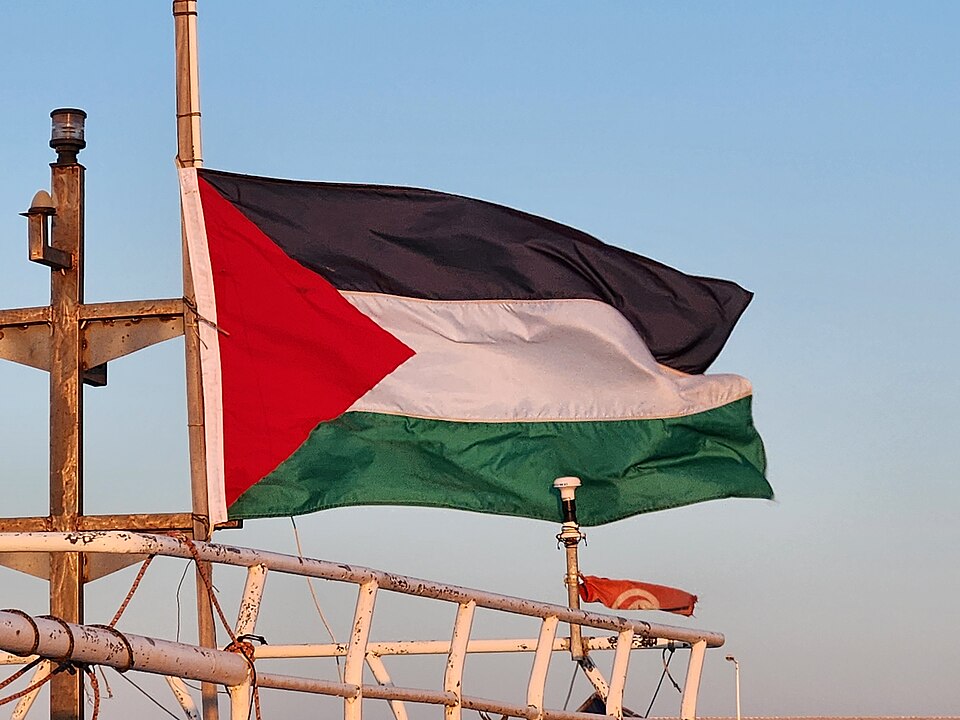
The Palestinian Authority — which governs the West Bank and is the internationally recognized Palestinian governing body — is facing a severe financial crisis that threatens its ability to pay employees and maintain security forces, according to established reporting. This financial collapse is directly relevant to every Gaza governance framework being discussed: any post-Hamas governance arrangement for Gaza requires a viable Palestinian governing entity. If the PA is collapsing financially, the governance vacuum that any ceasefire deal tries to fill has grown larger.
THE PA’S FINANCIAL CRISIS
The Palestinian Authority’s revenue comes from three primary sources: tax revenues collected by Israel and transferred to the PA under the Oslo Accords (approximately 65% of PA revenues); international donor budget support; and PA-generated domestic revenues. All three are under stress:
▸ Israeli tax transfers: Israel has withheld or reduced PA tax transfers at multiple points, including as a response to PA payments to families of individuals convicted of attacks on Israelis (the ‘pay-for-slay’ controversy); recent withholdings have compounded the crisis
▸ International donor support: donor fatigue and competing humanitarian demands have reduced budget support; the Gaza war has consumed donor attention and funding
▸ Domestic revenues: the West Bank economy has been damaged by the security deterioration and closure policies that Israeli operations in the West Bank have produced
WHY THIS MATTERS FOR GAZA GOVERNANCE
Every Gaza governance framework discussed since October 7 — including the original 15-point roadmap Kushner developed — implicitly or explicitly envisions a reformed Palestinian Authority eventually taking some governing role in Gaza. The PA is the only internationally recognized Palestinian governing body. If Hamas cannot govern Gaza and the PA cannot financially sustain its own governance capacity, there is no obvious alternative institution.
The governance vacuum this creates: who governs Gaza post-ceasefire if both Hamas (unable to govern under any Western-backed framework) and the PA (financially incapacitated) are unavailable as governing entities? The Board of Peace’s role specifically addresses this gap; but the Board cannot substitute for a Palestinian governing institution with legitimacy and capacity.
Hamas cannot govern Gaza in any Western-backed framework. The Palestinian Authority may not have the money to govern Gaza in any framework. The governance question that every ceasefire plan depends on does not have a ready answer.
THE WEST BANK DISPLACEMENT NOTE
ONYX has maintained a standing note since August 7 that West Bank coverage is being displaced by Iran deal coverage. The PA’s financial crisis is a West Bank story with direct Gaza implications. ONYX covers it today because the governance framework discussions make it directly relevant, not as a standalone West Bank story. The West Bank’s full coverage deficit remains.
| CONFIDENCE: HIGH | Palestinian Authority financial crisis and revenue source analysis are from established reporting and PA budget documentation. Governance framework relevance analysis is ONYX editorial based on documented Gaza ceasefire negotiations. |
SOURCES
▸ Established reporting — Palestinian Authority financial crisis, West Bank governance