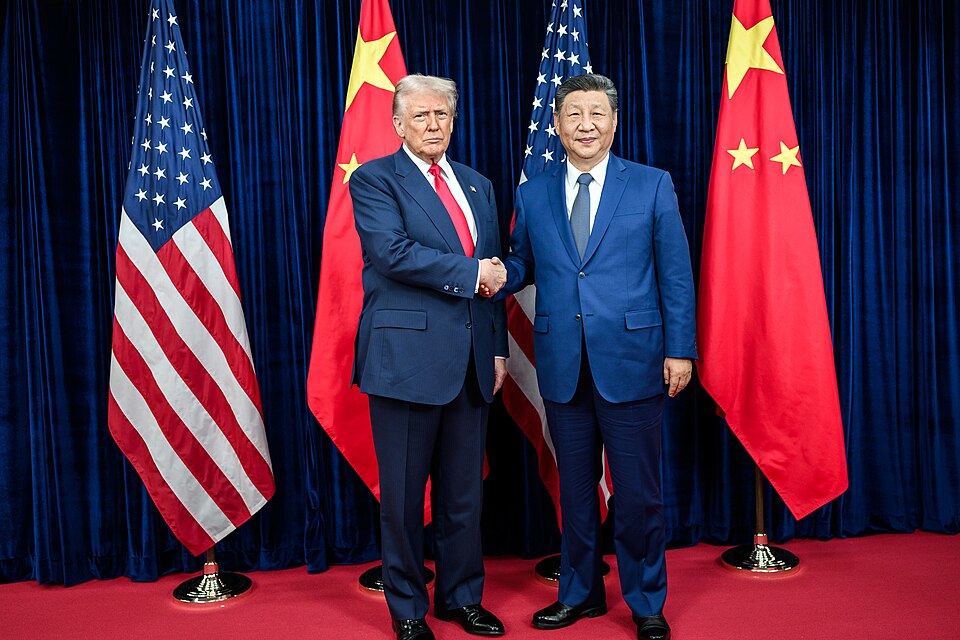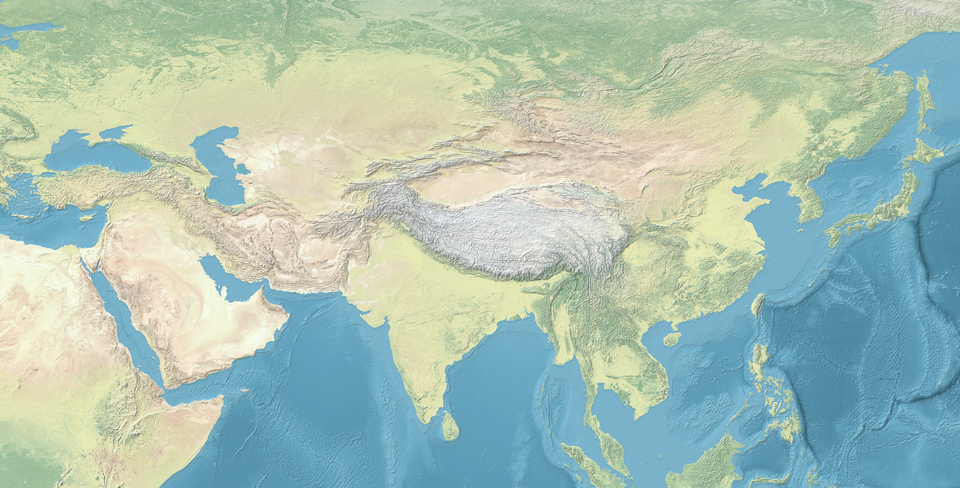
New economic data strengthens the empirical case connecting Chinese chemical precursor exports to Mexico’s cartel fentanyl production pipeline, according to NPR. The specific data: pharmaceutical chemical exports from China to Mexico have increased in categories that include fentanyl precursor chemicals; those increases correlate with documented increases in fentanyl production capacity in Mexico; and the fentanyl produced flows across the US-Mexico border as the primary source of US fentanyl supply. Trump has used this data pattern as justification for tariffs on both China and Mexico, arguing economic pressure is a counter-fentanyl tool.
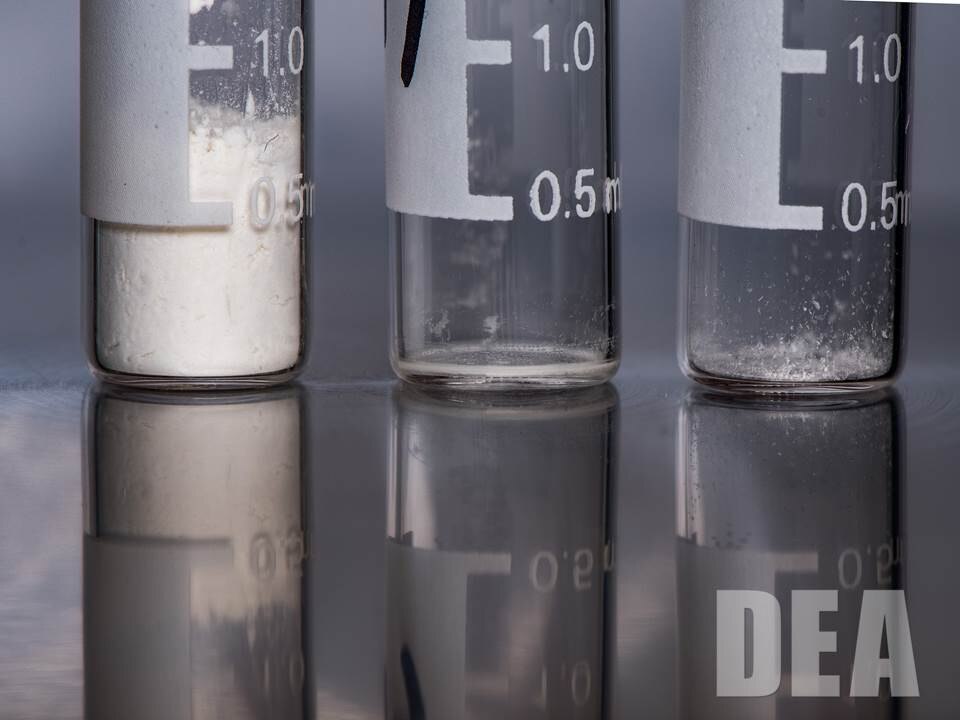
THE SUPPLY CHAIN BREAKDOWN
The fentanyl supply chain that the economic data is documenting:
▸ China: chemical companies produce fentanyl precursor chemicals (primarily para-anisoylchloride, 4-piperidone, and NPP, among others) and export them to Mexico, often through legal chemical trade channels that are difficult to monitor
▸ Mexico: cartel-affiliated laboratories synthesize fentanyl from Chinese precursors; the Sinaloa Cartel and CJNG have the largest documented fentanyl production operations
▸ US border: fentanyl crosses the US-Mexico border through ports of entry concealed in legitimate cargo, mail and express consignments, and on individuals; the Drug Enforcement Administration’s primary interdiction challenge is the small physical footprint of lethal fentanyl quantities
▸ US distribution: cartel networks distribute fentanyl through established drug distribution infrastructure in US cities
WHAT THE NEW ECONOMIC DATA SHOWS
The specific correlation the NPR economic data establishes: increases in Chinese precursor chemical exports to Mexico correlate with increases in documented Mexican cartel fentanyl production capacity. This is correlation, not causation — the chemical categories involved have legitimate uses, and establishing that a specific export was used for fentanyl production rather than legitimate pharmaceutical purposes requires investigative and intelligence analysis beyond the trade data alone.
What the correlation does establish: the precursor supply chain is real and documentable through trade data; China’s chemical export industry is a material supplier in that supply chain; and the volume of precursor exports is not consistent with legitimate Mexican pharmaceutical demand.
THE TARIFF-AS-COUNTER-FENTANYL ARGUMENT
Trump’s specific argument: tariffs on China and Mexico are not just trade policy; they are counter-fentanyl policy, using economic pressure to reduce the economic incentive for China to export precursors and Mexico to produce fentanyl. The argument’s specific problem: Chinese chemical companies benefit from the precursor trade regardless of US tariffs on other Chinese goods; fentanyl’s profit margins are high enough that cartel economics are not significantly affected by tariff pressure on legal trade; and the specific chemical companies involved in precursor exports are not the same actors that US tariffs target through broader trade measures.
| 🔍 ONYX REALITY CHECK VERDICT: MISLEADING CONTEXT WHY? Trump’s claim that tariffs on China and Mexico are effective counter-fentanyl policy is MISLEADING CONTEXT. Tariffs target legal trade goods; fentanyl trafficking operates through criminal channels that are not directly affected by legal trade tariff rates. The precursor supply chain documented in the economic data operates partly through legitimate commercial channels that could theoretically be affected by chemical-specific export controls, but broad trade tariffs on all Chinese or Mexican goods are not the targeted policy instrument that the supply chain analysis calls for. The economic data strengthens the case for targeted chemical export controls and supply chain monitoring, not for broad tariffs. |
WHAT ACTUALLY WORKS
The counter-fentanyl policy tools that empirical research supports:
▸ Targeted chemical export controls: working with Chinese regulators to schedule specific precursor chemicals as controlled substances subject to export licensing
▸ Supply chain monitoring: sharing trade data between DEA, CBP, and Chinese customs to flag anomalous precursor shipments
▸ Financial intelligence: tracking cartel financial flows to disrupt the economic incentive for production
▸ Demand-side treatment: addressing US opioid demand through addiction treatment and harm reduction
▸ Port-of-entry detection: improving fentanyl detection technology at border crossings
WHAT HAPPENS NEXT
▸ US-China chemical precursor negotiations — whether the economic data produces specific chemical export control discussions
▸ Tariff framework — whether the counter-fentanyl framing survives legal challenges to tariff authority
▸ DEA operational changes — whether the supply chain data informs specific enforcement priorities
| CONFIDENCE: HIGH | New economic data on Chinese precursor exports and correlation with Mexican cartel production are from NPR confirmed reporting. Supply chain breakdown is from established DEA and think tank documentation. ORC on tariffs-as-counter-fentanyl is ONYX editorial, clearly labeled. |
| ⚖️ BIAS CHECK — WHO IS SAYING WHAT | |
| Trump Administration | Using the economic data to justify both counter-narcotics framing for tariffs and to strengthen the case for tariff-based economic pressure |
| China | Has taken some steps to schedule fentanyl precursors but has not fully controlled the chemical export supply chain; will not characterize its chemical industry as complicit |
| Mexico | Is the production location but also a significant victim of cartel violence; the Mexican government has its own enforcement interest in precursor supply control |
| DEA / Counter-Narcotics Community | Supports targeted supply chain intervention; is more skeptical of broad tariffs as a counter-fentanyl tool |
SOURCES
▸ NPR — China-Mexico fentanyl precursor economic data, August 23, 2026
▸ DEA — fentanyl supply chain documentation (established)