
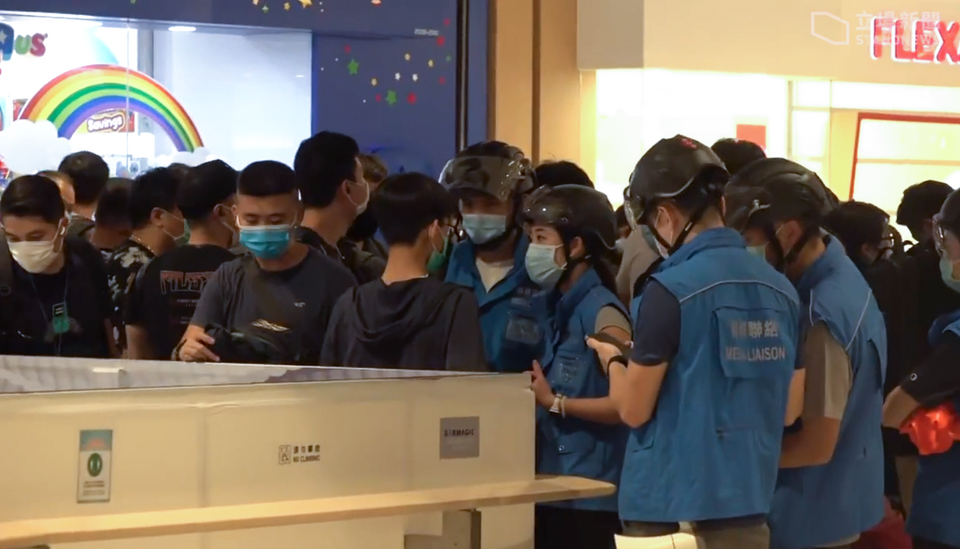
A growing number of US cities are implementing restrictions that limit teenagers’ access to malls, parks, and other public spaces, according to CNN’s investigation. The restrictions range from curfew ordinances that apply to minors to private mall policies that exclude unaccompanied teenagers during specific hours to park regulations that limit large youth gatherings. CNN documents an accelerating trend that has real implications for how American teenagers experience public life, community, and civic space.
THE POLICY MECHANISMS
The restrictions take several legal forms:
▸ Municipal curfew ordinances: many cities have existing juvenile curfews that prohibit minors from public spaces after certain hours; some have expanded these to cover earlier times or broader areas
▸ Private property exclusions: shopping malls are private property; mall management can and does exclude unaccompanied minors during specified hours without requiring legal authority
▸ Park restrictions: some municipalities have implemented rules limiting unsupervised youth gatherings in parks, including requirements for adult supervision for groups above a certain size
▸ Loitering enforcement: increased police presence in areas with youth gathering traditions, combined with loitering ordinances, has effectively excluded teenagers from spaces they historically used
THE CIVIL LIBERTIES DIMENSION
Youth exclusion from public spaces raises specific constitutional questions: First Amendment assembly rights apply to minors; youth curfews have been challenged in federal courts with mixed results; and the specific application of loitering enforcement to teenagers has documented racial disparities — the restrictions fall disproportionately on Black and Latino youth in public spaces.
The policy tension: municipalities argue that restrictions reduce youth crime and create safer environments; civil liberties advocates argue that excluding young people from public life damages their civic development, their social connections, and their access to the public spaces that belong to everyone.
Public spaces exist for the public. When ‘the public’ is increasingly defined to exclude teenagers, the policy is deciding which citizens’ presence in public life is welcome and which is not.
THE YOUTH DEVELOPMENT RESEARCH
The research literature on youth access to public space documents specific developmental consequences of restriction: adolescents who lack access to safe public gathering spaces have reduced opportunities for peer socialization; their development of civic identity and community belonging is impaired; and some research documents increased risk behaviors among adolescents with nowhere to gather compared to those with access to supervised or unsupervised public spaces. Excluding teenagers from public life is not a neutral policy choice.
| CONFIDENCE: HIGH | Youth restrictions from malls, parks, and public spaces and CNN investigation are from confirmed CNN reporting. Constitutional and civil liberties analysis is from established First Amendment and youth law documentation. |
SOURCES
▸ CNN — teenagers public space restrictions, investigation, August 24, 2026