Sae Joon Park, an Army veteran awarded the Purple Heart, was forced to self-deport to South Korea last year after immigration authorities tied his removal order to two convictions — bail jumping and drug possession — from more than 15 years ago, incurred while he struggled with untreated PTSD from his combat service. New York Governor Kathy Hochul granted Park a full pardon on Friday, erasing both convictions and calling it a ‘second chance through rehabilitation.’ Park’s statement: ‘I know there is still work ahead, but today I have hope that I may finally be able to come home.’
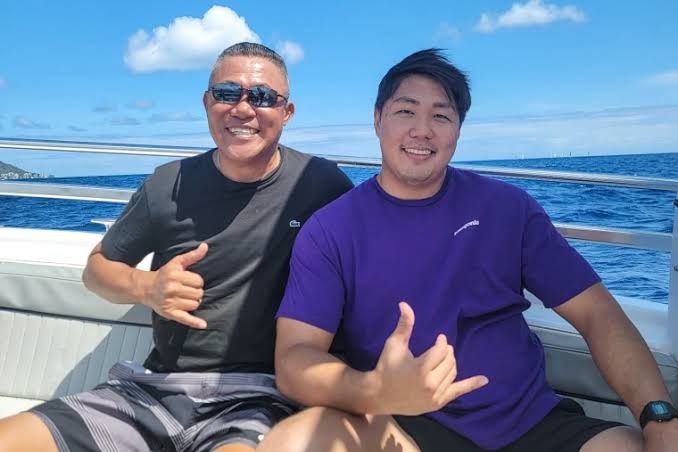
SAE JOON PARK — THE SPECIFIC LIFE
ONYX covers Sae Joon Park’s specific life because the accountability for what happened to him requires understanding who he is:
▸ Born in South Korea; came to the United States at age 7; grew up as a legal permanent resident
▸ Joined the US Army at age 19 and served in combat
▸ Awarded the Purple Heart — the military decoration given to those wounded or killed in the service of the United States
▸ Returned from combat with untreated PTSD; the mental health consequences of that service produced the legal incidents that immigration authorities later used against him
▸ Two convictions: bail jumping and drug possession, more than 15 years ago, during the PTSD period
▸ Received a removal order tied to those convictions
▸ Self-deported to South Korea — a country he had not lived in since age 7, returning for the first time in nearly 50 years
Park’s specific situation illustrates a documented pattern in immigration enforcement: non-citizen veterans with old, minor convictions tied to mental health or substance use — conditions frequently connected to combat service and inadequate VA support — are subject to removal orders even after years of subsequent rehabilitation and community membership.
THE PTSD DIMENSION
Untreated PTSD is a documented driver of the specific behaviors that produced Park’s convictions. The evidence base is clear and substantial: combat veterans with PTSD have elevated rates of substance use disorder, legal system contact, and housing instability in the period following return from deployment, particularly when VA mental health services are inadequate or delayed. Bail jumping and drug possession in this context are symptoms of a condition the military’s service produced and the VA’s support systems failed to adequately treat.
The specific accountability question: the US government sent Park to combat, awarded him the Purple Heart for what that combat cost him, failed to adequately treat the PTSD his service produced, and then used the legal consequences of that untreated PTSD to deport him to a country he left at age 7. Those four steps constitute a specific, documented institutional failure.
THE HOCHUL PARDON
Governor Hochul’s full pardon erases both convictions from Park’s record. The pardon does not automatically restore his ability to return to the United States — that requires immigration authorities to act on the pardon and reinstate his legal permanent resident status or grant other immigration relief. The pardon removes the legal predicate for his removal order; whether federal immigration authorities honor that removal is the specific next step.
THE MAGAZINER-NOEM EXCHANGE
At a December House Homeland Security hearing, Representative Seth Magaziner directly asked DHS Secretary Kristi Noem to help find Park ‘a pathway back to this country that he sacrificed so much for.’ Noem responded that she would ‘absolutely look at his case.’ With the pardon now granted, the status of Noem’s review — whether DHS has identified a pathway as she committed to look for — is the specific accountability question that follows the pardon.
“I know there is still work ahead, but today I have hope that I may finally be able to come home.”
— Sae Joon Park, statement upon learning of Governor Hochul’s pardon
THE BROADER PATTERN
Sae Joon Park’s case is not an isolated anomaly. The deportation of non-citizen veterans — people who joined the US military as legal permanent residents, served, and were removed for old convictions — is a documented pattern that has produced advocacy organizations, congressional hearings, and legal challenges. The specific legislative and administrative tools that could prevent this pattern — automatic citizenship for those who complete military service, special review processes for veteran deportation cases — exist in various forms but have not been applied comprehensively.
WHAT HAPPENS NEXT
▸ DHS response — whether federal immigration authorities honor the pardon and provide a pathway for Park’s return
▸ Noem accountability — whether her December commitment to look at Park’s case has produced any administrative action
▸ Park’s immigration status — restoring legal permanent resident status requires specific federal action
▸ Broader veteran deportation policy — whether Park’s pardon accelerates any legislative or administrative action on the broader pattern
| CONFIDENCE: HIGH | Sae Joon Park Purple Heart, Army service, self-deportation to South Korea, two convictions (bail jumping, drug possession) more than 15 years ago, PTSD context, Governor Hochul full pardon Friday, Park’s statement, Magaziner-Noem December hearing exchange, and Noem ‘absolutely look at his case’ quote are from NPR confirmed reporting. |
| ⚖️ BIAS CHECK — WHO IS SAYING WHAT | |
| Governor Hochul | Granted the pardon; characterized it as rehabilitation-based; no federal power over immigration status |
| DHS / Secretary Noem | Committed to look at the case in December; their specific response to the pardon determines whether Park can actually return |
| Rep. Magaziner | Advocated for Park at the December hearing; documented the Noem commitment that is now the accountability standard |
| Veterans Advocacy Community | Has documented the broader pattern of veteran deportation; Park’s case is one example in a documented category |
| ONYX | Covering at the full weight the intersection of military service, PTSD, immigration enforcement, and rehabilitation requires |
SOURCES
▸ NPR — Sae Joon Park Purple Heart veteran deported pardoned Hochul, August 29, 2026
Q: Does the pardon automatically allow Park to return to the US?
A: No. A state governor’s pardon erases the state criminal convictions that were the predicate for the removal order. It does not automatically override the federal immigration removal order. For Park to return, federal immigration authorities must separately decide to honor the pardon and either reinstate his legal permanent resident status or grant another form of immigration relief. The pardon is the necessary first step; federal action is the required next step.
Q: How many non-citizen veterans have been deported?
A: The exact number is contested and tracking is incomplete. The American Civil Liberties Union and veterans advocacy organizations estimate hundreds of veterans have been deported, with some estimates ranging higher. The specific challenge: non-citizen veterans’ immigration cases are not tracked separately from other deportation cases by default, making comprehensive counting difficult.
Q: What is the Purple Heart?
A: The Purple Heart is a US military decoration awarded to service members who are wounded or killed in action against an enemy of the United States. It is one of the oldest US military decorations, established by George Washington in 1782. Receiving it means Park sustained a wound or injury in combat service — a direct, documented physical cost of his service to the country that subsequently deported him.