Berlin dismissed Russian denials, tightened restrictions on Russian travelers, shut down a Russian diplomatic mission in Bonn, and called on the EU to impose fresh sanctions on Russia’s ‘shadow fleet’ of oil tankers and cargo ships, according to Foreign Policy — a significant, concrete European escalation against Russia unfolding on the same day as the Kuhestak wedding strike and Iran’s war crimes accusation. The Iran story dominated the global news cycle; the Germany-Russia action is a significant development that deserves its own account.
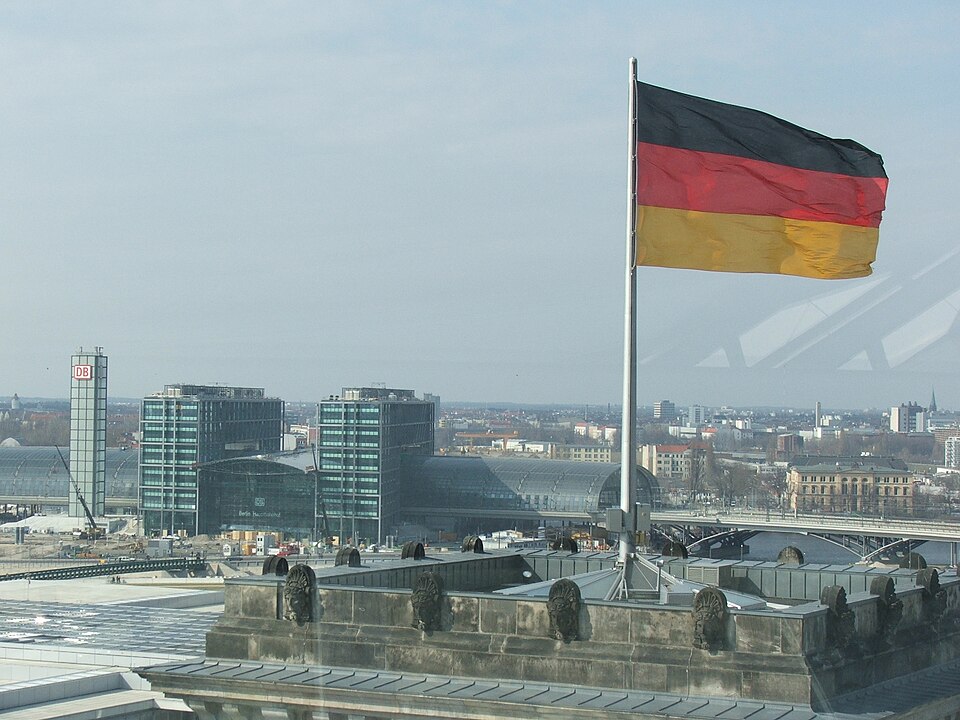
WHAT GERMANY DID
▸ Shut down a Russian diplomatic mission in Bonn: a diplomatic mission closure is a formal escalation; it reduces Russia’s official diplomatic footprint in Germany beyond the Moscow embassy
▸ Tightened restrictions on Russian travelers: adding to existing EU-wide travel restrictions; specific additional German restrictions signal a bilateral hardening beyond the EU baseline
▸ Called for EU shadow fleet sanctions: Russia’s shadow fleet of oil tankers operates outside Western insurance and regulatory frameworks, allowing it to transport Russian oil despite sanctions; EU sanctions on shadow fleet operations would specifically target the mechanism Russia uses to monetize its oil exports
▸ Dismissed Russian denials: the specific issue generating Germany’s action is not confirmed in detail in available Foreign Policy reporting; ONYX covers it at the level of the confirmed actions
THE SHADOW FLEET DIMENSION
The Russian shadow fleet is a network of approximately 600 vessels that the Kremlin has assembled to transport Russian oil outside Western sanctions. These vessels operate under flags of convenience, use non-Western insurance, and avoid dollar-denominated transactions. They are the specific mechanism through which Russia has continued to monetize oil exports despite the G7 price cap and Western shipping sanctions. EU shadow fleet sanctions would specifically target this mechanism.
The shadow fleet has specific connections to the Iran deal arc: Russian oil transported on shadow fleet vessels includes Iranian crude purchased by Russia; Operation Economic Outcast targets entities that help Iran monetize its oil; the Russia-Iran oil trade relationship that Pezeshkian was deepening at the SCO summit (ONYX September 2) involves the same fleet Germany is now pushing the EU to sanction.
WHY IT GOT OVERSHADOWED
A Russian diplomatic mission closure and EU shadow fleet sanction push would be the lead geopolitical story in a normal news cycle. September 4, 2026 is not a normal news cycle: it is the day Iran named a 4-year-old and a 16-year-old killed at a wedding by a US strike, with the Iranian Red Crescent confirming 68 wounded. The German action matters; the competition for front-page attention is itself a story about the Iran war’s dominance of the global news environment.
Germany closed a Russian diplomatic mission, called for EU shadow fleet sanctions, and tightened Russian travel restrictions on the same day a US strike hit a wedding in Iran. The German action was significant. The Iran story was impossible to compete with. Both things are true.
THE UKRAINE PEACE PROCESS CONTEXT
Germany closing a Russian diplomatic mission while Turkey-mediated Ukraine peace talks are seeking a Round 2 date is a specific diplomatic tension: Germany is escalating against Russia bilaterally while the multilateral peace process seeks to reduce tensions. The EU shadow fleet push and the Turkey process are not mutually exclusive — sanctions pressure and diplomatic engagement can run simultaneously — but they reflect the continued EU-level frustration with the absence of a durable ceasefire.
WHAT HAPPENS NEXT
▸ EU response — whether Germany’s shadow fleet sanction push produces EU-wide action
▸ Russia response — whether Moscow retaliates for the Bonn mission closure
▸ Ukraine peace Round 2 — whether bilateral EU escalation affects the multilateral Turkey process
| CONFIDENCE: HIGH | Germany shut down Russian diplomatic mission in Bonn, tightened Russian traveler restrictions, called for EU shadow fleet sanctions, dismissed Russian denials are from Foreign Policy confirmed reporting. |
| ⚖️ BIAS CHECK — WHO IS SAYING WHAT | |
| Germany | Escalating against Russia bilaterally on a day when the Iran story dominates; Germany’s action is consistent with its documented Ukraine policy trajectory |
| Russia | Will characterize the Bonn closure as a hostile act; has denied whatever prompted the German action |
| EU | Germany’s shadow fleet push requires EU consensus; whether other member states support it is the specific next question |
SOURCES
▸ Foreign Policy — Germany Russia diplomatic mission Bonn EU shadow fleet sanctions, September 4, 2026