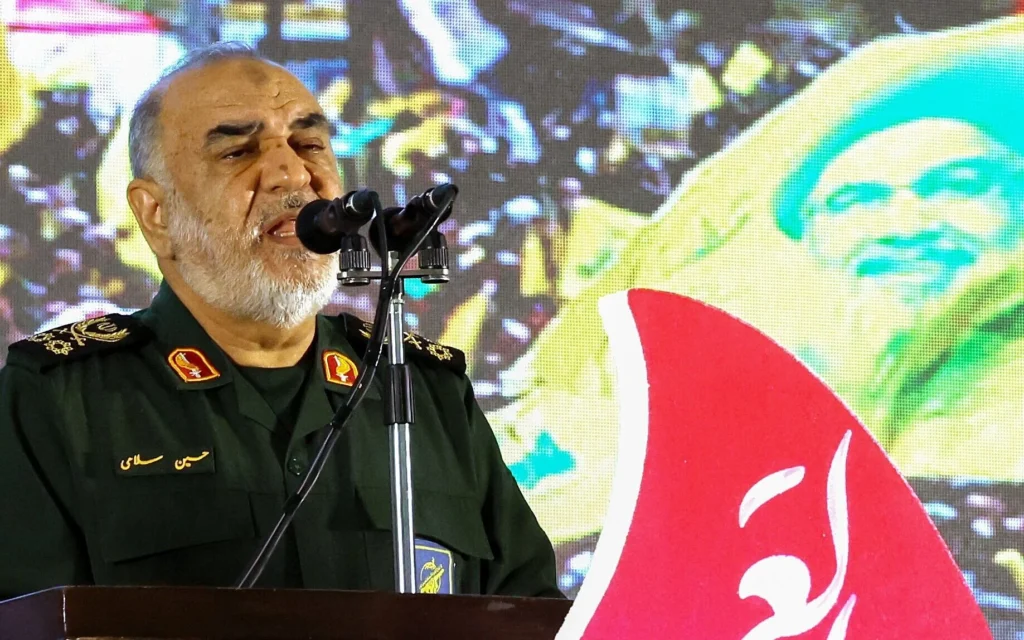
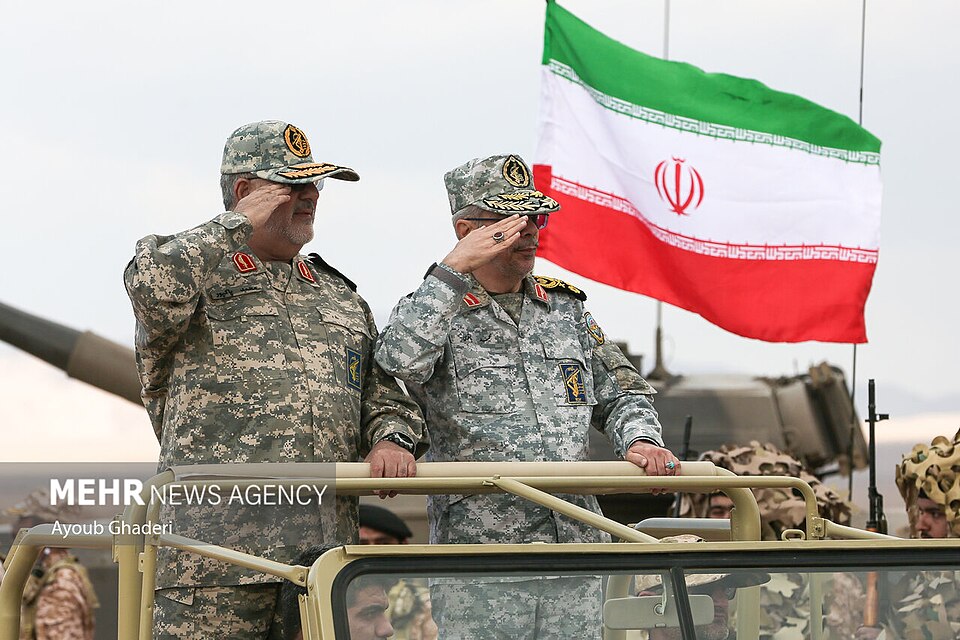
The Islamic Revolutionary Guard Corps struck a US military facility in Syria’s Deir ez-Zor region with ballistic missiles. Iran’s state media confirmed the strike as deliberate retaliation for the US Larak Island strike of August 31. Deir ez-Zor is in eastern Syria along the Euphrates River valley, where US military forces have maintained a presence in connection with anti-ISIS operations and the broader regional military posture.
WHY DEIR EZ-ZOR
The IRGC’s choice of a US facility in Syria rather than a target in or near Iran is a specific strategic calculation:
▸ Proportionality signaling: striking a US military facility in Syria rather than a US facility inside the United States or a US ally’s territory is calibrated retaliation — it responds to the Larak Island strike with a comparable military-on-military action rather than a civilian or allied escalation
▸ Geographic positioning: Deir ez-Zor is in the IRGC’s operational zone in Syria; the IRGC has maintained a presence in eastern Syria through the Syrian civil war and the subsequent anti-ISIS campaign period; it is striking in an area it knows well
▸ Ceasefire preservation logic: striking a US military facility in Syria, while serious, does not directly threaten Hormuz or the ceasefire’s Hormuz framework; it is retaliation that the IRGC may assess is survivable within the deal’s parameters
▸ Iran’s message: ‘response and punishment’ was the stated vow; the Deir ez-Zor strike delivers that response without triggering the specific ceasefire collapse that a Hormuz-area strike would produce
THE US CASUALTIES QUESTION
Whether US military personnel were killed or wounded in the Deir ez-Zor strike is not confirmed reporting as of this publication. ONYX covers the casualty status at the level of what is confirmed, noting that US base strikes have produced casualties in prior IRGC proxy attacks on US Syria positions.
THE DAY 30 IRAN DEAL DIMENSION
The Deir ez-Zor strike on Day 30 — exactly 30 days before October 6 — is the most significant single military escalation of the ceasefire period. It changes the deal’s environment in specific ways:
▸ Iran has demonstrated it will retaliate for US strikes: the ‘response and punishment’ vow was followed through; the US must now calculate that every Larak-style strike will produce an IRGC counter-strike
▸ The ceasefire has not been suspended: Iran struck a US military facility in Syria, not Hormuz; the deal’s operational framework remains intact for now
▸ Session 3 environment: negotiating an extension while the IRGC is actively striking US military facilities in Syria is a specific diplomatic challenge; both sides are simultaneously military adversaries and potential extension partners
▸ Thirty days: the US must decide whether to strike back, which produces another retaliation cycle, or to absorb the Deir ez-Zor strike, which establishes that the IRGC can respond to Larak with Syria strikes without further US escalation
Iran said response and punishment. Iran struck a US base in Syria. The ceasefire is on Day 30. October 6 is thirty days away. Both countries are simultaneously negotiating the possibility of an extension and striking each other’s military assets. That is what the next thirty days look like.
WHAT HAPPENS NEXT
▸ US response — whether the US retaliates for the Deir ez-Zor strike and what it targets
▸ Ceasefire status — whether either side formally characterizes the Deir ez-Zor strike as a ceasefire violation
▸ Session 3 — whether the strike accelerates or eliminates the possibility of a third session
▸ Iran retaliation for Kuhestak — whether the Deir ez-Zor strike is the full retaliation for Larak, or whether Kuhestak will produce additional IRGC retaliation
▸ Thirty days to October 6
| CONFIDENCE: HIGH | IRGC ballistic missile strike on US military facility in Deir ez-Zor Syria, Iran state media confirmation as retaliation for Larak Island, Day 30 context are from confirmed reporting. |
| ⚖️ BIAS CHECK — WHO IS SAYING WHAT | |
| Iran / IRGC | Followed through on retaliation vow; chose a calibrated military-on-military target that replicates the Larak strike’s character without directly threatening Hormuz |
| US military | Has responded to prior IRGC proxy strikes in Syria with counter-strikes; the decision about whether to respond to a direct IRGC-confirmed strike is at the highest levels |
| Ceasefire framework | Has survived the Deir ez-Zor strike operationally — Hormuz remains open; but the accumulating military exchange is making extension harder politically and militarily |
| ONYX | Covering Day 30’s most significant military development at the full weight it requires; connecting it to the October 6 countdown that makes every escalation in the next thirty days consequential |
SOURCES
▸ Confirmed reporting — IRGC ballistic missile strike US base Deir ez-Zor Syria, September 6, 2026