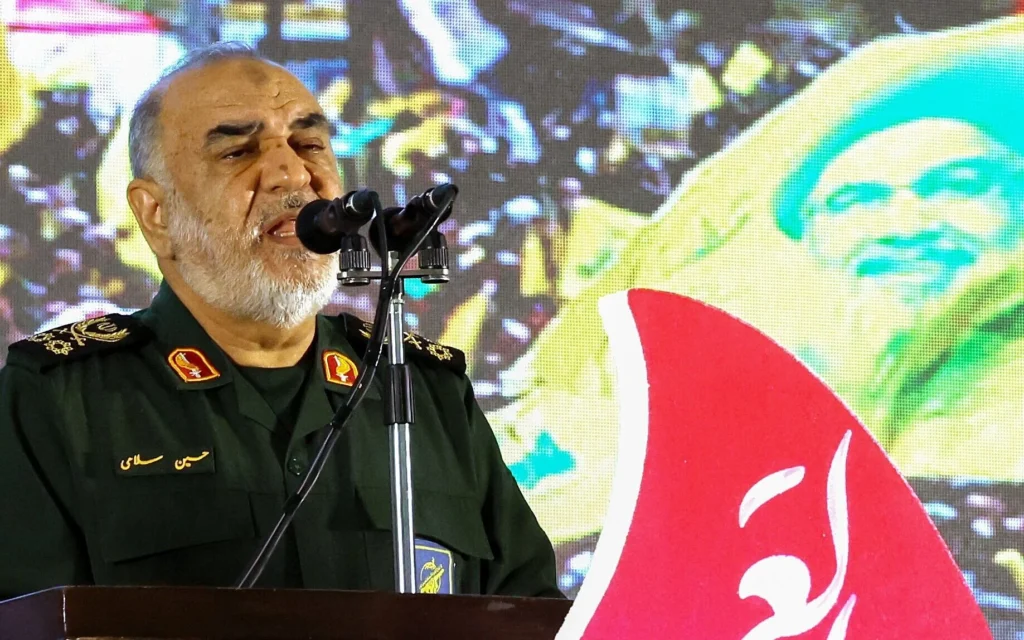
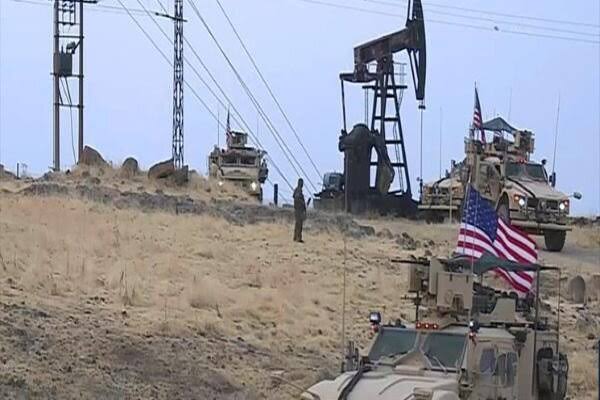
ONYX established the five failure modes framework on August 7 and has updated it at every significant development. Day 30 — the most significant update of the arc — follows the Deir ez-Zor IRGC ballistic missile strike on a US military facility. All five failure modes require reassessment.
FAILURE MODE 1: ISRAELI UNILATERAL STRIKE ON IRAN
ASSESSMENT: SIGNIFICANTLY REDUCED — UNCHANGED from prior assessment.
The Israeli caretaker government under Netanyahu is managing Phase 1 Gaza hostage releases with elections scheduled for approximately late November. Ben Gvir and Smotrich are campaigning, not governing. The specific hardline pressure that drove the Israeli unilateral strike failure mode through August 27 has been structurally removed by the coalition collapse. The caretaker government has neither the political mandate nor the internal cohesion to authorize a unilateral Iran strike.
FAILURE MODE 2: IRAN ENRICHMENT VIOLATION
ASSESSMENT: MONITORING — ELEVATED WATCH following Deir ez-Zor.
IAEA monitoring is active through Day 30; enrichment remains below 20%; no violations have been documented. The Deir ez-Zor strike has not directly affected the enrichment status. However, the IRGC’s willingness to conduct ballistic missile strikes on US military facilities signals confidence that the ceasefire will not be collapsed by military escalation. That same confidence, applied internally, could produce an IRGC push to resume enrichment above 20% as a further pressure signal. ONYX elevates this from monitoring to elevated watch without moving it to ELEVATED.
FAILURE MODE 3: IRANIAN DOMESTIC COLLAPSE
ASSESSMENT: ELEVATED — CHANGED from prior assessment.
The Deir ez-Zor strike has a specific effect on the Iranian domestic collapse failure mode: it provides the IRGC with a domestic political win. By successfully retaliating against Larak Island with a ballistic missile strike on a US military facility, the IRGC has demonstrated it can respond to US strikes without ceasefire collapse. This temporarily reduces hardliner pressure on Araghchi’s diplomatic track: the ‘won’t capitulate’ posture has been operationalized. ONYX assesses the Iranian domestic collapse failure mode as still ELEVATED but its specific character has shifted — from hardliner pressure threatening Araghchi’s position to a temporary hardliner satisfaction that could, paradoxically, create space for diplomatic engagement.
FAILURE MODE 4: GULF PROXY INCIDENT
ASSESSMENT: ELEVATED — FURTHER ELEVATED following Deir ez-Zor.
The Gulf proxy incident failure mode has moved from ELEVATED to FURTHER ELEVATED. The Deir ez-Zor strike is not a Gulf proxy incident — it is a direct IRGC action against a US military facility in Syria. But it signals that the IRGC is willing to conduct direct strikes against US military assets. If the pattern extends to Gulf-area US facilities, the Gulf proxy incident failure mode would merge with the direct military exchange failure mode. UAE has intercepted drones; Saudi Arabia has lost 2 service members; Houthi Red Sea attacks are active. The Gulf pressure points are all active simultaneously.
FAILURE MODE 5: THE 60-DAY CLIFF
ASSESSMENT: 30 DAYS AWAY — THE MOST URGENT FAILURE MODE
October 6 is thirty days away. The Deir ez-Zor strike has not changed the October 6 date. It has changed the political environment in which an extension must be negotiated:
▸ Session 3 status: still unknown; still the critical variable
▸ White House posture: no-extension signal unchanged; Deir ez-Zor adds pressure to respond militarily rather than diplomatically
▸ Iranian domestic constraints: Kuhestak plus Deir ez-Zor have both hardened and potentially temporarily satisfied the hardliner position
▸ Diplomatic space: every military exchange reduces the space available for the diplomacy that could produce extension
▸ Thirty days
Day 30. The five failure modes at their Day 30 status: Failure Mode 1 is reduced; Failure Mode 2 is on elevated watch; Failure Mode 3 has shifted character; Failure Mode 4 is further elevated; Failure Mode 5 is thirty days away. The architecture is not better than Day 1. It is thirty days closer.
THE ARCHITECTURE QUESTION
ONYX’s Day 30 cumulative assessment of the deal’s architecture: both sides have maintained the ceasefire’s operational core for thirty consecutive days through everything that has happened. That durability is evidence that both sides’ rational calculations favor the operational deal over operational collapse. It is not evidence that both sides will rationally choose extension over expiration — those are different calculations. Durability through Day 30 does not predict the Day 60 outcome.
WHAT HAPPENS NEXT
▸ US response to Deir ez-Zor — the decision that will most immediately affect all five failure modes
▸ Session 3 announcement — still the critical variable for October 6
▸ Iran enrichment monitoring — elevated watch following Deir ez-Zor
▸ Thirty days
| CONFIDENCE: HIGH | Day 30 five failure mode assessment from ONYX cumulative 30-day documentation. Post-Deir ez-Zor failure mode updates are ONYX editorial clearly labeled. |
SOURCES
▸ ONYX August 7 – September 6 — 30-day cumulative failure mode tracking