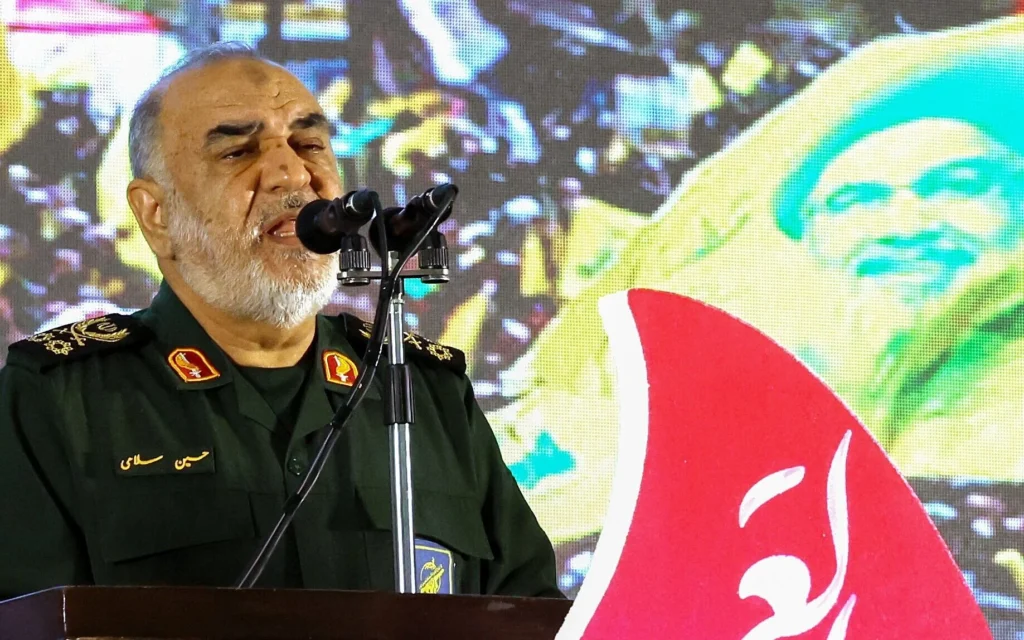
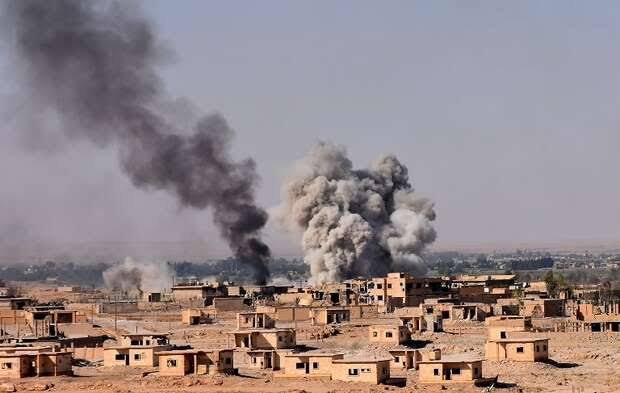
Day 31. The Iran deal’s most eventful week since its signing. ONYX documented Thursday’s IRGC Deir ez-Zor ballistic missile strike on a US military base in Syria (September 6). Today’s update: the US response decision status, the deal’s operational status, and the specific developments of a week that included Trump calling the war ‘small potatoes,’ Pezeshkian signaling readiness to return to the June Islamabad framework, and Kuwait being hit by Iranian fire.
THE DAY 31 OPERATIONAL STATUS
▸ Hormuz: OPEN — commercial transit continuing
▸ IAEA: Active — enrichment below 20%; no violations
▸ Session 3: UNKNOWN — unchanged; still the critical variable
▸ White House extension posture: UNCHANGED — no-extension signal maintained
▸ Deir ez-Zor US response: PENDING — the 72-hour decision window from yesterday
▸ October 6: 29 DAYS AWAY
THE PEZESHKIAN ISLAMABAD SIGNAL
A significant diplomatic development that entered the arc this week: Iranian President Pezeshkian stated publicly that Iran is ready to return to the June Islamabad Memorandum if the United States does the same. This is the first explicit Iranian presidential statement of conditional diplomatic readiness in the arc’s 31-day documentation. Its analytical significance:
▸ The Islamabad Memorandum (June 2026): the ceasefire framework’s diplomatic predecessor; its terms represent Iran’s last accepted framework before the August 7 deal
▸ ‘If the US does the same’: the conditional is the key element; Iran is not offering unilateral diplomatic overture but restating a reciprocity requirement
▸ Timing: the statement comes after Deir ez-Zor, not before; Iran has delivered military retaliation and is simultaneously signaling diplomatic readiness; this is the dual-track pattern ONYX documented from Day 1
▸ What it could mean for October 6: if the US interprets the Pezeshkian signal as an opening and responds diplomatically to Deir ez-Zor rather than militarily, the Islamabad framework signal could be the basis for a Session 3 that produces extension terms
THE “SMALL POTATOES” WEEK IN CONTEXT
Trump’s ‘small potatoes’ characterization of the Iran war (Section A Story 1 context), Vance’s ‘not a war’ characterization (September 4-5), and Vance’s ‘things happen’ response to Kuhestak all occurred in the same week as: the Deir ez-Zor IRGC ballistic missile strike; Iran firing on Kuwait; and 18 confirmed US service member deaths in the conflict. The specific administration messaging posture is maximum military authority (‘anytime we want’) plus minimum accountability framing (‘small potatoes’, ‘not a war’). ONYX documents this not as criticism but as a factual description of the administration’s simultaneous public claims.
Pezeshkian says Iran is ready for diplomacy if the US is. Trump says the war is small potatoes. The IRGC struck a US base in Syria. Hormuz is open. Twenty-nine days to October 6. All of those things are true on Day 31.
WHAT HAPPENS NEXT
▸ Deir ez-Zor US response — within 72 hours of September 6; the decision that changes everything
▸ Pezeshkian signal — whether the US responds to the Islamabad Memorandum readiness statement
▸ Session 3 — whether the week’s paradox — military escalation plus diplomatic signal — produces a session
▸ Twenty-nine days
| CONFIDENCE: HIGH | Day 31 operational status from ONYX cumulative documentation. Pezeshkian Islamabad Memorandum readiness statement and Kuwait Iranian fire from confirmed reporting. ‘Small potatoes’ and ‘not a war’ characterizations from Section A Story 7 September 6 and September 4-5 confirmed coverage. |
SOURCES
▸ ONYX August 7 – September 7 — 31-day cumulative Iran deal documentation