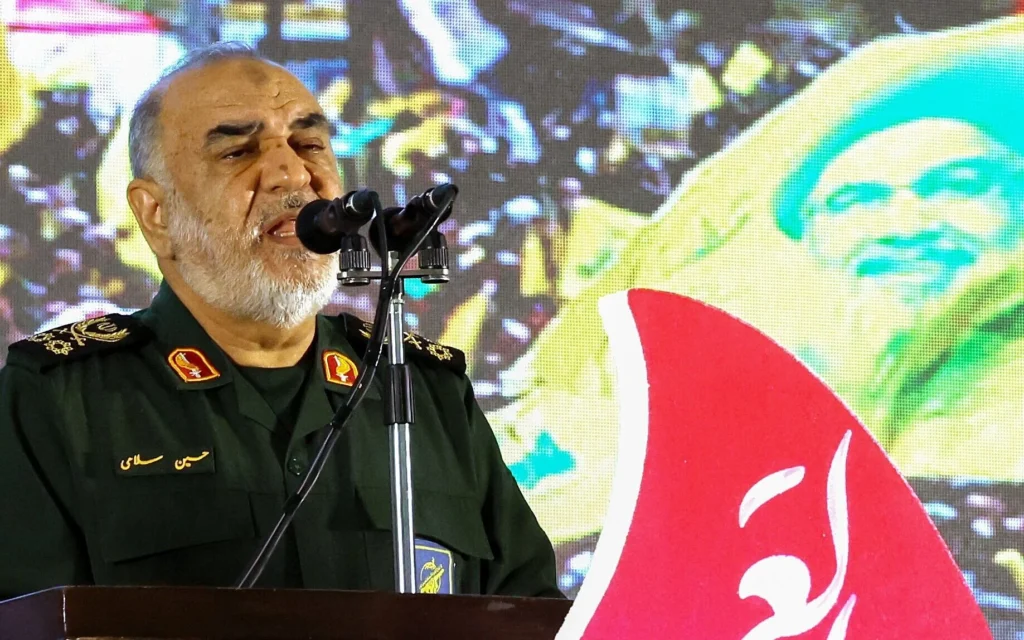
On September 12, 2026, two simultaneous developments fundamentally changed the war’s strategic geography:
▸ Houthi coastline seizure: Iran-backed Houthi rebels completed a rapid seizure of Yemen’s Red Sea coastline, including the strategic island of Mayun at the mouth of the Bab el-Mandeb Strait, according to NBC News. Houthi forces captured Mokha. UN staff safely evacuated the Mokha compound before capture. NBC News described the seizure as ‘a dramatic boost to their backers in Iran.’
▸ Saudi pipeline shutdown: drones launched from Iraqi territory forced Saudi Arabia to shut down its critical East-West pipeline. The Iraqi Prime Minister fired the commander responsible within hours and ordered an investigation. Saudi Arabia declined to retaliate at Iraq’s request but reserved ‘the right to take all necessary measures.’
▸ Saudi oil output: the International Energy Agency confirmed Saudi crude supply fell 2.3 million barrels per day in August to just 6 million bpd — the lowest level in more than 30 years.
▸ Oil price: global oil closed the week above $100 a barrel for the first time since mid-May.
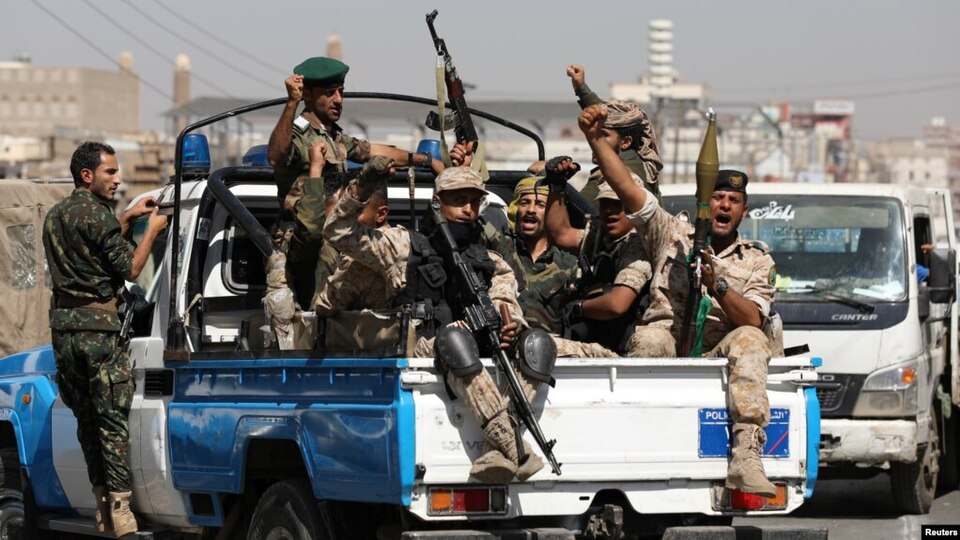
THE TWO-CHOKEPOINT CRISIS
ONYX has been documenting the Hormuz ceasefire framework since August 7. As of September 12, 2026, both of the Middle East’s two critical oil shipping chokepoints are simultaneously compromised:
▸ Strait of Hormuz: the Iran ceasefire framework governs Hormuz commercial transit; the ceasefire expires October 6 — 24 days away; Iran attacked ten merchant ships in Hormuz approaches on September 11; the ceasefire’s future is uncertain
▸ Bab el-Mandeb Strait: the Houthis have now seized Mayun Island at the mouth of Bab el-Mandeb; the strait connects the Red Sea to the Gulf of Aden and is the route for Saudi oil exports that do not go through Hormuz; Houthi control of Mayun gives them the ability to interdict shipping through Bab el-Mandeb
The specific implication: the two chokepoints are alternatives to each other. If Hormuz is closed, ships route around via Bab el-Mandeb and the Cape of Good Hope. If Bab el-Mandeb is controlled by Houthis, that alternative route is also compromised. Saudi Arabia losing Hormuz access AND Bab el-Mandeb access simultaneously is the specific worst-case scenario for global oil markets.
MAYUN ISLAND — WHY IT MATTERS
Mayun Island sits at the mouth of the Bab el-Mandeb Strait, where the Red Sea narrows to approximately 18 miles between Yemen and Djibouti. Mayun Island’s position at this chokepoint means:
▸ Surveillance: Houthi forces on Mayun can observe and track all shipping transiting Bab el-Mandeb
▸ Interdiction capability: weapons positioned on Mayun can reach vessels transiting the strait
▸ Deterrence: the Houthi presence on Mayun forces shipping companies to assess whether transit is safe regardless of whether Houthis actively fire on specific vessels
▸ Negotiating leverage: Houthi control of Mayun gives Iran’s proxy force a specific geographic asset that is now part of any negotiated settlement
THE EAST-WEST PIPELINE
Saudi Arabia’s East-West pipeline runs from the Eastern Province oil fields to the Yanbu terminal on the Red Sea, providing an alternative export route that bypasses Hormuz entirely. It can transport approximately 5 million barrels per day. The drone attack forcing its shutdown, combined with the Houthi seizure of Bab el-Mandeb, means:
▸ Hormuz: compromised by Iran ceasefire tension and October 6 uncertainty
▸ East-West pipeline: shut down by drone attack from Iraqi territory
▸ Bab el-Mandeb: now under Houthi control
▸ The only remaining route: the northern Red Sea to the Suez Canal and Mediterranean — and the Houthis struck a Saudi vessel in the northern Red Sea in late August
THE IEA CONFIRMATION
The International Energy Agency confirming Saudi crude supply fell 2.3 million barrels per day to 6 million bpd in August is a specific, authoritative economic data point. Six million bpd is the lowest Saudi output in more than 30 years. Saudi Arabia’s normal production capacity is approximately 10-12 million bpd. It is currently producing at roughly half that capacity due to the combination of direct export route disruption, the war’s impact on regional buyers, and the specific incidents documented here.
THE OCTOBER 6 RECALIBRATION
ONYX has been tracking October 6 as the ceasefire expiration. Today’s developments require the most significant single-day recalibration of the arc’s October 6 analysis:
▸ The ceasefire’s Hormuz benefit is now in a world where Bab el-Mandeb is also compromised; the ceasefire’s commercial benefit is no longer ‘Hormuz stays open as an alternative’; it is ‘Hormuz stays open while there is no alternative’
▸ The IRGC’s Yemen demand (Story 12) means that extending the US-Iran ceasefire may not resolve the Bab el-Mandeb situation even if it produces an October 6 extension
▸ Saudi oil at a 30-year low changes the US-Saudi relationship’s specific pressure calculus: a Saudi Arabia producing at half capacity is more desperate for US security guarantees and less able to serve as the oil price backstop it has historically provided
▸ Trump’s ‘rise up’ statement and preference for Iranian regime change now exists in a context where Iranian proxies have simultaneously seized a Red Sea chokepoint and shut down a Saudi pipeline
The Houthis took Mayun Island. The East-West pipeline is shut down. Saudi oil is at a 30-year low. Hormuz is 24 days from its ceasefire expiration with no extension framework. Both chokepoints are compromised simultaneously. Oil is above $100. This is the specific strategic geography of September 12, 2026.
WHAT HAPPENS NEXT
▸ Saudi pipeline restoration — whether and how quickly the East-West pipeline resumes
▸ US military response to Mayun — whether CENTCOM operations target Houthi positions on Mayun Island
▸ Hormuz transit count — whether commercial shipping has reduced following the ten-ship assault and the Bab el-Mandeb development
▸ IRGC Yemen demand — whether the explicit Yemen condition changes Session 3 possibilities
▸ Oil market — whether $100+ is sustained as a price floor in this supply environment
▸ 24 days to October 6
| CONFIDENCE: HIGH | Houthi seizure Yemen Red Sea coastline including Mayun island Bab el-Mandeb mouth, Mokha captured UN staff evacuated, Iraqi drones shutdown Saudi East-West pipeline Iraqi PM fired commander, IEA Saudi crude 2.3 million bpd decline to 6 million lowest 30+ years, oil above $100 from NBC News and IEA confirmed reporting. |
| ⚖️ BIAS CHECK — WHO IS SAYING WHAT | |
| Houthi rebels (Ansar Allah) | Characterizing the coastline seizure as a military victory; their backers in Iran described as benefiting directly |
| Saudi Arabia | Reserving right to retaliate while declining to act at Iraq request; their 30-year oil output low is from IEA independent confirmation |
| Iraq | Iraqi PM fired the Maysan commander within hours; the rapid accountability response is confirmed by Saudi government statement |
| NBC News | Characterizing the seizure as a dramatic boost to Iran; their reporting is the primary source |
| IEA | Independent international energy agency; Saudi output confirmation is authoritative economic data |
| ONYX | Covering the two-chokepoint crisis as the specific analytical framework it requires; connecting to the October 6 ceasefire analysis |
SOURCES
▸ NBC News — Houthi Yemen Red Sea coastline Mayun Bab el-Mandeb Saudi pipeline IEA oil September 12 2026
Q: What is Mayun Island and why is it strategically significant?
A: Mayun Island (also called Perim Island) is a small Yemeni island of approximately 13 square kilometers located at the mouth of the Bab el-Mandeb Strait between Yemen and Djibouti. The strait itself is approximately 18 miles wide at its narrowest point. Approximately 6 million barrels of oil per day transit Bab el-Mandeb, making it the world’s fourth-most important oil chokepoint after Hormuz, the Suez Canal, and the Malacca Strait. Houthi control of Mayun Island provides surveillance capability over all vessels transiting the strait and weapons positioning that can interdict shipping. Prior to Houthi control, Mayun had been held by UAE-backed forces; the Houthi seizure is a reversal of that defensive position.
Q: What is the Bab el-Mandeb Strait and how does it connect to Saudi oil exports?
A: Bab el-Mandeb connects the Red Sea to the Gulf of Aden and ultimately the Indian Ocean. Saudi Arabia’s western oil export route runs from the Eastern Province fields through the East-West pipeline to Yanbu on the Red Sea, then through Bab el-Mandeb to global markets. This route was designed as an alternative to Hormuz specifically for situations where Hormuz is compromised. With Hormuz under ceasefire tension and Bab el-Mandeb now under Houthi control, both of Saudi Arabia’s primary export routes are simultaneously compromised for the first time in the modern oil market era.
Q: What is the East-West pipeline and how long has it been down?
A: The Petroline (East-West Crude Oil Pipeline) connects the Abqaiq oil processing complex in Saudi Arabia’s Eastern Province to the Yanbu terminal on the Red Sea. It has a capacity of approximately 5 million barrels per day and was built in the 1980s specifically as an alternative to Hormuz. It was shut down by drone attacks from Iraqi territory on September 12. The Iraqi Prime Minister’s immediate firing of the Maysan province military commander reflects the severity of the incident and the Iraqi government’s desire to avoid Saudi retaliation.