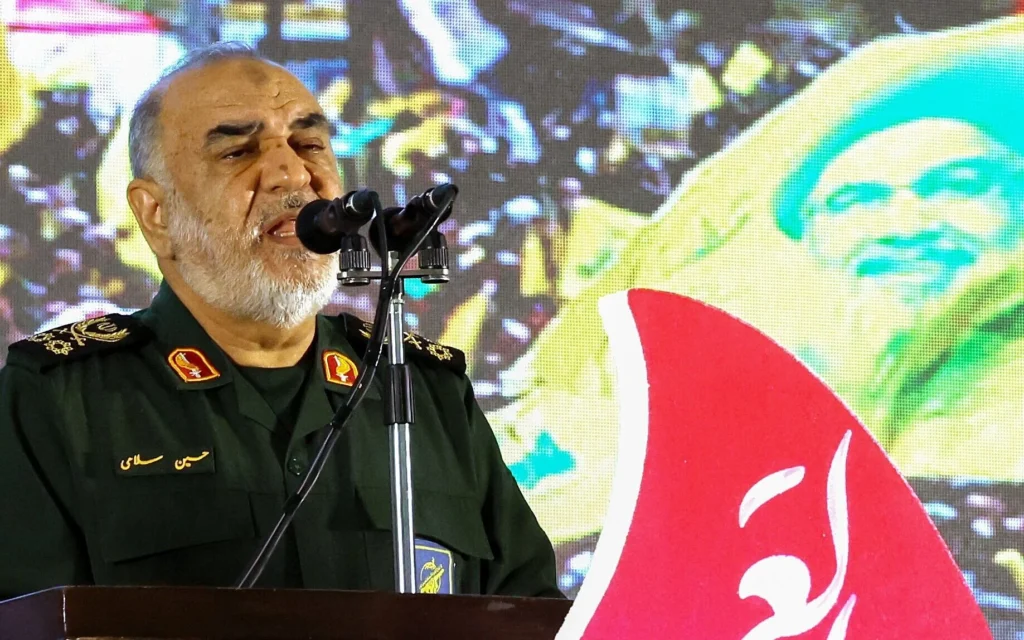
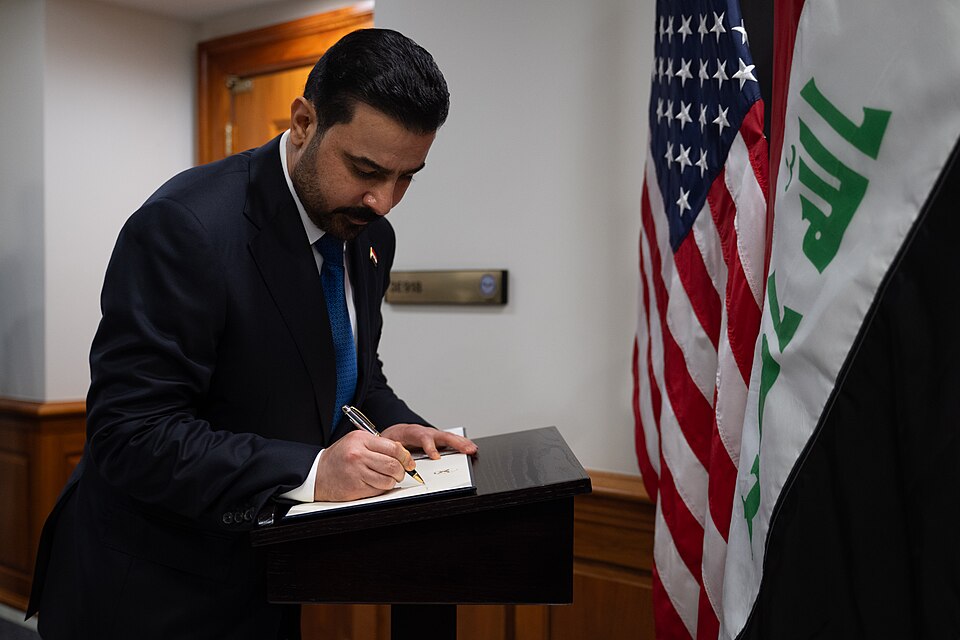
Drones launched from Iraqi territory — specifically from Maysan province — struck Saudi Arabia’s East-West pipeline, forcing a shutdown. Iraqi Prime Minister Ali al-Zaidi ordered an investigation into the operations command in Maysan province and dismissed its commander within hours. Saudi Arabia declined to retaliate for now at Iraq’s request but formally reserved the right to take all necessary measures.
WHY THE RAPID ACCOUNTABILITY MATTERS
The speed of Iraq’s response — firing the provincial military commander within hours of the attack’s attribution — is analytically significant. Earlier cross-border incidents in the arc produced diplomatic ambiguity and delayed or absent accountability. The immediate Maysan commander dismissal reflects:
▸ Iraqi government acknowledgment that the attack launched from Iraqi territory
▸ Iraqi government’s interest in preventing Saudi military retaliation against Iraqi soil
▸ The specific political calculation: a Saudi retaliation strike on Iraqi territory would compromise the Iraqi government’s domestic legitimacy and sovereignty claims
▸ The Iraqi PM’s ability to demonstrate control over the province even after the attack suggests the attack was conducted by Iranian-aligned militias operating in Maysan without direct Iraqi government authorization
MAYSAN PROVINCE AND IRANIAN-ALIGNED MILITIAS
Maysan province in southeastern Iraq is a documented stronghold of the Popular Mobilization Forces — the umbrella of Iraqi militias that includes Iranian-aligned groups. The drone attack from Maysan province is consistent with the pattern of PMF-affiliated groups conducting operations from Iraqi territory that the Iraqi central government did not authorize. The PM’s dismissal of the Maysan commander reflects the specific tension in Iraq’s governance: the central government does not fully control PMF activities, but it is held responsible for what they do from Iraqi soil.
THE SAUDI RESTRAINT
Saudi Arabia’s decision not to retaliate at Iraq’s specific request — while formally reserving the right to do so — is a specific diplomatic calculation:
▸ Not retaliating preserves the diplomatic relationship with the Iraqi central government, which conducted a good-faith accountability response
▸ Not retaliating avoids a military strike that could escalate the conflict
▸ Reserving the right preserves Saudi deterrence: future attacks from Iraqi territory cannot be conducted without the Saudi threat of response being re-invoked
Iraq’s PM fired the commander within hours. Saudi Arabia didn’t retaliate because Iraq asked it not to, and because Iraq actually did something. That is what accountability in the Gulf looks like when it happens: fast, specific, and sufficient to change the military calculation.
WHAT HAPPENS NEXT
▸ East-West pipeline — restoration timeline; whether the shutdown is days or weeks
▸ Saudi-Iraq relationship — whether the rapid Iraqi accountability produces durable bilateral improvement
▸ PMF accountability — whether the Maysan commander dismissal produces any actual operational restraint on PMF activity
▸ Future attacks — whether the Saudi ‘right to take all necessary measures’ reservation deters subsequent PMF drone attacks
| CONFIDENCE: HIGH | Iraqi PM Ali al-Zaidi investigation Maysan province operations command dismissal commander, Saudi Arabia not retaliating at Iraq request reserving right to take all necessary measures from Saudi government statement confirmed reporting. |
SOURCES
▸ Saudi government statement / confirmed reporting — Iraq Saudi pipeline attack PM fired commander September 12 2026