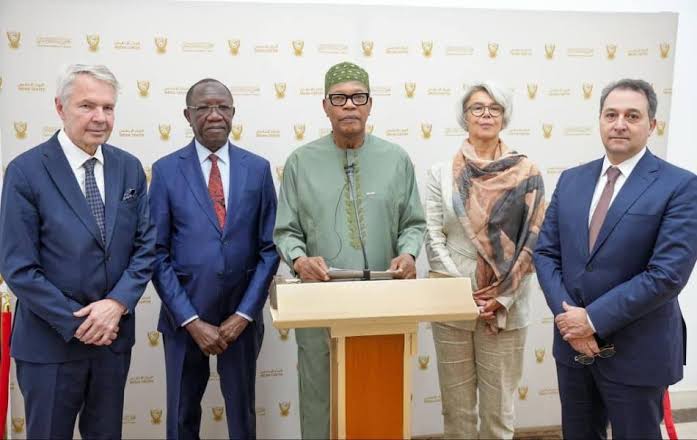
The Khartoum peace talks bring together the African Union, IGAD, the Arab League, the European Union, and the United Nations — five distinct international institutions with different memberships, geographic scopes, and institutional mandates. This is the most institutionally comprehensive diplomatic gathering yet assembled to address Sudan’s three-year civil war.
WHY COMPREHENSIVENESS MATTERS
Prior Sudan peace processes were narrower. The Jeddah process (Saudi-UAE mediated) involved fewer institutional voices and produced temporary ceasefire agreements the RSF violated. The specific theory of the five-institution coalition: each institution brings different leverage. The AU brings African legitimacy; IGAD brings regional neighborhood pressure; the Arab League brings Gulf state financial leverage; the EU brings sanctions authority; the UN brings global legitimacy and the Security Council.
THE ACCOUNTABILITY COUNTER
Simultaneously with the five-institution talks, the RSF killed 13 people at a courthouse in North Kordofan. This is the specific test of the five-institution theory: whether having more institutional voices at the table produces any measurable de-escalation on the ground, or whether the RSF continues to conduct lethal operations regardless of what its political representatives are participating in diplomatically.
Five institutions. One table. The most institutionally comprehensive Sudan peace effort yet assembled. The RSF killed 13 people at a courthouse this week. The five institutions have more leverage than prior processes. Whether they have enough is what the talks will determine.
WHAT HAPPENS NEXT
▸ Talks outcome — whether the five-institution process produces a formal ceasefire commitment
▸ RSF conduct — whether ground operations change during or after talks
| CONFIDENCE: HIGH | Five-institution Khartoum peace talks: AU, IGAD, Arab League, EU UN UN envoy Lamamra, from confirmed current events reporting. |
SOURCES
▸ Current events — Sudan five-institution Khartoum peace talks September 13, 2026