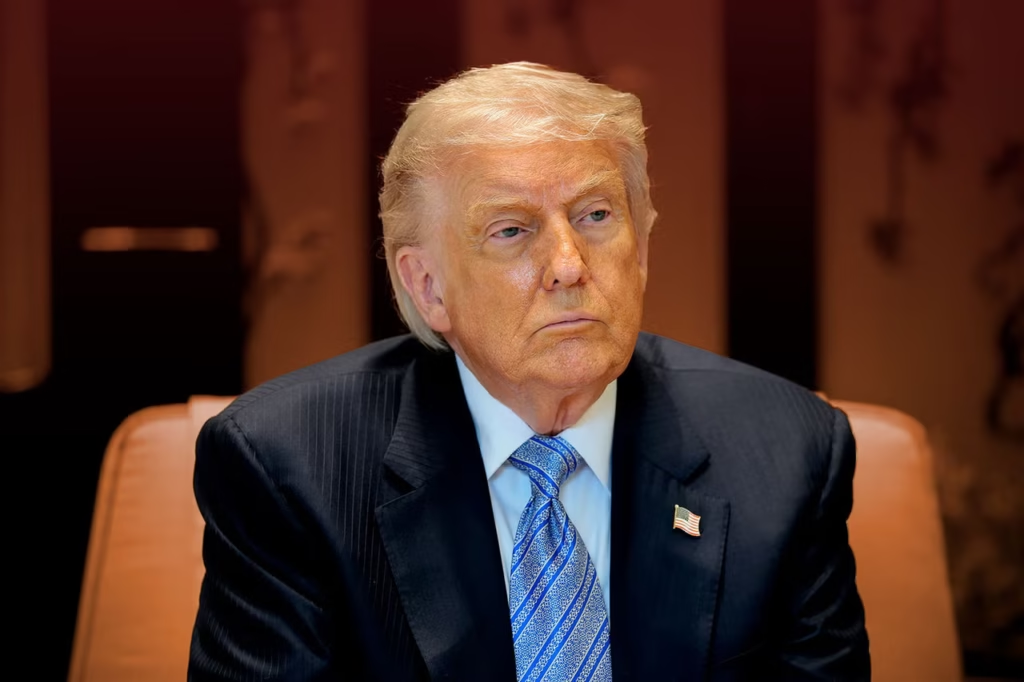
Fed Chair Kevin Warsh’s direct acknowledgment that Wednesday’s rate hike ‘doesn’t affect the lack of safe passage in the Strait of Hormuz’ is an unusually candid public statement from a central bank chair. Central bank communications are typically hedged. Warsh named the specific geographic bottleneck — Hormuz — as the primary inflation driver and explicitly said the rate hike doesn’t address it.
WHY THIS IS ANALYTICALLY SIGNIFICANT
The Federal Reserve’s traditional tools work on demand-side inflation: raise rates, reduce borrowing, reduce spending, reduce demand, prices fall. Supply-side inflation from a geopolitical constraint — a blocked strait — cannot be resolved by reducing demand. The oil is not in short supply because people are buying too much of it. It is in short supply because a military blockade is restricting how it reaches markets.
Warsh’s admission: the correct tool for this inflation is not a rate hike. The correct tool is resolving the Hormuz situation. The Fed is using the tool it has, not the tool that would work. The ECB raised rates for the same reason on September 13. Two of the world’s most powerful central banks are raising rates to fight a problem that rates cannot fix.
The Fed raised rates. The chair said rates can’t fix Hormuz. The ECB raised rates for the same reason. Two central banks are using the wrong tool because the right tool — ending the war — is not in their mandate. Every homeowner, car buyer, and credit card holder in America and Europe is paying for that gap.
| CONFIDENCE: HIGH | Warsh Fed ‘doesn’t affect lack of safe passage Strait of Hormuz primary pressure point keeping oil prices above $100’ from confirmed reporting. |
SOURCES
▸ Confirmed reporting — Warsh Fed monetary policy Hormuz September 17, 2026