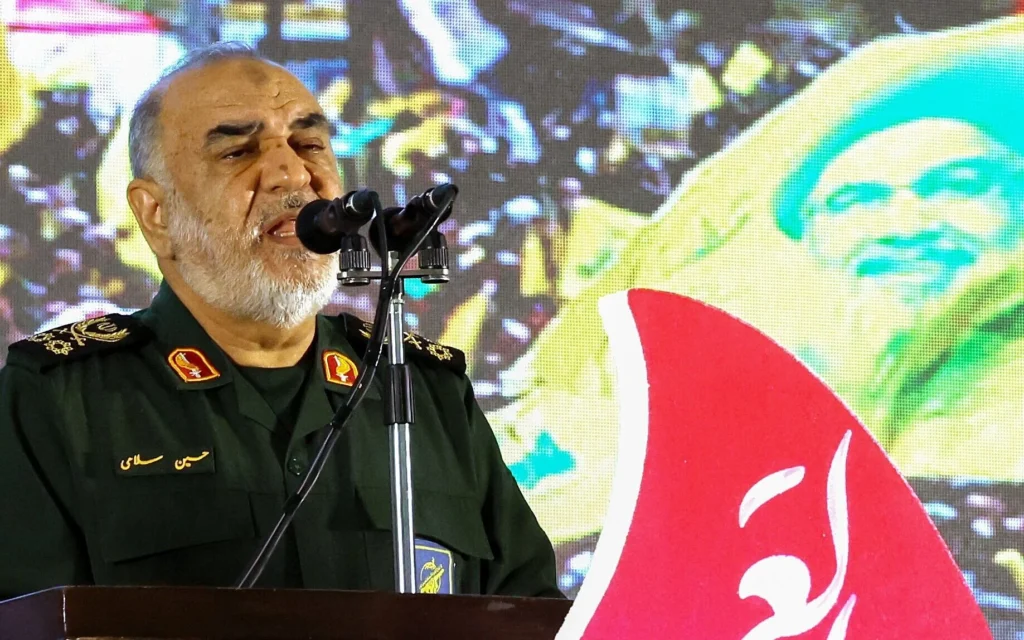
On September 18, ONYX documented Trump saying, ‘We have made a deal with Iran.’ Araghchi confirmed. The Kremlin confirmed. Khamenei blessed the deal on September 19. Session 3 was held on September 26 in Muscat. Today, September 28 — Day 52 — oil prices are rising more than 2% because diplomatic efforts to resolve the conflict and reopen the Strait of Hormuz have shown no immediate progress. Trump has rejected Iran’s proposal. Tehran says diplomacy remains the only solution. The deal that was confirmed is now at a documented stalemate.
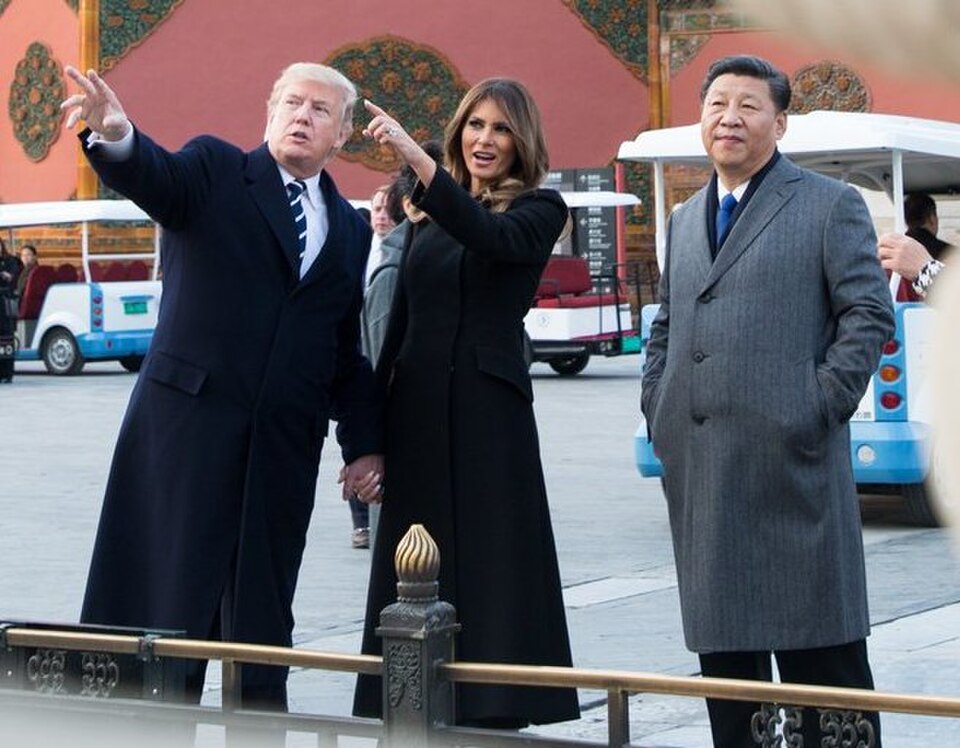
WHAT IS CONFIRMED TODAY
From today’s confirmed reporting:
▸ Trump rejected Iran’s proposal to reopen the Strait of Hormuz and end hostilities
▸ Oil prices rose more than 2% on news that diplomatic efforts showed no immediate progress
▸ Iran said diplomacy remained the only solution
▸ Oman urged UN members to avoid using force
▸ Saudi Foreign Minister Prince Faisal bin Farhan traveled to Washington to meet Rubio
▸ 80 countries at the UN issued a joint statement condemning attacks and calling for freedom of navigation
▸ Qatar-linked LNG shipments reportedly continued through the strait despite the wider conflict
THE CRITICAL UNRESOLVED QUESTION
ONYX named the September 18 deal at its specific confirmed level: what Trump announced, what Araghchi confirmed, what the Kremlin confirmed, what Khamenei blessed. The terms that emerged were described as a 90-day extension in principle. Session 3 was September 26. Today is September 28. What happened at or after Session 3 that produced today’s stalemate is the arc’s most urgent unresolved question. The specific analytical possibilities:
▸ Session 3 produced formal text with terms Iran found unacceptable; Iran then made a counter-proposal Trump rejected
▸ Session 3 clarified specifics of the ‘in principle’ agreement that each party interpreted differently; the gap between interpretations is the stalemate
▸ The Hormuz reopening proposal Iran offered today is a new proposal that goes beyond or differs from what was agreed in principle
▸ IRGC hardliner pressure on Khamenei’s blessing produced a modified Iranian position that the US rejected
ONYX covers the stalemate at its confirmed level without asserting which of these produced it until specific reporting confirms the sequence.
THE OIL MARKET SIGNAL
Oil rising more than 2% on the stalemate news is the market’s specific quantification of the deal’s fragility. When the deal was announced on September 18, oil fell $13 from above $100 to $87. The 2%+ rise today means oil is moving back above $87. If the stalemate persists, oil moving toward $100 again is the documented market trajectory. The Federal Reserve’s September 17 rate hike cited Hormuz as the primary inflation driver; a return to $100 oil would restore the inflationary pressure the deal was priced as reducing.
8 DAYS TO OCTOBER 6
October 6 is 8 days away. The ceasefire was signed August 7 with October 6 as the 60-day expiration. The deal announced September 18 was described as a 90-day extension from October 6. If the deal is now at a stalemate, October 6’s status reverts toward the cliff framework ONYX had been tracking before September 18. The specific updated probability assessment:
▸ Ceasefire extended with modified terms: REDUCED from VERY LIKELY — stalemate directly challenges this
▸ Ceasefire expires without replacement: ELEVATED — stalemate and Trump’s rejection increase this probability
▸ Ceasefire collapses before October 6: MODERATE — 8 days with an active stalemate and rising oil prices
▸ Deal restored: POSSIBLE — Iran said diplomacy remains the only solution; the door is not formally closed
IRAN’S POSITION
Tehran’s statement that ‘diplomacy remained the only solution’ is analytically significant: it is a restraint signal. Iran is publicly foreclosing military escalation as a path while simultaneously having its diplomatic proposal rejected. The specific tension: Iran cannot escalate militarily without risking the Khamenei-blessed deal framework; it cannot accept Trump’s rejection without losing face; and it cannot force Trump to accept a proposal the President has publicly rejected.
OMAN’S ROLE
Oman’s call for UN members to avoid using force is the consistent Omani position throughout the arc: the channel host urging restraint when the channel is under strain. Oman urged restraint during the dual-base strikes (September 13), after Ghalibaf’s proportionate responses declaration (September 17), and today after the stalemate. Oman’s consistency is itself a diplomatic signal: the channel is still open.
Trump confirmed a deal with Iran on September 18. Khamenei blessed it on September 19. Session 3 was September 26. Today is September 28. Oil is rising. Trump has rejected Iran’s Hormuz proposal. October 6 is 8 days away. The deal that was confirmed is at a stalemate. ONYX has documented 52 days to get here. The 8 remaining days to October 6 are the arc’s most critical window since Day 1.
WHAT HAPPENS NEXT
▸ October 6 — 8 days; now back to a cliff framework under the stalemate
▸ Iran’s response — whether Tehran makes a counter-proposal or accepts the rejection
▸ Saudi FM Washington visit — whether Rubio-Faisal talks produce any breakthrough framework
▸ 80-country UN statement — whether it produces any pressure on either party
▸ Oman channel — whether Muscat remains viable for renewed negotiation
▸ Oil price trajectory — whether the 2%+ rise continues toward $100
| CONFIDENCE: HIGH | Trump rejected Iran’s proposal to reopen the Strait of Hormuz and end hostilities; oil prices rose 2%+; diplomatic efforts made no immediate progress; Iran diplomacy is the only solution, according to confirmed reporting. |
| ⚖️ BIAS CHECK — WHO IS SAYING WHAT | |
| Trump | Rejected Iran’s Hormuz proposal; no stated reason for rejection in available reporting; his September 17 ‘right after the midterms’ statement is the arc’s documented context for his position |
| Iran / Tehran | Offered a proposal to reopen Hormuz and end hostilities; said diplomacy is the only solution; its public restraint signal is notable given the rejection |
| Oman | Urging UN members to avoid force; consistent with its channel-host role throughout the arc |
| 80 countries at the UN | Joint statement condemning attacks and calling for freedom of navigation; the breadth of the coalition is documented |
| Oil markets | Rising 2%+ on stalemate news; the market is pricing in the risk that the deal does not hold before October 6 |
| ONYX | Covering the stalemate as the arc’s most significant single reversal since September 13’s dual-base strikes; updating the October 6 probability assessment; naming what is confirmed and what remains unresolved |
SOURCES
▸ Confirmed reporting — Trump Iran Hormuz rejected stalemate oil September 28, 2026
Q: What did Iran propose specifically regarding the Strait of Hormuz?
A: Iran’s specific proposal, as reported, was a plan to reopen the Strait of Hormuz to commercial shipping and end hostilities with the United States. The specific terms of the proposal — what Iran was asking in return, what conditions it set, and how it related to the September 18 in-principle agreement — are from developing reporting. What is confirmed: Trump rejected the proposal. Iran characterized its diplomatic approach as the only path. The gap between the proposal Iran made and the terms Trump would accept is the specific stalemate in the ONYX documents.
Q: How does this relate to the September 18 deal announcement?
A: On September 18, Trump said, “We have made a deal with Iran. A very powerful deal for both parties.” The Kremlin confirmed an agreement in principle. Araghchi confirmed. Khamenei blessed the deal on September 19. The emerging terms included a 90-day extension, enrichment cap, and Hormuz commercial transit guarantees. Session 3 was September 26 in Muscat, intended to formalize those terms. What happened between September 26 and today that produced a stalemate is the arc’s most urgent unresolved question. Whether today’s rejected proposal is a new Iranian proposal that differs from the September 18 framework, or whether it IS the September 18 framework that Trump now rejects, is the specific distinction that today’s reporting does not yet fully confirm.
Q: What happens if no deal is reached before October 6?
A: October 6 is the 60-day expiration of the August 7 ceasefire. If no extension framework is in place by October 6, the ceasefire framework that has governed Hormuz commercial transit, the tanker doctrine pause, and the enrichment monitoring ends. The immediate consequences: Iranian tankers could again be targeted under the Rubio doctrine; Iranian forces could resume commercial shipping assaults without the ceasefire framework’s constraints; oil would move back above $100; and the Federal Reserve’s second rate hike would become more likely. The specific question is whether October 6 produces a cliff, a collapse, or a last-minute agreement. The stalemate documented today puts all three back on the table.